
Euxoa detersa
(Walker, 1856)
Rubbed Dart, Sandhill Cutworm, Sand Cutworm
Euxoa detersa is a noctuid commonly known as the rubbed dart, sandhill , or sand cutworm. The was described by Francis Walker in 1856 and occurs across northern and eastern North America. are and active from July to October, with a single annually. The larvae are subterranean cutworms that construct burrows to feed on underground plant parts, making them particularly destructive in sandy agricultural soils.

Pronunciation
How to pronounce Euxoa detersa: /juːˈksɔə dɪˈtɜːsə/
These audio files are automatically generated. While they are not always 100% accurate, they are a good starting point.
Identification
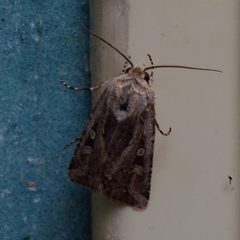
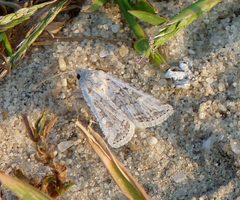
are distinguished from similar Euxoa by the rubbed or diffuse wing patterning and geographic distribution. The 'rubbed dart' reflects this diagnostic wing appearance. Larvae are identified as subterranean cutworms by their burrowing and feeding damage pattern on roots and underground stems, rather than surface cutting. Distinguished from surface-feeding cutworms by their habit of remaining below ground during the day and feeding on subterranean plant parts at night.
Images
Habitat
Sandy soils in agricultural fields, grasslands, and coastal areas. The is particularly associated with sandy soils, which facilitate larval burrowing . Found in cultivated fields, pastures, and disturbed grassy areas.
Distribution
North America from Newfoundland to North Carolina, west to Nebraska, north to Alberta and the Northwest Territories. Records from Canadian provinces: Alberta, Manitoba, Saskatchewan. U.S. records include Vermont and states throughout the eastern and central regions.
Seasonality
on wing from July to October. One per year. Larvae active in spring and early summer, feeding until . stage not explicitly documented in available sources.
Diet
Larvae feed on corn, various grasses, cranberry, saltwort, sea-rocket, and various garden crops and commercial grains. Feeding occurs on underground portions of plants, including roots and subterranean stems.
Host Associations
- Zea mays - larval food plantcorn
- Poaceae - larval food plantvarious grasses
- Vaccinium macrocarpon - larval food plantcranberry
- Salsola - larval food plantsaltwort
- Cakile - larval food plantsea-rocket
- various garden crops - larval food plantcommercial grains and vegetables
Life Cycle
One per year. emerge July–October. laid on soil or plants. Larvae hatch and construct burrows in sandy soil to feed on underground plant parts. Larval development continues through spring and early summer. occurs in soil. Specific details of egg and pupal stages not documented in available sources.
Behavior
are and attracted to light. Larvae are subterranean, constructing burrows in sandy soil to access underground plant parts. They remain below ground during daylight hours and feed at night. When disturbed, larvae curl into a defensive 'C' shape. Larval feeding is concentrated on roots and subterranean stems rather than surface vegetation.
Ecological Role
Herbivore. Larvae function as root-feeding pests in sandy soil . As a subterranean , they represent a distinct feeding guild from surface-feeding cutworms. likely serve as and prey for bats and other , though specific documentation is lacking.
Human Relevance
Significant agricultural pest, particularly in fields with sandy soils. Larvae are considered very destructive to corn, grains, and vegetable crops due to their subterranean feeding habit, which damages root systems and underground stems. Cultural controls include thorough seedbed preparation and weed management. Chemical controls are available but must be applied to penetrate soil to reach larvae.
Similar Taxa
- Euxoa auxiliaris (Army Cutworm)Similar subterranean and appearance, but E. auxiliaris is more western in distribution, has distinct seasonal behavior in , and larvae surface-feed more readily on warm winter days.
- Agrotis spp. (other cutworms)Similar larval and damage , but Agrotis typically surface-feed, cutting plants at or above soil level, whereas E. detersa larvae feed primarily on underground portions.
- Euxoa mimallonis (Ruddy-winged Dart)Similar appearance and , but distinct wing pattern and different larval ; not documented as a significant agricultural pest.
More Details
Subspecies
Two recognized: Euxoa detersa detersa (nominate) and Euxoa detersa personata (Illinois).
Agricultural Impact
The subterranean feeding habit makes this particularly damaging in sandy soils where burrowing is facilitated. Damage often appears as wilting or stunting rather than obvious cut stems, making detection more difficult than with surface-feeding cutworms.
Sources and further reading
- BugGuide
- Wikipedia
- GBIF taxonomy match
- iNaturalist taxon
- NCBI Taxonomy
- Catalogue of Life
- Aboveground Pests - AgriLife Extension Entomology
- Stem- and Leaf- Feeding Insects - AgriLife Extension Entomology
- Bug Eric: Winter 'pillars
- How Army Cutworm Moths Bounce Between Midwest Heat and Alpine Cool
- Bug Eric: My Kind of Fourth of July
- Bug Eric: July 2019