Trichofeltia
McDunnough, 1929
Species Guides
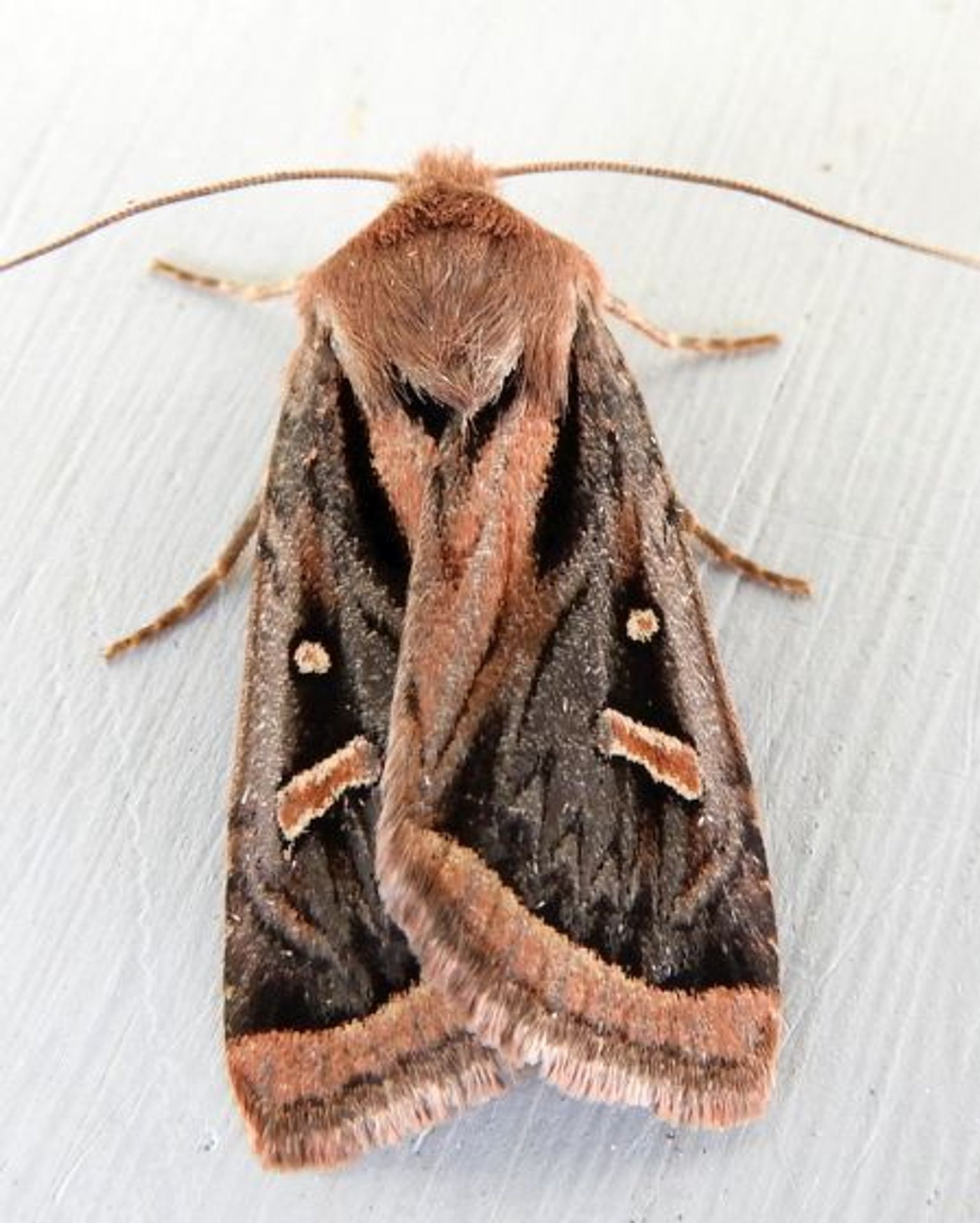
1Trichofeltia is a of owlet moths in the Noctuidae, tribe Eriopygini. It was erected by James Halliday McDunnough in 1929. The genus contains a single described , Trichofeltia circumdata, originally described by Grote in 1883. It is placed in the Noctuinae, a large and diverse group of predominantly .
Pronunciation
How to pronounce Trichofeltia: /ˌtrɪkoʊˈfɛltiə/
These audio files are automatically generated. While they are not always 100% accurate, they are a good starting point.
Identification
The Trichofeltia is distinguished within Eriopygini by features of the male genitalia, including the structure of the uncus and valvae. The single T. circumdata has a characteristic wing pattern with a pale, contrasting discal spot and diffuse transverse lines on the forewings. The is densely hairy, reflecting the genus name derived from Greek 'tricho-' (hair) and 'feltia' (a felt-like covering).
Images
Distribution
Trichofeltia circumdata has been recorded from western North America, including California and adjacent regions. The appears to be restricted to this region based on available collection records.
Similar Taxa
- Eriopygini genera (e.g., Eriopyga, Heterocampa)Other in tribe Eriopygini share the Noctuinae placement and general body plan; Trichofeltia is distinguished by the dense thoracic scaling and specific male genitalic structures, particularly the elongated, hairy uncus.
- TricholitaThe name Trichofeltia has been confused with Tricholita due to orthographic similarity; however, Tricholita belongs to tribe Hadenini and differs in forewing venation and genitalic .
More Details
Etymology
The name combines Greek 'tricho-' meaning hair or thread, with 'feltia' referring to a felt-like covering, alluding to the dense, hairy scaling on the of the type .
Taxonomic history
Trichofeltia was established by McDunnough in 1929 to accommodate Grote's Mamestra circumdata (1883), which had been variously placed in other . The genus has remained since its description.
Collection rarity
With only 14 observations in iNaturalist and limited museum records, Trichofeltia appears to be infrequently encountered in the field, possibly due to habits, specific requirements, or genuine rarity.