
Protorthodes rufula
(Grote, 1874)
rufous Quaker moth
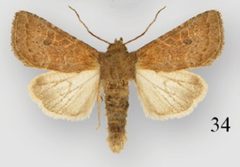
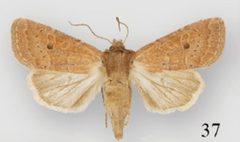
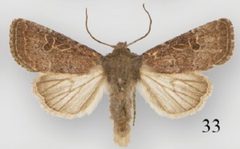
Protorthodes rufula is a small noctuid found along the Pacific Coast of western North America. The exhibits highly variable forewing coloration ranging from pale buff to deep brown, with shading present in most individuals. It has two distinct periods in northern and an extended season in southern California. The larvae develop on hardwoods in the rose .
Pronunciation
How to pronounce Protorthodes rufula: /proʊˈtɔːrθoʊˌdiːz ˈruːfjʊlə/
These audio files are automatically generated. While they are not always 100% accurate, they are a good starting point.
Identification
Distinguished from similar Protorthodes by the consistent presence of shading on forewings combined with small size. Color variation is extreme, making pattern rather than hue the more reliable identification cue. Geographical range along the Pacific Coast helps narrow possibilities within the .
Images
Appearance
Forewing length 13–16 mm. Forewing ground color highly variable: pale whitish buff, shades of red and orange, or brown. Most specimens display distinct areas or patches of shading. Hindwings and body details not specified in sources.
Habitat
Coastal and near-coastal environments of western North America, including Pacific Coast lowlands and adjacent coastal mountain ranges. Specific microhabitat preferences not documented.
Distribution
Western North America: Pacific Coast and coastal mountain ranges from northern Washington to southern California. Absent from interior regions.
Seasonality
in northern part of range: active mid-April to mid-June, then early August to late October. Southern California shows earlier onset, with records from mid-February.
Diet
Larvae feed on hardwoods in Rosaceae, specifically documented on Prunus and Malus . feeding habits unknown.
Host Associations
- Prunus - larval hardwood in Rosaceae
- Malus - larval hardwood in Rosaceae
Life Cycle
Complete with , larva, pupa, and stages. in northern range with two adult periods; shifts earlier in southern California. Specific developmental timing of stages not documented.
Behavior
activity pattern inferred from characteristics. Specific such as mating, oviposition, or larval habits not described in available sources.
Ecological Role
Larval herbivore on Rosaceae hardwoods; contributes to energy flow in coastal forest and scrub . Specific ecological functions beyond herbivory not documented.
Human Relevance
Minor potential as a pest of cultivated Prunus (stone fruits) and Malus (apples), though economic significance not reported. No other documented human interactions.
Similar Taxa
- Other Protorthodes species members share small size and Noctuinae characteristics; P. rufula distinguished by shading and Pacific coastal distribution
More Details
Taxonomic history
Originally described as Dianthoecia rufula by Grote in 1874; subsequently transferred to Protorthodes. Catalogue of Life lists as synonym under Trichopolia rufula, though GBIF and NCBI recognize Protorthodes rufula as accepted.