
Lacinipolia comis
(Grote, 1876)
cutworm moth, dart moth
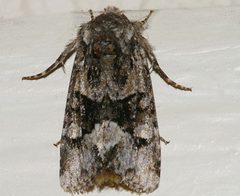
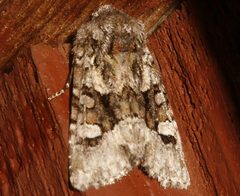
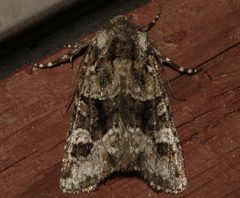
Lacinipolia comis is a of owlet moth in the Noctuidae, commonly known as a or dart moth. It was first described by Grote in 1876. The species is found in North America and is assigned MONA/Hodges number 10408. Like other members of the Lacinipolia, are and attracted to lights.
Pronunciation
How to pronounce Lacinipolia comis: //ləˌsɪnɪˈpoʊliə ˈkoʊmɪs//
These audio files are automatically generated. While they are not always 100% accurate, they are a good starting point.
Identification
within Lacinipolia are difficult to distinguish by appearance alone; dissection and examination of genitalia is typically required for definitive identification. The species may be separated from similar noctuids by a combination of wing pattern, geographic distribution, and confirmed through microscopic examination of reproductive structures. MONA/Hodges number 10408 provides a standardized reference.
Images
Appearance
are medium-sized owlet moths. Based on characteristics, forewings are typically mottled gray or brown with variable patterning; some individuals may show greenish coloration. Hindwings are usually paler. Wings possess reflective . The body is robust, typical of Noctuidae.
Habitat
Specific requirements are not well documented. Based on patterns, likely occupies open habitats including grasslands, meadows, and woodland edges where larval plants occur.
Distribution
North America. Specific range details beyond continental presence are not well documented in available sources.
Seasonality
have been observed in mid-summer (July) based on limited sampling records. Complete period is not well established.
Behavior
are and attracted to ultraviolet light sources. Specific behavioral details are not documented.
Ecological Role
Larval stage likely functions as a herbivore; may serve as prey for including bats and birds. Specific ecological impacts are not documented.
Human Relevance
Not known to be an agricultural pest. Attracted to residential blacklight setups, contributing to citizen science observations.
Similar Taxa
- Other Lacinipolia speciesExtremely similar external ; require dissection for separation
- Noctua pronuba (Large Yellow Underwing)Similar size and general appearance, but distinguished by bright yellow-orange hindwings visible in
More Details
Taxonomic History
Originally described as Mamestra comis by Grote in 1876, later transferred to Lacinipolia.
Standardized Numbering
Assigned MONA ( of North America) or Hodges number 10408, used in North American lepidopteran catalogs and databases.