
Dypterygia
Stephens, 1829
Species Guides
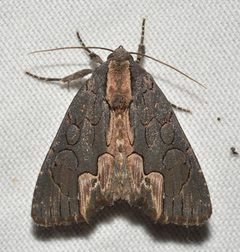
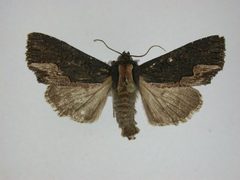
3- Dypterygia dolens
- Dypterygia patina
- Dypterygia rozmani(American Bird's-wing)
Dypterygia is a of in the Noctuidae, tribe Dypterygiini. The genus comprises approximately 16 described distributed across the Northern Hemisphere, with records from Europe, North America, and Asia. are and attracted to light; at least some species respond to fermenting mixtures. Larval stages and plant associations remain poorly documented for most species.
Pronunciation
How to pronounce Dypterygia: //dɪptəˈrɪdʒiə//
These audio files are automatically generated. While they are not always 100% accurate, they are a good starting point.
Identification
distinguished by combination of naked (without lashes), fully formed , and upturned palpi reaching above vertex of with second joint bearing long hair. minutely ciliated in males. with long furrowed crest behind collar. with tufts on segments. Tibia spineless. These characters separate Dypterygia from superficially similar noctuid , though -level identification requires examination of genitalia and wing pattern details.
Images
Habitat
include grasslands, oak thickets, pine-oak forests, and mixed conifer woodlands. At least one (D. rozmani) has been documented in pine-oak forest habitat in Colorado.
Distribution
Northern Hemisphere distribution with records from Denmark, Norway, Sweden, and eastern North America including Vermont (United States). Specific distributions vary; D. rozmani occurs in western North America (Colorado).
Seasonality
activity period varies by and latitude. D. rozmani has been documented active in July-August in Colorado.
Behavior
and attracted to artificial light sources. At least some , including D. rozmani, are attracted to fermented mixtures ('sugaring') applied to tree trunks.
Human Relevance
Documented in citizen science events such as National Week. At least one (D. rozmani) has been photographed and identified by amateur entomologists using baiting techniques.
Similar Taxa
- CatocalaBoth are noctuids attracted to light and ; distinguished by Dypterygia's upturned palpi, thoracic crest, and abdominal tufts versus Catocala's underwing pattern and different thoracic structure.
- Other Noctuinae generaDypterygiini tribe placement and combination of naked , palpi structure, and thoracic crest provide diagnostic separation from related noctuid .
Sources and further reading
- BugGuide
- Wikipedia
- GBIF taxonomy match
- iNaturalist taxon
- NCBI Taxonomy
- Catalogue of Life
- Bug Eric: National Moth Week Recap, 2015
- Genetic Structure of Blue Ling, Molva dypterygia , in the North Atlantic
- Spatial and temporal distribution of spawning aggregations of blue ling (Molva dypterygia) west and northwest of the British Isles