
Caradrina
Ochsenheimer, 1816
rustics, mottled willows
Species Guides
10- Caradrina atrostriga
- Caradrina beta(cutworm)
- Caradrina camina(cutworm moth)
- Caradrina clavipalpis(Pale Mottled Willow)
- Caradrina distinctoides
- Caradrina meralis(Rare Sand Quaker)
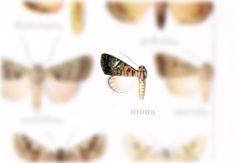
- Caradrina mona(cutworm moth)
- Caradrina montana(Civil Rustic Moth)
- Caradrina morpheus(Mottled Rustic)
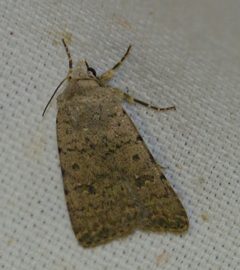
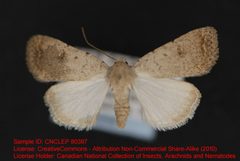
Caradrina is a of noctuid erected by Ferdinand Ochsenheimer in 1816, currently comprising approximately 189 described divided into eight subgenera. The genus includes species commonly known as rustics or mottled willows, with some subgenera (notably Paradrina and Platyperigea) treated as separate genera by certain authorities. Species within this genus exhibit in temperate regions and show varying degrees of migratory .
Pronunciation
How to pronounce Caradrina: /ˌkærəˈdraɪnə/
These audio files are automatically generated. While they are not always 100% accurate, they are a good starting point.
Identification
Distinguished from related noctuine by combination of naked , upturned palpi with evenly distributed hair on second joints, and absence of thoracic/abdominal tufts. Separation of subgenera Paradrina and Platyperigea as distinct genera remains taxonomically contentious; these forms differ in genitalic structure and wing pattern details. -level identification relies on examination of genitalia and subtle differences in forewing pattern elements, particularly the shape and intensity of stigmata.
Images
Habitat
Grasslands, gardens, agricultural fields, and open woodland edges. Some associated with cereal crop ; others occupy broader herbaceous environments. Specific habitat preferences vary considerably among species.
Distribution
Widespread across the Palaearctic region, with native ranges spanning Europe, North Africa, and Asia to Sri Lanka. Several show expanding distributions in response to climate change, with northward range extensions documented in northern Europe including the British Isles and Netherlands.
Seasonality
activity generally in temperate regions, with periods typically May–July and August–October. Exact timing varies by and latitude; southern may show extended or additional .
Diet
Larvae feed on herbaceous plants including cereal crops (Gramineae) and plantains (Plantago spp.); some are agricultural pests of stored and field grain. feed at flowers and are attracted to sugar sources.
Host Associations
- Plantago spp. - larval plantains
- Gramineae - larval cereal crops, grain in field and storage
- Cheletomorpha lepidopterum - mite found in hay bales, infests of C. clavipalpis
Life Cycle
Typically two per year in temperate regions. Larvae pupate in autumn in robust underground cocoons; emerge in spring to produce second generation. Some exhibit partial with boosts from immigrant individuals.
Behavior
, readily attracted to light traps. Some strongly attracted to sugar baits. Adults of certain species recorded in large numbers during known influx events of migrants. Historic association of C. clavipalpis with hay bales earned it the 'hay '.
Ecological Role
Herbivores; some function as agricultural pests of cereal crops in field and storage conditions. Contribute to through flower visitation.
Human Relevance
Some (notably C. clavipalpis) are recognized pests of stored grain and cereal crops. used as for insect diversity and studies through light trap monitoring. sequences available for multiple species including C. clavipalpis and C. kadenii.
Similar Taxa
- ParadrinaTreated as separate by some authors based on genitalic differences; included as subgenus of Caradrina by others
- PlatyperigeaTreated as separate by some authors based on wing pattern and genitalic characters; included as subgenus of Caradrina by others
- NoctuaSimilar general appearance but distinguished by presence of thoracic/abdominal tufts and different palpal structure
More Details
Taxonomic Controversy
The classification of subgenera Paradrina and Platyperigea remains unsettled, with different authorities treating these as distinct or subgenera within Caradrina.
Range Expansion
C. kadenii exemplifies recent northward range expansion in Europe, first recorded in Britain in 2002 and now widespread in southern England.
Genomic Resources
High-quality -level assemblies available for C. clavipalpis (474 Mb, 31 chromosomes) and C. kadenii (426 Mb, 31 chromosomes).