
Athetis tarda
Guenée, 1852
Slowpoke Moth
Athetis tarda, commonly known as the slowpoke , is a small noctuid moth native to eastern North America. It is strongly associated with oak-dominated . are active during two distinct periods in spring and late summer, while larvae feed on decomposing oak leaf litter.
Pronunciation
How to pronounce Athetis tarda: /ˈæθɪtɪs ˈtɑrdə/
These audio files are automatically generated. While they are not always 100% accurate, they are a good starting point.
Identification
Small size and muted brownish-gray coloration make it difficult to distinguish from numerous similar noctuids without close examination. Spring and late summer periods in oak woodlands help narrow identification. Genitalia examination or may be required for definitive identification from and other small brown noctuids.
Images
Appearance
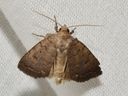
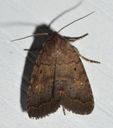
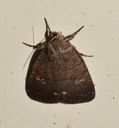
Small with wingspan of 23–35 mm. Forewings are dull brownish-gray with indistinct patterning typical of many noctuids. Hindwings are paler, usually pale gray or whitish. Overall coloration is cryptic and blends with dead leaf litter.
Habitat
Oak woodlands and forests dominated by Quercus . Associated with containing accumulations of leaf litter.
Distribution
Eastern North America: recorded from New Hampshire south to Florida, and west from Missouri to Texas. Records also include Vermont.
Seasonality
: active from late March through May, and again from late August through September.
Diet
Larvae feed on dead Quercus (oak) leaves. feeding habits not documented.
Host Associations
- Quercus - larval food sourcedead leaves only
Life Cycle
Complete . Larval stage feeds on decomposing oak leaf litter. likely occurs in soil or leaf litter. Two per year.
Behavior
. attracted to light. Larvae are , feeding on dead rather than living plant material.
Ecological Role
Contributes to decomposition and nutrient cycling in oak woodland through larval consumption of dead leaf litter. Serves as prey for .
Human Relevance
Occasionally encountered by naturalists and enthusiasts at light traps. No economic importance; larvae do not damage live vegetation.
Similar Taxa
- Other Athetis speciesSimilar small size, dull coloration, and noctuid ; require genitalia or molecular analysis for separation
- Small brown Noctuinae in generalOverlapping size range, coloration, and use; timing and habitat specificity help narrow possibilities
More Details
Etymology
The specific epithet 'tarda' (Latin for 'slow' or 'late') and the 'slowpoke ' likely refer to the delayed spring relative to some other early-season noctuids, or possibly to the sedentary habits of .