
Anorthodes
Smith, 1891
Species Guides
2- Anorthodes indigena
- Anorthodes triquetra(cutworm moth)
Anorthodes is a of in the Noctuidae, established by Smith in 1891. The genus contains two recognized : Anorthodes indigena (Barnes & Benjamin, 1925) and Anorthodes triquetra (Grote, 1883). A third species, formerly placed here as Anorthodes tarda, has been reassigned to the genus Athetis. These moths belong to the diverse owlet moth family, which includes many species with cryptic coloration.
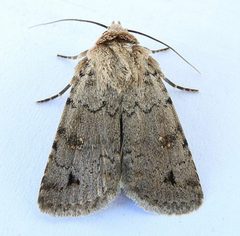
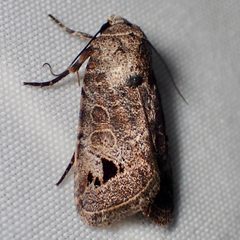
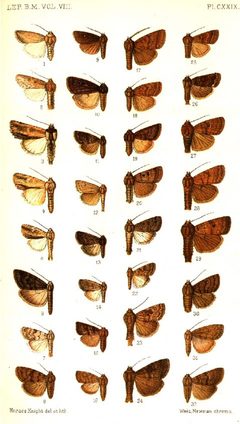
Pronunciation
How to pronounce Anorthodes: //ænɔːrˈθoʊdiːz//
These audio files are automatically generated. While they are not always 100% accurate, they are a good starting point.
Identification
Anorthodes can be distinguished from related noctuids by genitalic characters; dissection of male and female genitalia is typically required for definitive identification to species. The is characterized by specific structural features of the male genitalia that separate it from superficially similar genera such as Athetis. External alone is generally insufficient for reliable identification.
Images
Distribution
North America; records exist for the United States and southern Canada based on museum specimens and collection data.
Behavior
are , as is typical for Noctuidae.
Similar Taxa
- AthetisFormerly included Anorthodes tarda, which was transferred to Athetis based on genitalic ; superficially similar external appearance may cause confusion without dissection.
- Other Noctuidae generaMany small to medium-sized brown noctuids share general appearance; Anorthodes requires genitalic examination for reliable separation from related .
More Details
Taxonomic history
The was established by Smith in 1891. The transfer of Anorthodes tarda to Athetis tarda reflects ongoing refinement of noctuid classification based on phylogenetic and morphological studies.
Research needs
Basic of both recognized remains poorly documented. Larval plants, stages, and detailed information have not been published.