
Anorthodes triquetra
(Grote, 1883)
cutworm moth, dart moth
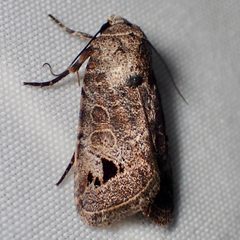
Anorthodes triquetra is a of noctuid , commonly referred to as a or dart moth. It was originally described as Pyrophila triquetra by Grote in 1883 and later transferred to the Anorthodes. The species is known from North America and has been assigned Hodges number 9651 in the North American moth numbering system.
Pronunciation
How to pronounce Anorthodes triquetra: /ænˈɔːr.θoʊ.diːz traɪˈkwɛ.trə/
These audio files are automatically generated. While they are not always 100% accurate, they are a good starting point.
Identification
Anorthodes triquetra can be distinguished from other Anorthodes by its triangular (triquetra) wing shape and pattern characteristics. The Anorthodes is a small North American noctuid group, and species within it are generally recognized by their distinctive wing geometry and maculation. Confirmation of identification typically requires examination of genitalia or comparison with reference specimens.
Images
Distribution
North America. Specific state or provincial records are not well documented in available sources, but the occurs across the continent within the range of the .
Behavior
are and attracted to light. Larval is unknown but cutworm moths in Noctuidae generally have ground-dwelling larvae that may feed on herbaceous vegetation.
Similar Taxa
- Other Anorthodes speciesThe Anorthodes contains multiple that share similar wing shapes and noctuid characteristics; precise identification requires detailed examination.
- General Noctuidae cutworm mothsMany noctuid share the 'cutworm moth' and have similar overall appearance; Anorthodes triquetra is distinguished by its specific wing shape and pattern.
More Details
Taxonomic history
Originally described as Pyrophila triquetra by Augustus Radcliffe Grote in 1883, this was later transferred to the Anorthodes. The basionym Pyrophila triquetra is now considered a synonym.
Hodges number
This is cataloged as number 9651 in the MONA ( of North America) or Hodges numbering system, a standardized reference for North American Lepidoptera.
Observation data
As of available records, the has been documented in 78 observations on iNaturalist, indicating it is encountered with moderate frequency by naturalists but is not among the most commonly reported noctuids.