
Papaipema maritima
Bird, 1909
maritime sunflower borer moth, giant sunflower borer moth
Papaipema maritima is a noctuid native to North America, first described by Henry Bird in 1909. The larvae are specialized stem borers that tunnel into the stems of giant sunflower (Helianthus giganteus), creating distinctive stem galls. The species has experienced significant decline and is classified as a species of special concern in Connecticut, where it is believed to be extirpated. Its specialized relationship and loss contribute to its vulnerable conservation status.
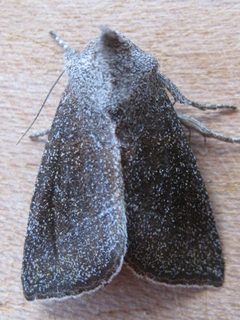
Pronunciation
How to pronounce Papaipema maritima: //ˌpæpaɪˈpiːmə ˌmærɪˈtaɪmə//
These audio files are automatically generated. While they are not always 100% accurate, they are a good starting point.
Identification
Larvae can be identified by their presence within stem galls on Helianthus giganteus; the galls themselves appear as swollen, irregular growths on sunflower stems. are and poorly documented in available sources; specific diagnostic features for distinguishing adults from other Papaipema are not clearly established in the provided material.
Images
Habitat
Associated with stands of Helianthus giganteus (giant sunflower), which serves as the exclusive larval . The specific requirements for the stage are not documented in available sources.
Distribution
North America; recorded from Alberta, Canada and the northeastern United States. The is believed extirpated from Connecticut.
Diet
Larvae feed internally on the stem tissues of Helianthus giganteus. feeding habits are not documented.
Host Associations
- Helianthus giganteus - larval Larvae bore into stems, forming stem galls
Life Cycle
Larvae develop within stem galls on Helianthus giganteus. Specific details regarding deposition, site, number of per year, and stage are not documented in available sources.
Behavior
Larvae exhibit stem-boring , tunneling into sunflower stems and inducing gall formation. behavior patterns are not documented.
Human Relevance
Conservation concern due to apparent decline and extirpation from parts of its range. No documented economic importance or pest status.
Similar Taxa
More Details
Conservation Status
Listed as a of special concern in Connecticut, where it is believed extirpated. The specialized relationship with Helianthus giganteus and loss likely contribute to vulnerability.
Sources and further reading
- BugGuide
- Wikipedia
- GBIF taxonomy match
- iNaturalist taxon
- Catalogue of Life
- One Bad Beetle | Beetles In The Bush
- More Than Wheat to Eat: New Zealand's Wheat Bug Has a Taste for Brassicas, Too
- St. Anthony Dune Tiger Beetle | Beetles In The Bush
- Bruneau Sand Dune tiger beetles caught in the act! | Beetles In The Bush