
Oligia divesta
(Grote, 1874)
cutworm moth, dart moth
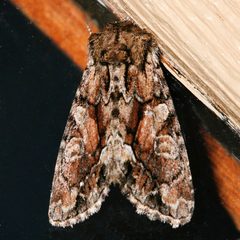
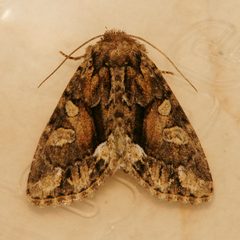
Oligia divesta is a of or dart moth in the Noctuidae, first described by Augustus Radcliffe Grote in 1874. It is a medium-sized noctuid native to North America. The species is recognized by the Hodges number 9559 in North American moth classification systems. Based on iNaturalist records, it has been documented in at least 233 observations, suggesting it is moderately well-recorded across its range.
Pronunciation
How to pronounce Oligia divesta: /ˈɑ.lɪ.dʒi.ə dɪˈvɛ.stə/
These audio files are automatically generated. While they are not always 100% accurate, they are a good starting point.
Identification
Oligia divesta belongs to a of small to medium-sized noctuid that often exhibit muted brown, gray, or ochre coloration with intricate forewing patterns. in the genus Oligia frequently show distinct and spots on the forewings, often with contrasting dark shading. Accurate identification to species level within Oligia typically requires examination of genitalia or detailed wing pattern analysis, as many are superficially similar. The specific epithet "divesta" (Latin for "stripped bare" or "destitute") may allude to reduced or faint markings compared to related species, though this interpretation requires verification.
Images
Distribution
North America. Specific range details within this broad region are not documented in available sources.
Similar Taxa
- Oligia modica with overlapping North American distribution; superficially similar wing patterns require careful examination to distinguish
- Oligia latrunculaAnother North American Oligia with comparable size and coloration, often confused without detailed morphological analysis
- Oligia strigilisEuropean that shares -level characteristics; relevant for identification context in introduced ranges or comparative studies