
Schinia cupes
(Grote, 1875)
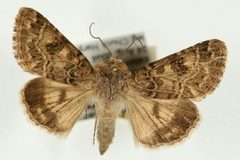
Schinia cupes is a small noctuid in the Heliothinae, described by Grote in 1875. The is characterized by a wingspan of approximately 30 mm. It exhibits periods, with active in spring and again in late summer. The larvae are specialized feeders on specific plants in the southwestern United States.
Pronunciation
How to pronounce Schinia cupes: //ˈskɪniə ˈkuːpiːz//
These audio files are automatically generated. While they are not always 100% accurate, they are a good starting point.
Identification
Distinguished from other Schinia by geographic distribution in the south-central Great Plains and confirmed plant associations. Specific diagnostic morphological features are not detailed in available literature. are small noctuids with approximately 30 mm wingspan. pattern (March-June and late July-September) may aid in identification where data are available.
Images
Appearance
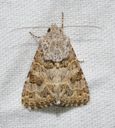
Wingspan approximately 30 mm. Specific wing coloration and pattern details are not documented in available sources.
Habitat
Arid and semi-arid environments in the south-central United States. Associated with supporting its larval plants Camissonia claviformis and Castilleja exserta, which occur in dry plains and desert scrub .
Distribution
South-central United States: Texas, New Mexico, Kansas, and Colorado. Western Oklahoma may also support based on collector activity in the region.
Seasonality
. Primary period March through June. Second, smaller flies from late July through September.
Diet
Larvae feed on Camissonia claviformis (brown-eyed primrose, Onagraceae) and Castilleja exserta (purple owl's-clover, family Orobanchaceae). feeding habits are not documented.
Host Associations
- Camissonia claviformis - larval plantbrown-eyed primrose, Onagraceae
- Castilleja exserta - larval plantpurple owl's-clover, Orobanchaceae
Life Cycle
with two per year. Larval development occurs on specific plants. and details are not documented.
Ecological Role
Larval herbivore on specific forb in arid grassland and desert scrub . Potential as , though this has not been documented. Member of the diverse Schinia fauna associated with native prairie and desert flora.
Human Relevance
Collected by lepidopterists; Schinia is popular among enthusiasts. No documented economic or agricultural significance. Not known to be a pest .
Similar Taxa
- Other Schinia speciesNumerous congeneric in North America require careful examination for accurate identification; many share similar size and general
More Details
Taxonomic Note
Originally described as Heliothis cupes by Grote in 1875, later transferred to Schinia. The is part of the Schinia cupes , which has been subject to taxonomic revision.
Collector Interest
The Schinia is highly sought after by lepidopterists due to the often colorful and patterned and specialized plant relationships. A collector with a 'Schinia' license plate was encountered at Black Mesa State Park, Oklahoma in 2013, indicating dedicated search effort for this genus in the region.
Sources and further reading
- BugGuide
- Wikipedia
- GBIF taxonomy match
- iNaturalist taxon
- NCBI Taxonomy
- Catalogue of Life
- Bug Eric: Wasp Wednesday: Not Wasp VIII
- Catch a Glimpse of Caterpillars During National Moth Week
- Bug Eric: White Prairie Clover: An Awesome Blossom
- Bug Eric: Remembering National Moth Week 2018
- Bug Eric: October 2018
- 2013 Oklahoma Collecting Trip iReport | Beetles In The Bush