
Protodeltote muscosula
Guenée, 1852
Large Mossy Glyph, Large Mossy Lithacodia
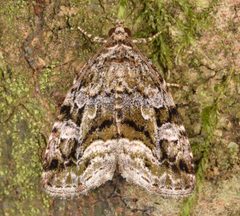
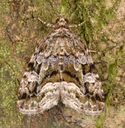
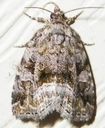
Protodeltote muscosula is a noctuid found in North America. It was first described by Achille Guenée in 1852 and is commonly known as the Large Mossy Glyph or Large Mossy Lithacodia. The species belongs to the Eustrotiinae within the owlet moth Noctuidae. It has been documented extensively through citizen science observations.
Pronunciation
How to pronounce Protodeltote muscosula: //ˌproʊtoʊˈdɛltoʊteɪ mʌsˈkoʊsjuːlə//
These audio files are automatically generated. While they are not always 100% accurate, they are a good starting point.
Identification
The is associated with the "Large Mossy," suggesting cryptic, moss-like coloration. The Hodges number 9047 provides a standardized reference for North American identification. Specific diagnostic features distinguishing it from in the Protodeltote are not documented in available sources.
Images
Distribution
North America. Specific distribution records include Vermont, United States.
More Details
Taxonomic History
Originally described as Erastria muscosula by Guenée in 1852, later transferred to the Protodeltote. The basionym Erastria muscosula reflects this taxonomic reassignment.
Nomenclature
The has two widely used : "Large Mossy Glyph" (preferred on iNaturalist) and "Large Mossy Lithacodia" (traditional name). The Hodges number 9047 is used in North American classification systems.