
Eustrotiinae
Genus Guides
12- Amiana
- Argillophora
- Capis
- Deltote
- Eustrotiini(Eustrotiini moths)
- Lithacodia
- Maliattha
- Marimatha(Lemon Moths)
- N-genus
Eustrotiinae is a of within the Noctuidae, one of the largest families of Lepidoptera. The subfamily comprises numerous small to medium-sized moth distributed across diverse . Taxonomic boundaries of Eustrotiinae have undergone revision, with some authorities previously treating constituent groups as part of other noctuid subfamilies. The group is primarily defined by genitalic and larval characteristics rather than conspicuous external .
Pronunciation
How to pronounce Eustrotiinae: //juːˌstrəʊtiˈaɪni//
These audio files are automatically generated. While they are not always 100% accurate, they are a good starting point.
Identification
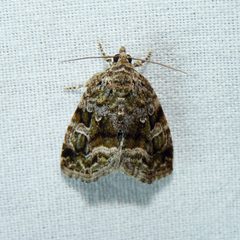
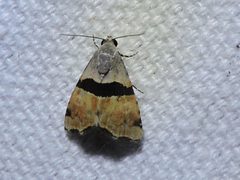
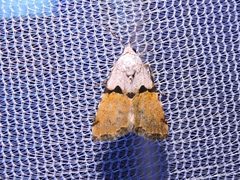
Eustrotiinae generally lack distinctive external features that would allow reliable field identification to level. Diagnostic characters require examination of genitalia structures, particularly in males. Larvae often exhibit reduced or modified structures compared to other noctuid groups. typically show the stout-bodied, dull coloration common to many Noctuidae, without the specialized wing patterns that characterize some related subfamilies.
Images
Distribution
assigned to Eustrotiinae occur across multiple continents including North America, Central and South America, Africa, Asia, and Australia. Distribution patterns reflect the broad geographic range of Noctuidae rather than specific constraints of this .
Similar Taxa
- NoctuinaeSimilar in general appearance and often confused in field settings; distinguished by genitalic and larval structure
- HadeninaeOverlaps in size and coloration; separation requires examination of internal morphological characters
- AmphipyrinaeHistorically intermixed with Eustrotiinae in taxonomic treatments; modern classification relies on molecular and detailed morphological analysis
More Details
Taxonomic instability
The composition of Eustrotiinae has varied considerably across taxonomic revisions. Some have been transferred into or out of this based on phylogenetic studies, reflecting ongoing uncertainty in noctuid classification.
Research status
Despite substantial observation records (over 80,000 on iNaturalist), published biological and ecological information specific to Eustrotiinae as a remains limited in the accessible literature.