
Stibaera
Walker, 1857
Species Guides
2- Stibaera curvilineata
- Stibaera thyatiroides(whaleback moth)
Stibaera is a of in the Noctuidae, established by Francis Walker in 1857. The genus belongs to the Condicinae and contains at least eight described distributed across the Neotropical region. Species within this genus exhibit variation in wing pattern and size, with some showing distinctive line patterns on the forewings.
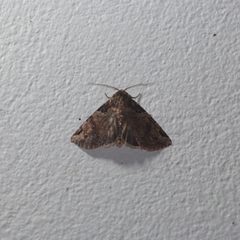
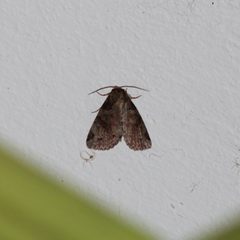
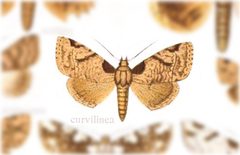
Pronunciation
How to pronounce Stibaera: //staɪˈbiːrə//
These audio files are automatically generated. While they are not always 100% accurate, they are a good starting point.
Identification
Members of Stibaera can be distinguished from related noctuid by genitalic characters, particularly in the male valvae and female ostium. Forewing patterns often feature distinct transverse lines, with some showing a characteristic curved or dentate postmedial line. The genus includes both medium-sized and relatively small species compared to other Condicinae.
Images
Distribution
Neotropical region, with records from Central America and northern South America. Specific countries with documented occurrences include Rica, Panama, Colombia, Ecuador, Peru, and Brazil.
Similar Taxa
- CondicaBoth belong to Condicinae and share general forewing pattern elements; Stibaera often differ in more pronounced wing line curvature and genitalic structure.
- PerigeaSimilar ground coloration and habits; Stibaera typically lacks the more uniform, unmarked wing areas seen in some Perigea .
More Details
Taxonomic History
The was erected by Francis Walker in 1857 with Stibaera costiplaga as the type . Several species were later transferred from other genera, including Stibaera hersilia (formerly in Diphthera) and Stibaera myrina (formerly in Diphthera).