
Diphthera
Hübner, 1809
Species Guides
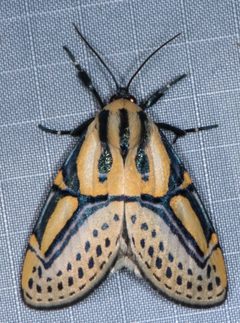
1- Diphthera festiva(Hieroglyphic Moth)
Diphthera is a of established by Hübner in 1809. The genus was reclassified from Noctuidae to Nolidae in 2013 based on phylogenetic analysis by Zahiri et al. (2013). in this genus are primarily Neotropical in distribution. The genus contains multiple described species, though taxonomic revision continues.
Pronunciation
How to pronounce Diphthera: /ˈdɪfθərə/
These audio files are automatically generated. While they are not always 100% accurate, they are a good starting point.
Identification
Images
Habitat
in this are found in tropical and subtropical forest . Many occur in lowland to mid-elevation rainforest environments.
Distribution
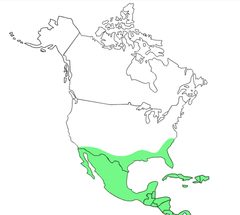
Neotropical region, including Central America and South America.
Similar Taxa
- Noctuidae (former placement)Previously classified in this , but distinguished by molecular and genitalic supporting placement in Nolidae.
- Other Nolidae generaRequires genitalic examination and molecular data for definitive separation; external often similar.
More Details
Taxonomic History
The was moved from Noctuidae to Nolidae in 2013 following the phylogenetic analysis of Zahiri et al. (2013), which clarified relationships within Noctuoidea. Some sources (e.g., NCBI) may still list Erebidae due to differing classification schemes that subsume Nolidae within Erebidae.
Observations
The has over 5,800 observations on iNaturalist, indicating moderate documentation of its in the field.