
Psaphida electilis
Morrison, 1875
Chosen Sallow
Psaphida electilis, the chosen sallow, is a of owlet moth in the Noctuidae. It was first described by Herbert Knowles Morrison in 1875. The species is , with active in early spring. Larvae are feeders on hickory and walnut species.
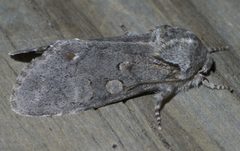
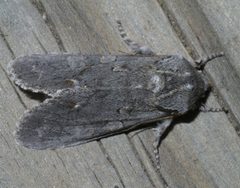
Pronunciation
How to pronounce Psaphida electilis: /psəˈfaɪdə ɛˈlɛktɪlɪs/
These audio files are automatically generated. While they are not always 100% accurate, they are a good starting point.
Identification
fly in April and May, distinguishing them from later-season noctuids. The Psaphida can be separated from similar early spring noctuids by genitalic examination; superficially, they resemble other sallow but are associated with Carya and Juglans rather than oaks (as in Psaphida rolandi).
Images
Appearance
have a wingspan of approximately 35 mm. As a member of the Psaphida, adults likely exhibit the characteristic sallow with relatively broad, rounded forewings and muted coloration typical of early spring-emerging noctuids.
Habitat
Associated with deciduous forests and woodlands containing hickory and walnut trees. Larval is the foliage of plants.
Distribution
Eastern North America, from Quebec and Ontario south to Florida, west to Texas and Wisconsin.
Seasonality
are on wing from April to May. One per year.
Diet
Larvae feed on Carya (hickory) and Juglans (walnut) . feeding habits are not documented.
Host Associations
- Carya - larval food planthickory
- Juglans - larval food plantwalnut
Life Cycle
with one per year. emerge in spring. Larvae feed on plant foliage. stage is not explicitly documented in available sources.
Behavior
are attracted to artificial light sources. Like other noctuids, they are .
Ecological Role
Larvae function as folivores on hickory and walnut, contributing to nutrient cycling in deciduous forest . Their role as prey for is likely but not documented.
Human Relevance
No significant economic or medical importance documented. Occasionally encountered by enthusiasts during early spring blacklighting sessions.
Similar Taxa
- Psaphida rolandiAnother early spring Psaphida , but associated with oak (Quercus) rather than hickory and walnut; ranges overlap extensively
More Details
Nomenclature
Originally described as Dicopis electilis by Morrison in 1875; later transferred to Psaphida.