
Feralia comstocki
Grote, 1874
Comstock's Sallow
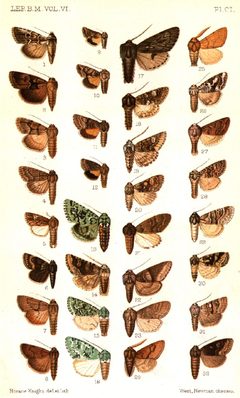
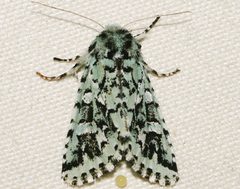
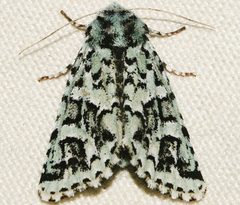
Feralia comstocki, commonly known as Comstock's Sallow, is a noctuid found across northern and western North America. The was first described by Augustus Radcliffe Grote in 1874. fly in spring, with larvae feeding on pine species. One , F. c. columbiana, is recognized.
Pronunciation
How to pronounce Feralia comstocki: //fəˈreɪliə kəmˈstɒki//
These audio files are automatically generated. While they are not always 100% accurate, they are a good starting point.
Identification
Distinguished from similar Feralia by geographic range and seasonal timing. The spring period (April–June) and association with Pinus plants may aid identification where sympatric with related species. F. c. columbiana occurs in the Pacific Northwest.
Images
Appearance
Wingspan 33–35 mm. exhibit the typical noctuid body plan with scaled wings and a robust . Specific coloration and pattern details are not documented in available sources.
Habitat
Found in and mixed forest environments, particularly areas with Pinus . In Alberta, collections span from Lake Athabasca and Zama areas south to Pigeon Lake, suggesting association with northern and montane forest .
Distribution
North America: southern Appalachians north to Maritime provinces, west across southern forest to Vancouver Island, south to Oregon. Canadian records include Alberta, Manitoba, and Saskatchewan; U.S. records include Vermont.
Seasonality
fly from April to June, with timing varying by location. This spring pattern is consistent across the range.
Diet
Larvae feed on Pinus .
Host Associations
- Pinus - larval plant-level association; specific pine not documented
Life Cycle
Complete with larval stage feeding on pine foliage. Specific details of and stage are not documented.
Ecological Role
Larval herbivore on coniferous trees; specific ecological impacts are not documented.
Similar Taxa
- Other Feralia speciesSame ; may overlap in range and require careful examination for distinction
More Details
Subspecies
Feralia comstocki columbiana is recognized as a , presumably differing in geographic distribution and possibly .