
Thurberiphaga
Dyar, 1920
Species Guides
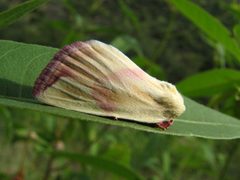
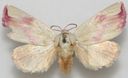
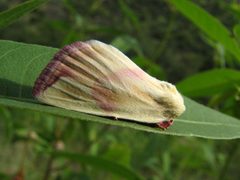
1Thurberiphaga is a in the Noctuidae, containing a single , Thurberiphaga diffusa. The genus is to southern Arizona and is tightly associated with its sole plant, wild cotton (Gossypium thurberi). The caterpillar is a stem-borer with distinctive pinkish coloration and rough setae. are active during the summer monsoon season.
Pronunciation
How to pronounce Thurberiphaga: /ˌθɜːrbəˈraɪfəɡə/
These audio files are automatically generated. While they are not always 100% accurate, they are a good starting point.
Identification
The is recognized by its association with Gossypium thurberi in southern Arizona; the caterpillar's pinkish body with rough setae and stem-boring are diagnostic. of T. diffusa can be distinguished from other noctuids in the region by their restricted range and period coinciding with July–September.
Images
Habitat
Arid and semi-arid regions of southern Arizona where wild cotton (Gossypium thurberi) grows; associated with riparian and wash supporting this plant.
Distribution
Southern Arizona, United States. The and its sole are to this limited geographic range.
Seasonality
on wing from July to September.
Diet
Caterpillars feed exclusively on wild cotton (Gossypium thurberi), boring into stems.
Host Associations
- Gossypium thurberi - obligate sole known plant; caterpillars bore into stems
Life Cycle
and pupa stages undescribed in sources. Caterpillar bores into stem of plant; pinkish with rough setae. July–September.
Behavior
Caterpillars exhibit stem-boring on the plant.
Ecological Role
Specialized herbivore of wild cotton; likely plays a minor role in regulating plant in its limited range.
Human Relevance
No direct economic or agricultural significance; potential minor interest for conservation of native cotton relatives and specialized insect–plant associations.
Similar Taxa
- Other Acontiinae generaMay share general noctuid but differ in plant specificity (none are restricted to Gossypium thurberi) and geographic restriction to southern Arizona.
More Details
Taxonomic history
Erected by Harrison Gray Dyar Jr. in 1920; the sole was originally described by William Barnes in 1904.
Observation record
iNaturalist records 193 observations, indicating moderate detection effort for this geographically restricted .