
Thurberiphaga diffusa
(Barnes, 1904)
Thurberiphaga diffusa is the sole in the Thurberiphaga, placed in the Noctuidae ( Acontiinae, tribe Chamaecleini). The genus was erected by Harrison Gray Dyar Jr. in 1920, with the species originally described by William Barnes in 1904. This noctuid moth is known from North America, though specific details about its and associations remain poorly documented in available literature.
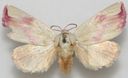
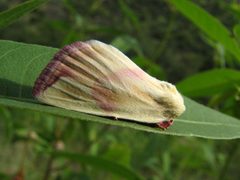
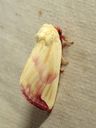
Pronunciation
How to pronounce Thurberiphaga diffusa: /θɜːrbərɪˈfeɪɡə dɪˈfjuːsə/
These audio files are automatically generated. While they are not always 100% accurate, they are a good starting point.
Images
Distribution
North America (present according to GBIF records). Specific range details within North America are not well-documented in available sources.
Host Associations
- Thurberia thespesioides - probable plantThe name Thurberiphaga suggests an association with Thurberia (wild cotton, Malvaceae), though this has not been explicitly confirmed in the provided sources. The suffix '-phaga' (meaning 'eating') implies larval feeding on this plant genus.
Similar Taxa
- Other AcontiinaeMembers of the Acontiinae share general noctuid and habits, though Thurberiphaga is distinguished by its status and probable specialization.
- Other Noctuidae with plant-associated generic namesSeveral noctuid are named for their plants (e.g., Heliothis, Heliothis-like genera), but Thurberiphaga is unique in its specific association with Thurberia as implied by its name.
More Details
Taxonomic history
The Thurberiphaga was established by Harrison Gray Dyar Jr. in 1920 to accommodate this single , which Barnes had described 16 years earlier as diffusa. The genus has remained for over a century.
Etymology
The name combines 'Thurberia' (the wild cotton genus) with the Greek-derived suffix '-phaga' (eating), strongly suggesting larval feeding on Thurberia thespesioides or related in that genus.