Tarache tetragona
(Walker, 1858)
Four-spotted Bird-dropping Moth, four-spotted bird dropping moth
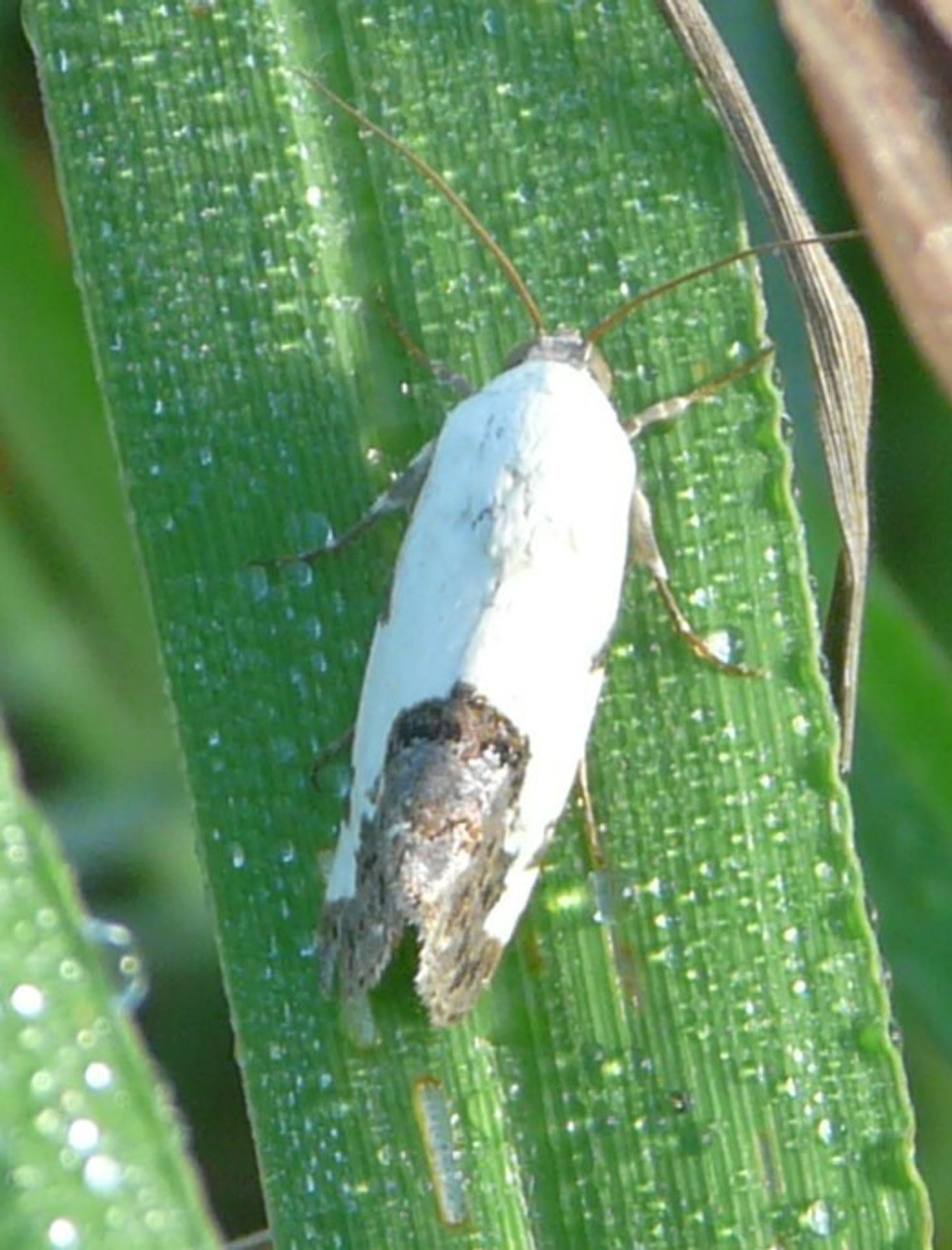
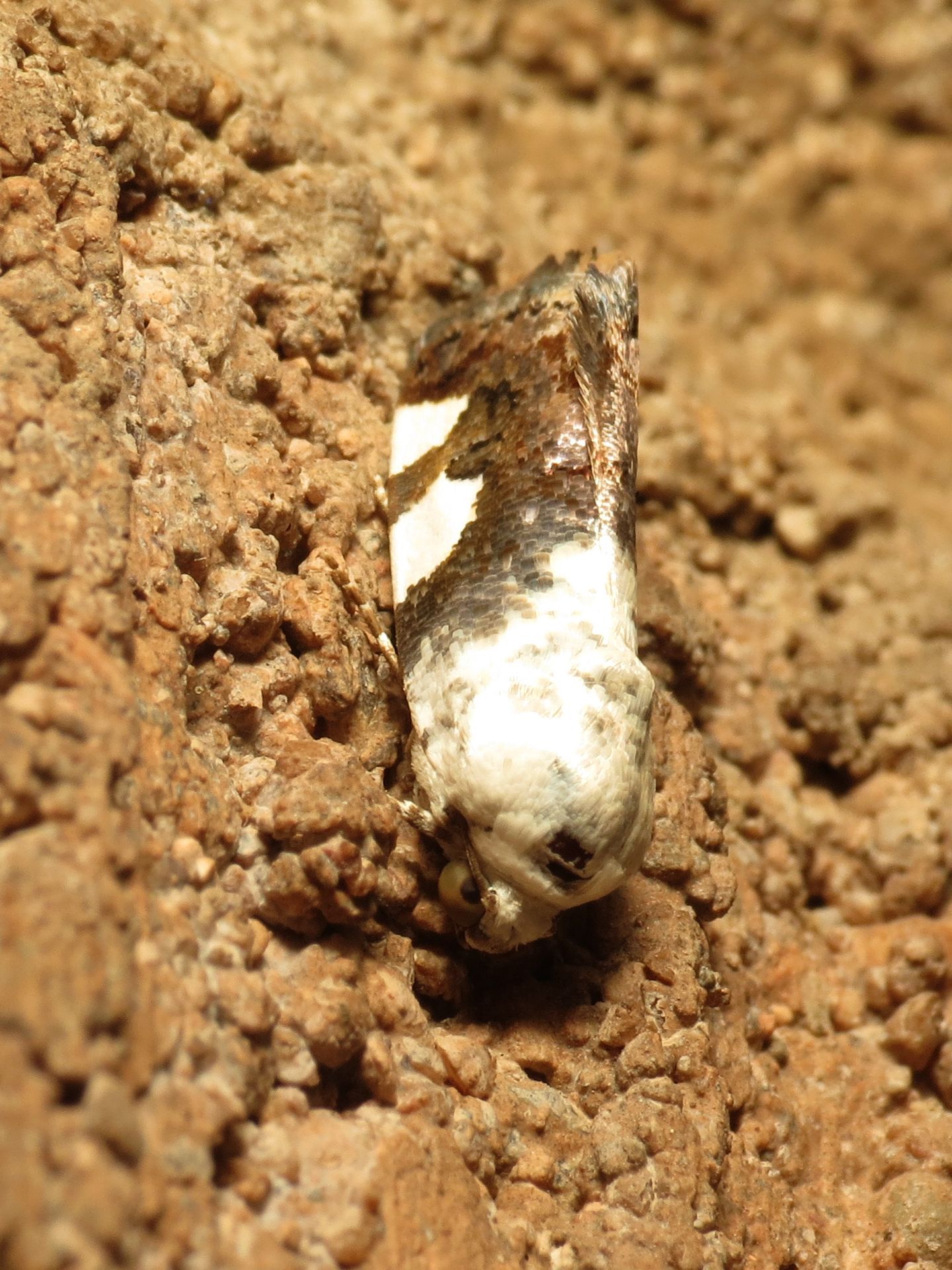
Tarache tetragona is a small noctuid commonly known as the four-spotted bird-dropping moth due to its resemblance to avian droppings. The belongs to the Acontiinae and exhibits the typical bird-dropping mimicry common in this group. are and attracted to light. The species has been documented feeding on Malvaceae plants during its larval stage.
Pronunciation
How to pronounce Tarache tetragona: /ˈtæɹəˌki tɛˈtɹæɡənə/
These audio files are automatically generated. While they are not always 100% accurate, they are a good starting point.
Identification
The combination of small size (20 mm wingspan), four distinct dark spots on the forewings, and bird-dropping mimicry pattern distinguishes this from similar Tarache species. Tarache areloides, another bird-dropping mimic, differs in spot pattern and distribution overlap in some areas. The specific epithet 'tetragona' refers to the four-spotted pattern. Dissection of genitalia may be required for definitive identification of some specimens.
Images
Appearance
have a wingspan of approximately 20 mm. The forewings display a pattern of four distinct dark spots against a lighter background, creating the characteristic bird-dropping appearance. Coloration is mottled gray, white, and black, with irregular markings that enhance the fecal mimicry. The overall wing shape is somewhat triangular with rounded margins. Hindwings are typically paler and less patterned than forewings.
Habitat
Associated with supporting its larval plants in the Malvaceae. In the northern part of its range, occurs in subtropical and tropical zones; further south occupies tropical lowland and premontane habitats. Specific microhabitat preferences for are poorly documented but likely include areas near host plant stands.
Distribution
Southern Florida south through the Caribbean islands; eastern Texas south through Mexico and most of Central America to Rica. The is absent from temperate North America north of the Gulf Coast region.
Diet
Larvae feed on Malvaviscus arboreus (wax mallow) and Herssantia crispa (false mallow), both members of the Malvaceae . feeding habits are unconfirmed but likely include nectar from various flowers or may be non-feeding.
Host Associations
- Malvaviscus arboreus - larval food plantwax mallow
- Herssantia crispa - larval food plantfalse mallow
Life Cycle
Complete with , larva, pupa, and stages. Larvae are presumably solitary foliage feeders on plants. Specific details of site and number of per year are not documented.
Behavior
are and attracted to artificial light sources. The bird-dropping mimicry pattern suggests a defensive strategy of while at rest during daylight hours. Specific behavioral details regarding mate location and courtship are not documented.
Ecological Role
Larval herbivore on Malvaceae; specific ecological impacts or interactions with other are not documented. The bird-dropping mimicry suggests pressure from visual such as birds.
Human Relevance
Not known to be of economic importance. Occasionally encountered by entomologists and naturalists during light-trapping surveys. The is not considered a pest of cultivated plants.
Similar Taxa
- Tarache areloidesAlso a bird-dropping mimic in the same ; differs in spot pattern and some aspects of distribution
- Other Acontiinae speciesMany members of this exhibit similar bird-dropping mimicry and small size, requiring careful examination of wing pattern details
More Details
Taxonomic note
The Tarache has undergone taxonomic revision, with some authorities placing formerly in Acontia into Tarache. The basionym Acontia tetragona reflects this historical placement.
Etymology
The specific epithet 'tetragona' is derived from Greek, meaning 'four-angled' or 'four-cornered', referring to the four-spotted wing pattern.