
Rivula propinqualis
Guenée, 1854
Spotted Grass Moth, Yellow Snout-moth
Pronunciation
How to pronounce Rivula propinqualis: /rɪˈvjuːlə prɒˈpɪŋkwəlɪs/
These audio files are automatically generated. While they are not always 100% accurate, they are a good starting point.
Identification
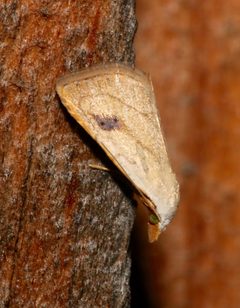
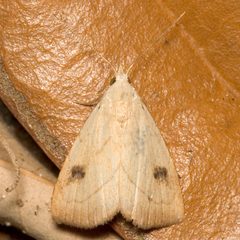
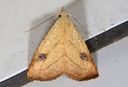
Distinguished from similar small erebid by the combination of small size, yellowish ground color with spotted wings, and the prominent snout formed by the labial palps. The spotted can be separated from other Rivula by its specific wing pattern and geographic range.
Images
Appearance
Small with a wingspan of 15–19 mm. have a yellowish coloration with spotted wing patterns. The 'Yellow Snout-moth' refers to the pale, projecting labial palps that form a snout-like structure.
Habitat
Grassland including meadows, fields, and grassy areas. In North Carolina, it occurs from the Appalachian Mountains to the Atlantic coast, indicating for varied elevations and moisture regimes.
Distribution
Eastern North America from southern Canada (including Alberta, Manitoba, Saskatchewan) southward to Florida and Texas. Western extent in northern part of range reaches British Columbia and Washington.
Seasonality
are active from May to August.
Diet
Larvae feed on various grasses.
Host Associations
- various grasses - larval food plantspecific grass not documented in available sources
Ecological Role
Herbivore in grassland ; larvae consume grasses, contributing to nutrient cycling in meadow and field .
Similar Taxa
- Other Rivula speciesSimilar small size and snout-like palps; distinguished by wing pattern and geographic distribution
- Other small Erebidae in grassland habitatsSimilar use and size; distinguished by yellowish coloration and spotted wing pattern