
Dasychira plagiata
(Walker, 1865)
Northern Pine Tussock, Northern Conifer Tussock, Northern Pine Tussock Moth
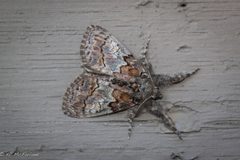
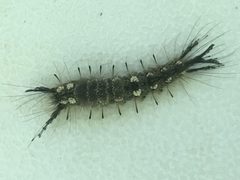
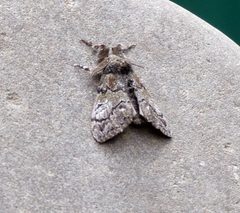
Pronunciation
How to pronounce Dasychira plagiata: //ˌdæsɪˈkaɪrə pləˈdʒaɪətə//
These audio files are automatically generated. While they are not always 100% accurate, they are a good starting point.
Identification
The can be distinguished from similar Dasychira species by its geographic distribution and plant associations. Definitive identification requires examination of genitalia or reference to regional keys. The 'northern pine tussock' distinguishes it from the more southerly distributed Dasychira meridionalis (southern tussock moth).
Images
Habitat
Coniferous forests, particularly those dominated by spruce, fir, hemlock, pine, and larch . Associated with and northern temperate forest .
Distribution
North America: Newfoundland and Labrador west to Alberta, south to Massachusetts, New York, and North Carolina. Records from Manitoba and Vermont confirm presence in central and northeastern regions.
Seasonality
on wing from June to August, with timing varying by location. Single per year inferred from period.
Diet
Larvae feed on coniferous trees: Picea glauca (white spruce), Picea mariana (black spruce), Picea rubens (red spruce), Abies balsamea (balsam fir), Abies fraseri (Fraser fir), Tsuga canadensis (eastern hemlock), and of Pinus and Larix.
Host Associations
- Picea glauca - larval food plantwhite spruce
- Picea mariana - larval food plantblack spruce
- Picea rubens - larval food plantred spruce
- Abies balsamea - larval food plantbalsam fir
- Abies fraseri - larval food plantFraser fir
- Tsuga canadensis - larval food planteastern hemlock
- Pinus - larval food plantpine
- Larix - larval food plantlarch
Life Cycle
Complete with , larval, pupal, and stages. Larvae are tussock caterpillars, presumably with characteristic hair tufts typical of the group. likely occurs in cocoons; adults emerge in summer.
Ecological Role
Larval herbivore on coniferous trees. and ecological impacts have not been extensively documented; not known as a major .
Human Relevance
Minor forest pest potential given coniferous range, though not documented as causing significant economic damage. May be encountered by foresters and naturalists in northern coniferous forests.
Similar Taxa
- Dasychira meridionalisSimilar (southern tussock moth) but occurs in more southern range; separation requires morphological examination
- Orgyia speciesOther tussock moths in same tribe Orgyiini; distinguished by wing pattern and male structure
More Details
Taxonomic note
Originally described as Edema plagiata by Walker in 1865; later transferred to Dasychira. Basionym Edema plagiata Walker, 1865.
Collection records
972 observations recorded on iNaturalist as of source date, indicating moderate documentation of occurrence.