Dasychira atrivenosa
(Palm, 1873)
diminutive tussock moth
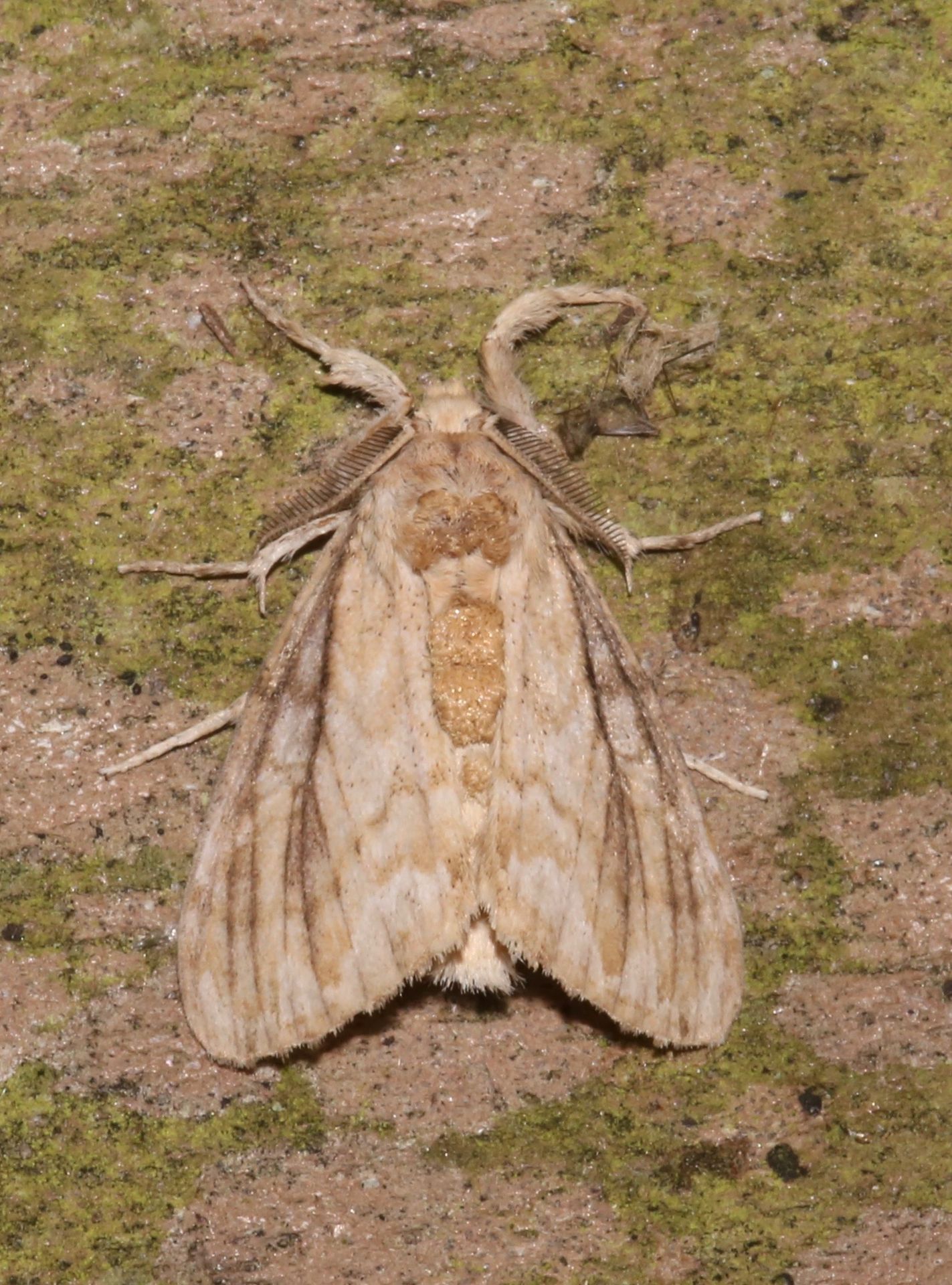
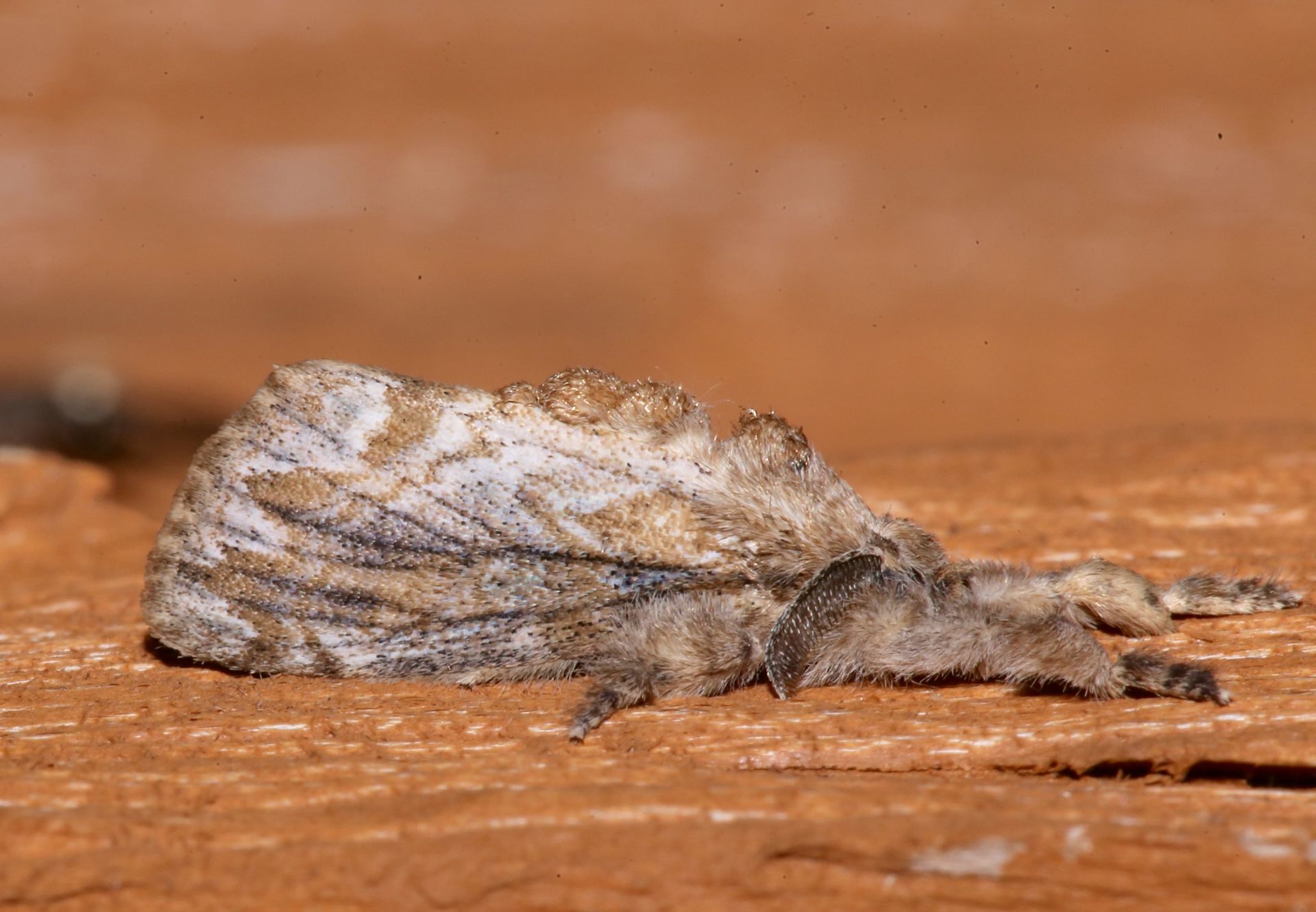
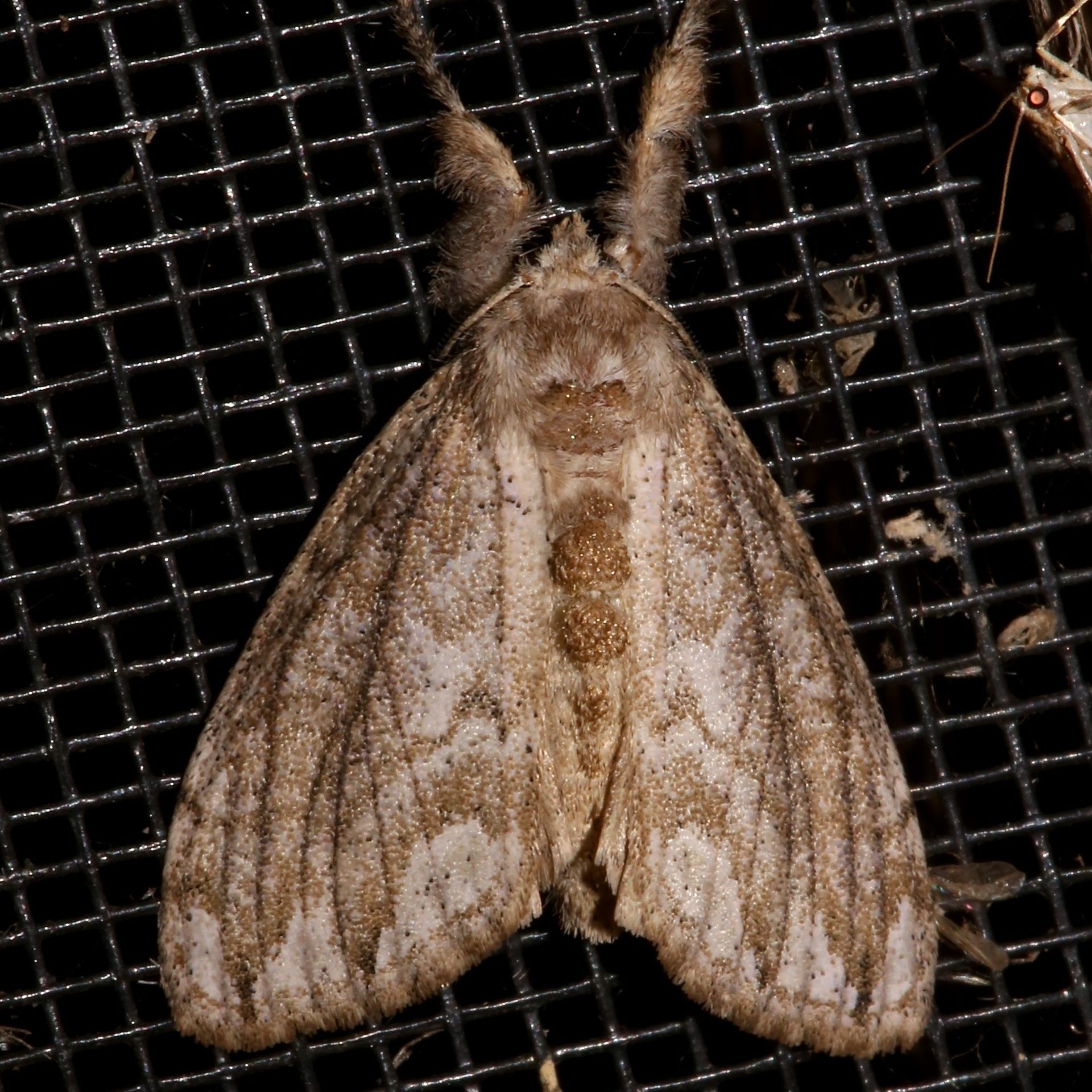
Dasychira atrivenosa, commonly known as the diminutive tussock , is a of tussock moth in the Erebidae. It is native to North America and was first described by Palm in 1873 under the basionym Parorgyia atrivenosa. The species is assigned MONA/Hodges number 8299. As a member of the Lymantriinae, it belongs to a group commonly known as tussock moths, though specific biological details for this species remain limited in published sources.
Pronunciation
How to pronounce Dasychira atrivenosa: //ˌdæsɪˈkaɪrə ˌætrɪvɪˈnoʊsə//
These audio files are automatically generated. While they are not always 100% accurate, they are a good starting point.
Identification
Dasychira atrivenosa can be distinguished from other Dasychira by its specific wing pattern and venation characteristics, though detailed diagnostic features require examination of specimens. The species epithet 'atrivenosa' references distinctive venation patterns. As a 'diminutive' species, adults are relatively small compared to . Definitive identification typically requires genitalia dissection or molecular analysis, as external overlaps with other North American Dasychira species.
Images
Distribution
North America. Specific regional distribution within North America is not well documented in available sources.
Similar Taxa
- Other Dasychira speciesDasychira is a diverse with many North American that share similar tussock ; D. atrivenosa is distinguished primarily by size and specific wing venation patterns
- Orgyia speciesRelated tussock moths in tribe Orgyiini share larval characteristics including tussock hair tufts, though Orgyia typically have more prominent
More Details
Taxonomic history
Originally described as Parorgyia atrivenosa by Palm in 1873, later transferred to Dasychira. The basionym reflects historical classification in a now-synonymized genus.
Nomenclature
Assigned MONA ( of North America) or Hodges number 8299, used in North American lepidopteran cataloging systems.