
Phalaenophana pyramusalis
(Walker, 1859)
Dark-banded Owlet
Phalaenophana pyramusalis, commonly known as the dark-banded owlet, is a small in the Erebidae. First described by Francis Walker in 1859, this is widespread across eastern and central North America. are active during summer months, with multiple per year in most of its range. The larvae are that feed on decaying leaf litter.
Pronunciation
How to pronounce Phalaenophana pyramusalis: //ˌfæləˌnɒfənə pɪrəˈmjʊsəlɪs//
These audio files are automatically generated. While they are not always 100% accurate, they are a good starting point.
Identification
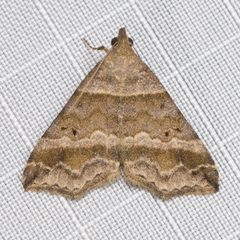
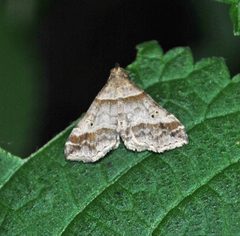
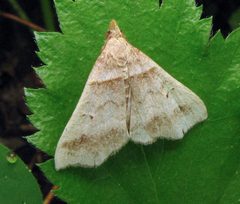
Distinguished from similar herminiine by the prominent dark transverse band on the forewings. The combination of small size (21–25 mm wingspan), North American distribution, and specific wing pattern separates it from and other small erebid moths. Genitalia examination may be required for definitive identification from closely related .
Images
Appearance
Small with wingspan of 21–25 mm. Forewings display a characteristic dark transverse band. Overall coloration is muted, with patterning typical of noctuoid moths in the Herminiinae.
Habitat
Occupies diverse terrestrial environments where decaying leaf litter accumulates. Larval specifically includes moist, blackened, decomposing leaf layers. habitat encompasses forests, woodlands, and adjacent areas with suitable larval food sources.
Distribution
North America: from Saskatchewan and Alberta east to Nova Scotia, southward to North Carolina and Texas. Core range spans the eastern deciduous forest region and adjacent grasslands.
Seasonality
active June to July in Alberta; activity period extends through summer months in southern parts of range. Two or more per year occur across most of the distribution.
Diet
Larvae feed on dead, decaying leaves, specifically preferring moist, blackened leaf litter in advanced stages of decomposition. feeding habits not documented.
Life Cycle
Multivoltine, with two or more annually. Complete with , larval, pupal, and stages. Larval development occurs in decaying leaf litter.
Behavior
activity pattern typical of erebid . Larvae inhabit and feed within decaying leaf litter microhabitat.
Ecological Role
Larvae function as , contributing to decomposition and nutrient cycling in forest floor and woodland .
Human Relevance
No significant economic or agricultural impact. Occasionally encountered by naturalists and enthusiasts. Documented in citizen science platforms with substantial observation records.
Similar Taxa
- Other Phalaenophana speciesRequire examination of wing pattern details and genitalia for separation; P. pyramusalis distinguished by specific dark band configuration
- Herminiinae moths in related generaSimilar size and general appearance; identification relies on forewing pattern and structural characters
More Details
Taxonomic History
Originally described by Francis Walker in 1859 as Herminia pyramusalis. Has been placed in the Phaeolita by some authorities; currently accepted in Phalaenophana.
Larval Microhabitat Preference
Larvae show distinct preference for moist, blackened leaves in decay over fresh or dry leaf litter, indicating specific moisture and decomposition stage requirements.