
Idia rotundalis
Walker, 1866
Rotund Idia Moth, Chocolate Idia
Idia rotundalis is a small litter moth in the Erebidae, Herminiinae. First described by Francis Walker in 1866, it is widespread across eastern North America. The exhibits latitudinal variation in voltinism, with one annually in northern and two or more generations in southern populations. Larvae are that feed on dead leaves and other organic debris.
Pronunciation
How to pronounce Idia rotundalis: /ˈɪ.ði.ə roʊˈtʌn.də.lɪs/
These audio files are automatically generated. While they are not always 100% accurate, they are a good starting point.
Identification
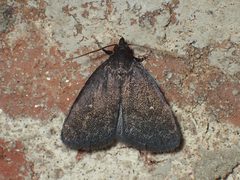
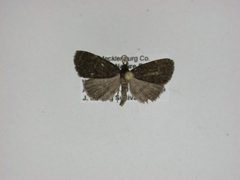
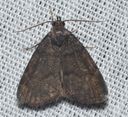
Distinguished from similar Idia by its rounded forewing apex and overall compact wing shape. The specific epithet "rotundalis" refers to this rounded wing . Accurate identification may require examination of genitalia or reference to regional identification keys for Herminiinae.
Images
Appearance
have a wingspan of approximately 20 mm. The exhibits the characteristic rounded wing shape and muted brown coloration typical of the Idia, with patterning that provides camouflage against dead leaves.
Habitat
Occupies wooded and forested where leaf litter accumulates. Associated with terrestrial environments supporting decomposing plant material.
Distribution
Eastern North America, ranging from southern Canada (Manitoba, Saskatchewan, Vermont) through the eastern United States to Florida and Texas.
Seasonality
activity varies by latitude: single in northern range ( period typically mid-summer), two or more generations annually in southern range with extended flight season.
Diet
Larvae feed on detritus, specifically including dead leaves and decomposing plant material.
Life Cycle
Holometabolous development with complete . Voltinism varies geographically: in northern , multivoltine (two or more ) in southern populations.
Behavior
are and attracted to light sources. Larval consistent with ground-dwelling in leaf litter.
Ecological Role
Contributes to decomposition and nutrient cycling as a in forest floor . Larval feeding on dead leaf material facilitates breakdown of organic matter.
Human Relevance
Occasionally encountered at blacklight and lighting events. No significant economic or agricultural impact; not a pest .
Similar Taxa
- Other Idia speciesShare similar size, coloration, and preferences; distinguished by wing shape and pattern details requiring careful examination
- Other Herminiinae (litter moths)Similar and cryptic brown coloration; -level characters separate Idia from related genera
More Details
Nomenclature
Original description as Hormisa rotundalis by Walker in 1866; subsequently transferred to Idia.