
Hypenula
Grote, 1876
litter moths
Species Guides
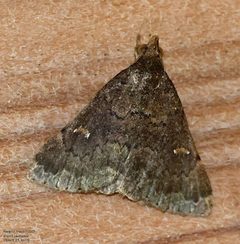
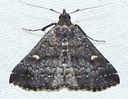
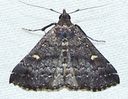
2- Hypenula cacuminalis(Long-horned Owlet)
- Hypenula caminalis(litter moth)
Hypenula is a of litter moths in the Herminiinae, Erebidae. These are associated with forest floor where their larvae feed on decaying plant matter. The genus was established by Grote in 1876 and contains multiple distributed in North America.
Pronunciation
How to pronounce Hypenula: //haɪˈpɛn.jʊ.lə//
These audio files are automatically generated. While they are not always 100% accurate, they are a good starting point.
Identification
Hypenula are small to medium-sized with relatively broad wings and muted coloration, often in shades of brown, gray, or ochre. They can be distinguished from related Herminiinae by genitalia characteristics and subtle wing pattern details; precise identification usually requires dissection or comparison with reference specimens.
Images
Habitat
Forested areas, particularly deciduous and mixed woodlands; associated with leaf litter and decaying vegetation on the forest floor.
Distribution
North America; occur primarily in eastern and central regions of the United States and Canada.
Seasonality
are active primarily from late spring through early autumn, with peak activity varying by and latitude.
Diet
Larvae feed on decaying leaves and other decomposing plant material; do not feed.
Life Cycle
Complete with , larva, pupa, and stages. Larvae develop in leaf litter, occurs in soil or concealed locations.
Behavior
are and attracted to light. Larvae are , processing decaying organic matter in forest floor .
Ecological Role
Larvae contribute to decomposition and nutrient cycling in forest by consuming and breaking down leaf litter.
Human Relevance
No significant economic or agricultural impact; occasionally encountered by enthusiasts and in ecological surveys.
Similar Taxa
- ZanclognathaAlso in Herminiinae with similar size and ; distinguished by wing shape and genitalia structure
- HerminiaOverlapping distribution and appearance; separated by wing venation and male genitalia characteristics
More Details
Taxonomic note
Hypenula is classified in the Herminiinae, sometimes referred to as 'litter moths' due to the detritivorous larval habits common to the group.