
Zale duplicata
Bethune, 1865
Pine False Looper Moth, Pine False Looper, Banded Similar-wing, Grey Similar-wing
Zale duplicata is a noctuid native to North American coniferous woodlands. have a wingspan of 34–36 mm and are active from late May through June, with a single . The was first described by Charles J. S. Bethune in 1865 and occurs across a broad geographic range from British Columbia to Nova Scotia, extending south to Georgia and Texas.
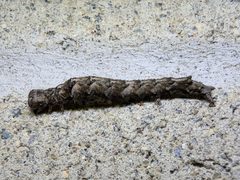
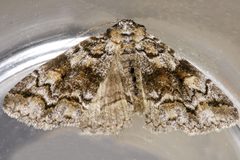
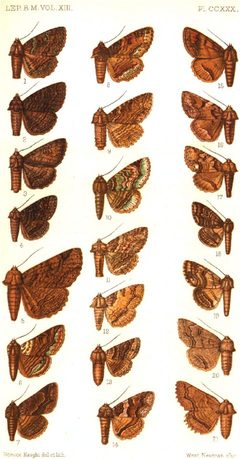
Pronunciation
How to pronounce Zale duplicata: //ˈzeɪ.li duː.plɪˈkeɪ.tə//
These audio files are automatically generated. While they are not always 100% accurate, they are a good starting point.
Identification
Distinguished from similar Zale by wing pattern and association with pine . The specific epithet "duplicata" refers to duplicated or doubled wing markings. Forewing banding pattern differs from congeneric species; precise identification may require examination of genitalia or reference to regional guides.
Images
Appearance
Medium-sized with wingspan of 34–36 mm. Forewings typically grayish with variable banding patterns that provide cryptic coloration against pine bark. Hindwings paler. Overall coloration enables effective camouflage on conifer trunks.
Habitat
Coniferous woodlands and forests, particularly those dominated by pine . Associated with mature forest stands where trees are present.
Distribution
North America: British Columbia to Nova Scotia, south to mountains of Georgia and Texas. Canadian records include Alberta, Manitoba, and Saskatchewan.
Seasonality
active late May through June in Alberta; single per year. period may vary slightly across latitudinal range.
Host Associations
- Pinus - Larval ; specific pine not documented in available sources
Life Cycle
One annually. Complete with , larval, pupal, and stages. Larval stage feeds on pine foliage; presumably occurs in soil or leaf litter, though specific details not documented.
Behavior
are and attracted to light. Larvae are foliage feeders on conifers.
Ecological Role
Larval stage functions as primary consumer of pine foliage. Serves as prey for including Ammophila nigricans, which provisions nests with Zale caterpillars.
Human Relevance
Minor forest pest potential; larvae feed on pine foliage but not known to cause significant economic damage. Subject of entomological study and citizen science observation.
Similar Taxa
- Zale horridaSimilar size and preference; distinguished by wing pattern details
- Zale galbanataCongeneric with overlapping range; requires careful examination of forewing markings
- Zale lunataAnother pine-feeding Zale ; differences in wing pattern and timing may aid separation