Zale lunata
(Drury, 1773)
Lunate Zale, Lunate Zale Moth
Zale lunata, commonly known as the Lunate Zale, is a in the Erebidae. First described by Dru Drury in 1773, it occurs across eastern and western North America with a wingspan of 40–55 mm. The species exhibits year-round or extended activity depending on geographic location, with larvae feeding on various deciduous trees.
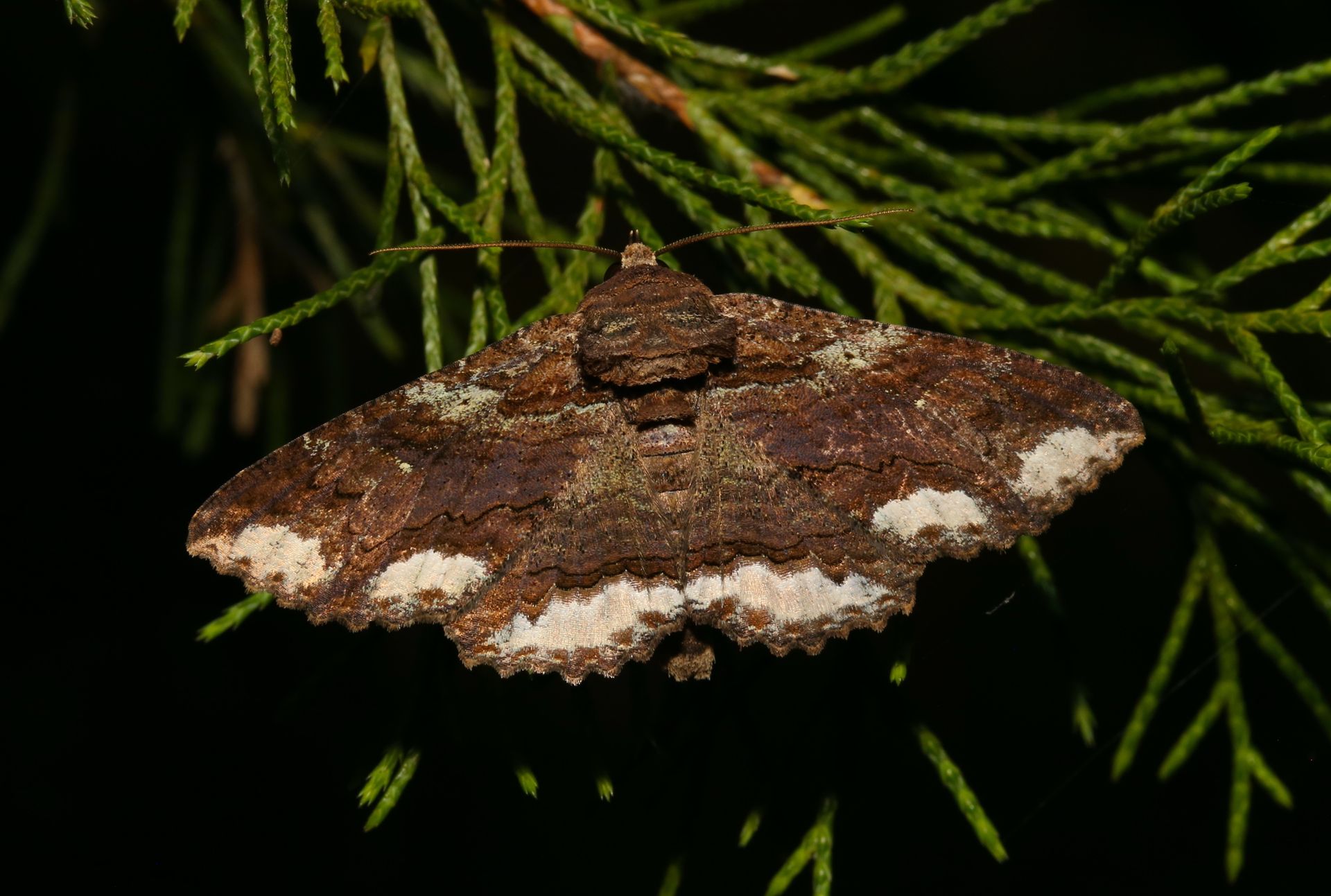
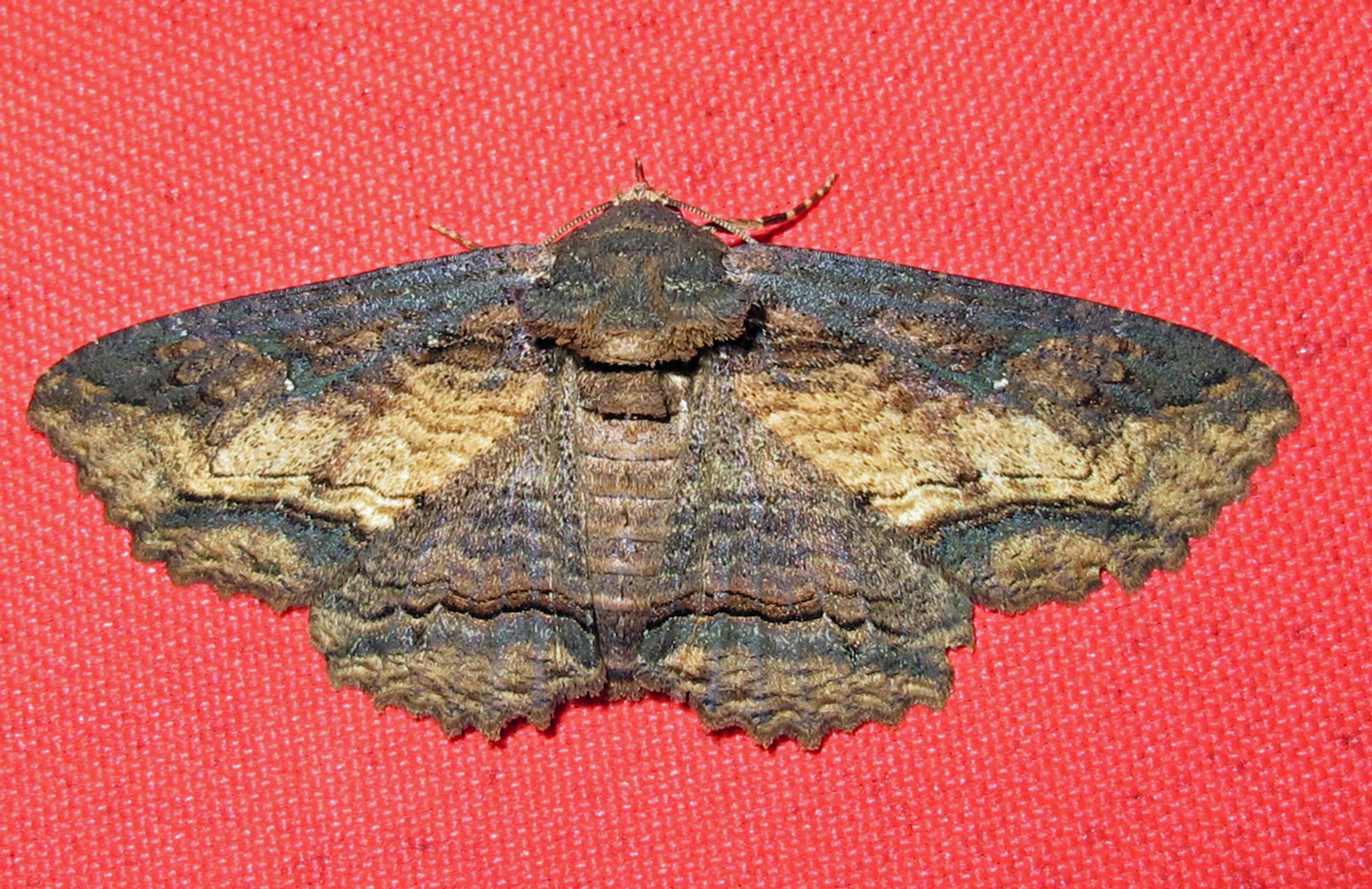
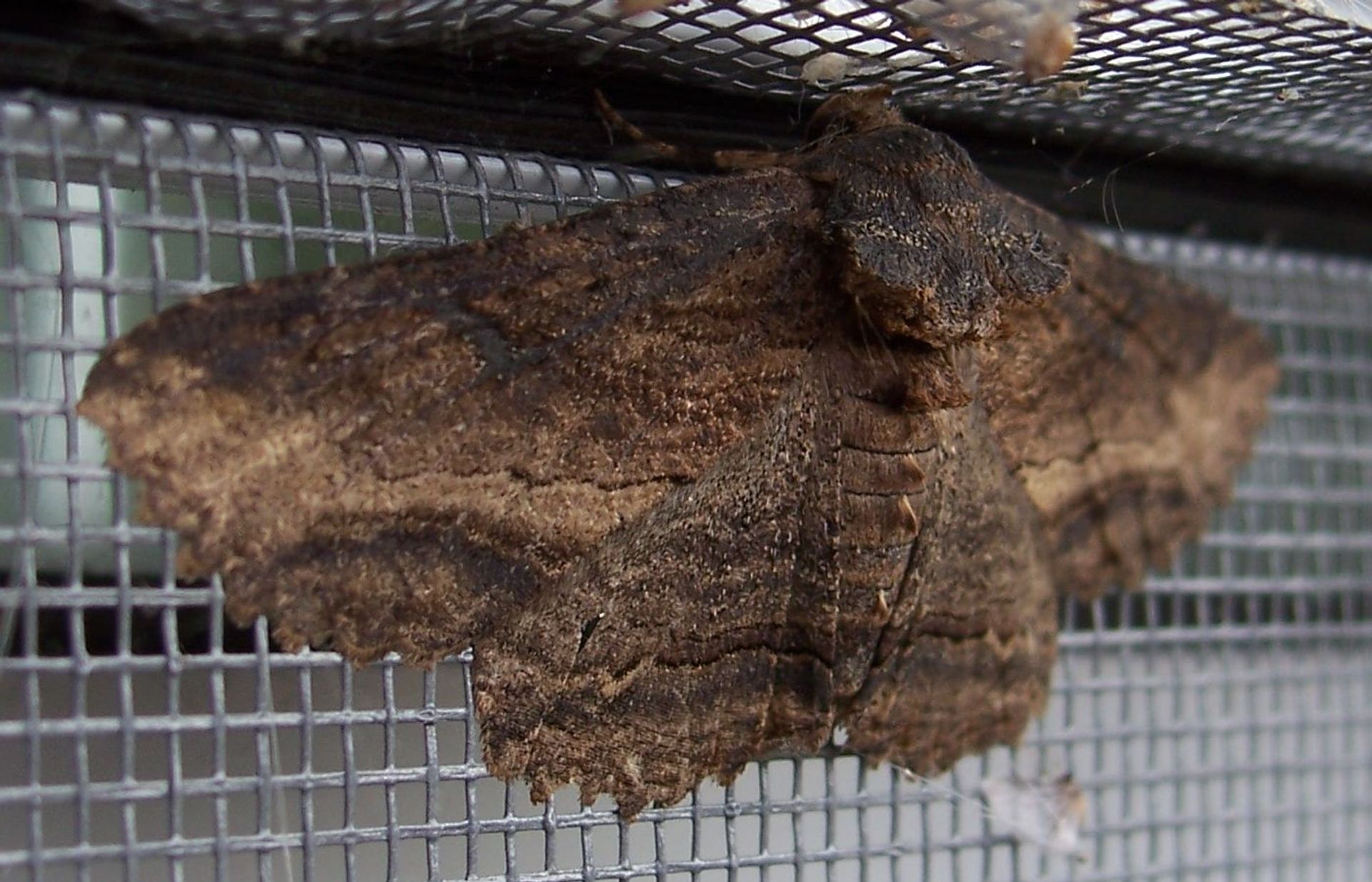
Pronunciation
How to pronounce Zale lunata: /ˈzeɪ.li luˈnaː.ta/
These audio files are automatically generated. While they are not always 100% accurate, they are a good starting point.
Images
Distribution
Found throughout eastern and western North America. Documented distribution records include the Canadian provinces of Alberta, Manitoba, and Saskatchewan, as well as the U.S. state of Vermont.
Seasonality
fly year-round depending on the location; in some regions, activity occurs from March to September.
Diet
Larvae feed on various deciduous trees including maple (Acer), willow (Salix), and Prunus .
Sources and further reading
- BugGuide
- Wikipedia
- GBIF taxonomy match
- iNaturalist taxon
- NCBI Taxonomy
- Catalogue of Life
- Curvature values, a new aspect in the morphology of grapevine seeds | Blog
- Conservation Translocations: It’s Not Just Beavers - Buglife Blog - Buglife
- Bug Eric: September 2017
- Bug Eric: December 2010
- Guest Blog Posts | Blog - Part 6