
Caenurgina annexa
Edwards, H., 1890
Banded Grass Moth
Caenurgina annexa, commonly known as the banded , is a of in the Erebidae. It was described by Henry Edwards in 1890. The species is to western North America, with active during spring months. The wingspan measures 28–30 mm.


Pronunciation
How to pronounce Caenurgina annexa: /kaɪˈnɜːrdʒɪnə əˈnɛksə/
These audio files are automatically generated. While they are not always 100% accurate, they are a good starting point.
Identification
Distinguished from congeneric by geographic range; Caenurgina annexa is restricted to western North America while related species such as Caenurgina erechtea (Forage Looper) occur more broadly across the continent. Specific diagnostic morphological features not documented in available sources.
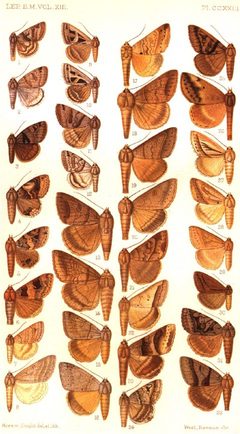
Images
Habitat
Grassland and meadow in western North America. Specific microhabitat preferences not documented.
Distribution
Western North America: western Alberta and Montana westward through British Columbia, Washington, and Oregon.
Seasonality
on wing from May to June; exact timing varies by location within range.
Behavior
; attracted to light sources.
Similar Taxa
- Caenurgina erechteaCongeneric with broader North American distribution; distinguished by range overlap and potentially wing pattern differences, though specific diagnostic features not documented for C. annexa.
More Details
Nomenclature
Originally described as Euclidia annexa by Henry Edwards in 1890; later transferred to Caenurgina.
Observation frequency
iNaturalist records indicate 22 observations as of source date, suggesting the is infrequently encountered or underreported relative to more common .