Catocala sordida
Grote, 1877
Sordid Underwing
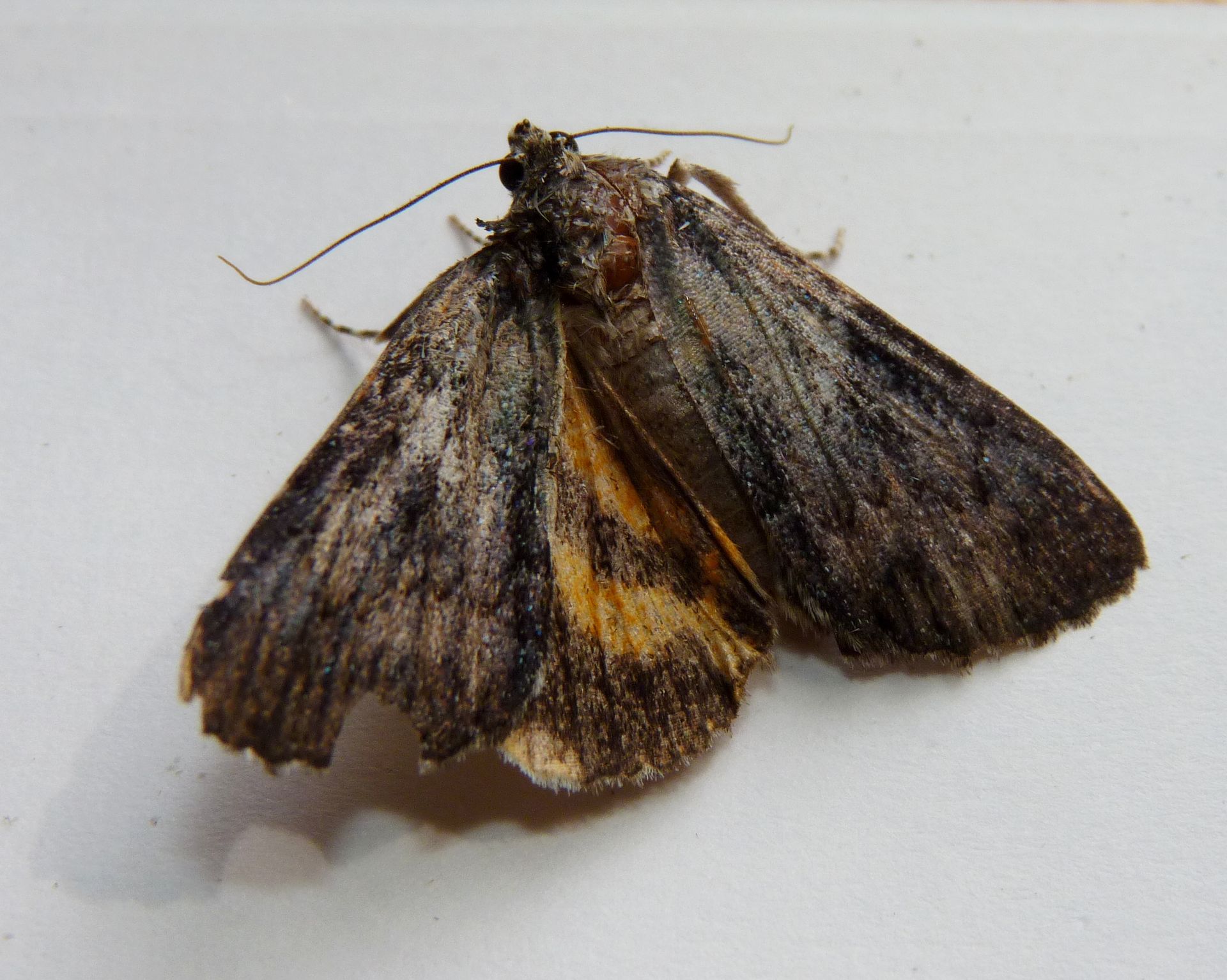
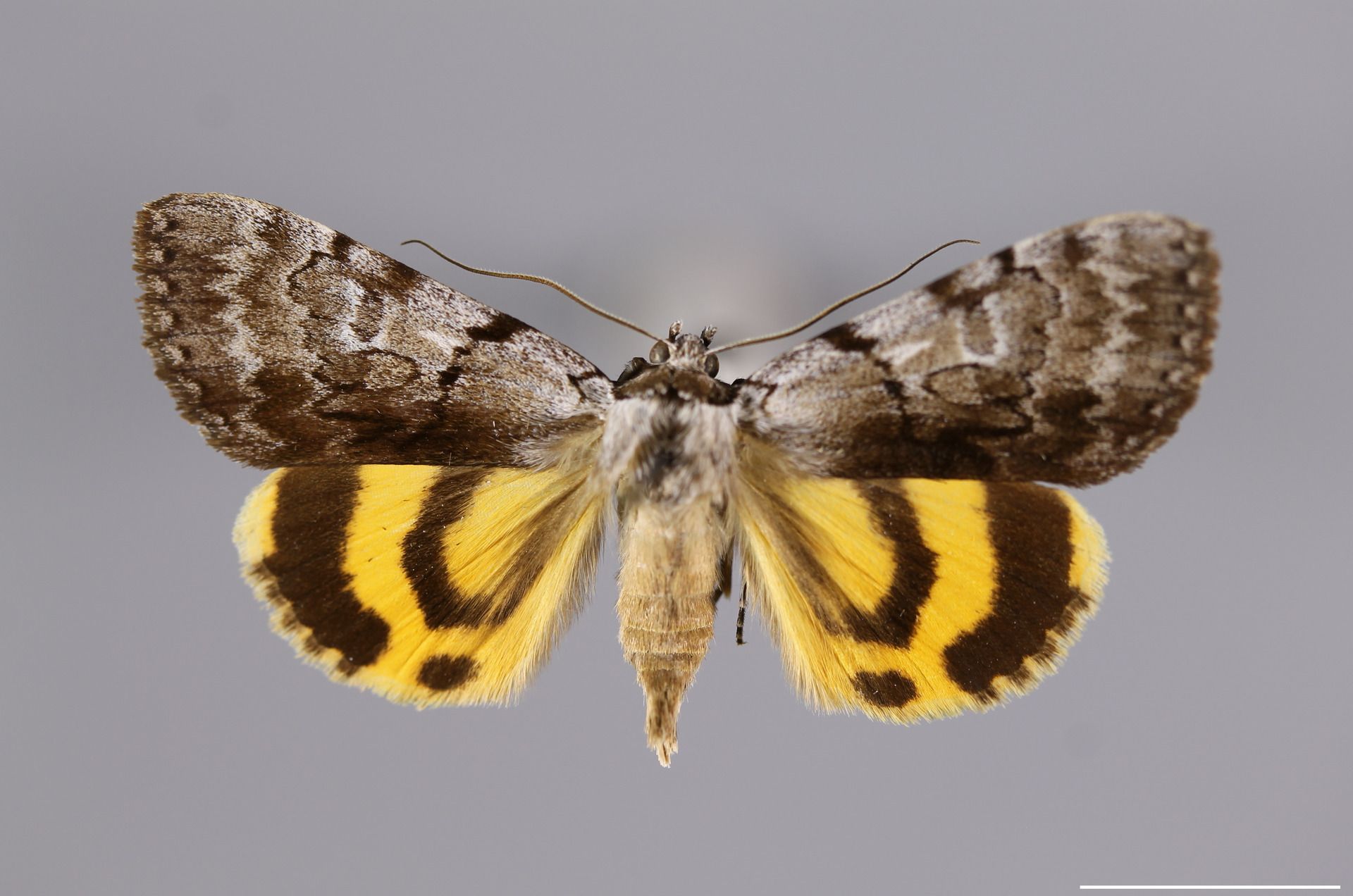
Catocala sordida, the sordid underwing, is a in the Erebidae described by Augustus Radcliffe Grote in 1877. It is characterized by cryptic forewings that conceal brightly colored hindwings, a trait shared with other members of the Catocala. The species occurs across eastern and central North America, with larvae feeding on hackberry (Celtis) and blueberry (Vaccinium). are active from May through September.

Pronunciation
How to pronounce Catocala sordida: /ˌkætəˈkeɪlə ˈsɔːrdɪdə/
These audio files are automatically generated. While they are not always 100% accurate, they are a good starting point.
Identification
Distinguished from other Catocala by combination of size (medium-small for the ), forewing pattern, and hindwing coloration. The specific epithet 'sordida' (meaning dirty or dull) refers to the relatively subdued appearance compared to some more vividly marked underwing species. Examination of hindwing pattern and male genitalia may be required for definitive identification where ranges overlap with similar species.
Images
Appearance
Wingspan 37–45 mm. Forewings are cryptically colored in dull gray-brown tones, serving as camouflage when at rest. Hindwings are concealed at rest but display bold coloration when exposed. The specific pattern and coloration of the hindwings distinguishes it from .
Habitat
Associated with supporting its larval plants: hackberry (Celtis) in woodland and riparian areas, and blueberry (Vaccinium) in acidic soils including bogs, barrens, and forest understories. Occurs in deciduous and mixed forests, forest edges, and shrublands.
Distribution
Eastern and central North America: from Saskatchewan east to New Brunswick and Prince Edward Island, south through Maine and Connecticut to Florida, west to Texas, and north to Manitoba. Records from Alberta, Manitoba, and Saskatchewan in Canada; throughout the eastern and central United States.
Seasonality
active May through September. One per year ().
Diet
Larvae feed on Celtis (hackberry) and Vaccinium (blueberry). feeding habits not documented.
Host Associations
- Celtis - larval planthackberry
- Vaccinium - larval plantblueberry
Life Cycle
One per year. stage not specified in available sources. Larval development occurs on plants; presumably in soil or leaf litter.
Behavior
are . Like other Catocala , adults typically do not come directly to lights or remain on the periphery of lighted areas. May be flushed from daytime resting positions on tree trunks.
Ecological Role
Larval herbivore on woody plants. likely serve as prey for including bats and birds. Specific ecological interactions not well documented.
Human Relevance
Subject of interest to lepidopterists and citizen scientists, particularly during National Week events. Not known to be of economic importance.
Similar Taxa
- Catocala epioneOverlapping range and similar medium size; distinguished by hindwing pattern and coloration
- Other Catocala species members share cryptic forewings and colorful hindwings; require careful examination of wing patterns and genitalia for identification
More Details
Sources and further reading
- BugGuide
- Wikipedia
- GBIF taxonomy match
- iNaturalist taxon
- NCBI Taxonomy
- Catalogue of Life
- A Gathering of Lepidopterists: Who's Who of the Butterfly, Moth Experts | Bug Squad
- Got Moths? Celebrate National Moth Week and Global Citizen Science
- Bug Eric: National Moth Week Recap, 2015
- Bug Eric: National Moth Week Recap for Colorado Springs
- Bug Eric: National Moth Week 2024 Recap from Kansas City
- Bug Eric: New Mexico Night Bugs