Catocala micronympha
Guenée, 1852
Little Nymph Underwing, Little Bride Underwing
Catocala micronympha is a medium-sized underwing in the Erebidae. The is characterized by cryptic forewings that conceal brightly patterned hindwings, a defensive trait common to the Catocala. It occurs across eastern and central North America, with active from spring through late summer. The larval stage feeds exclusively on oak species.
Pronunciation
How to pronounce Catocala micronympha: //kætoʊˈkeɪlə maɪkroʊˈnɪmfə//
These audio files are automatically generated. While they are not always 100% accurate, they are a good starting point.
Identification
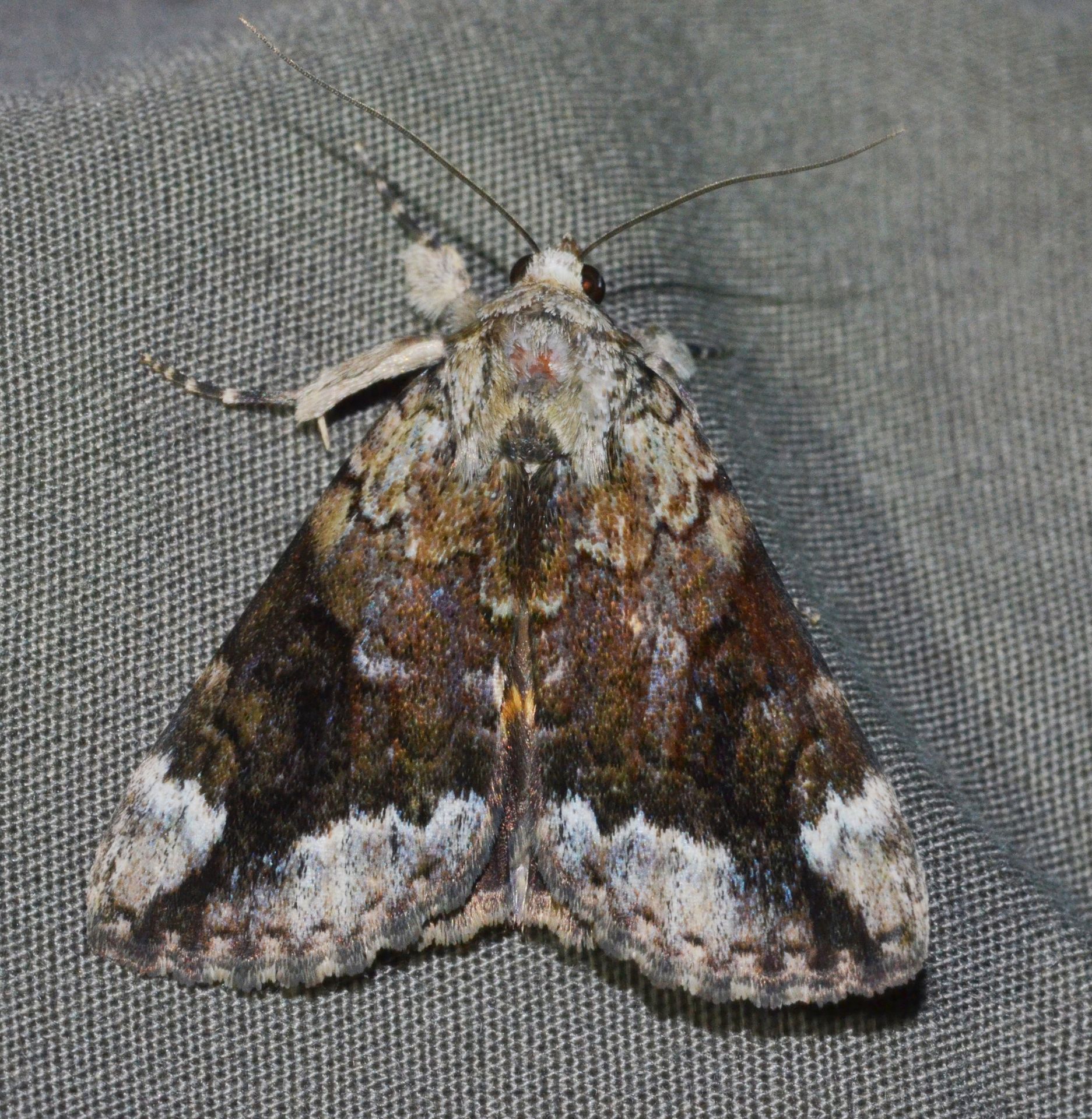
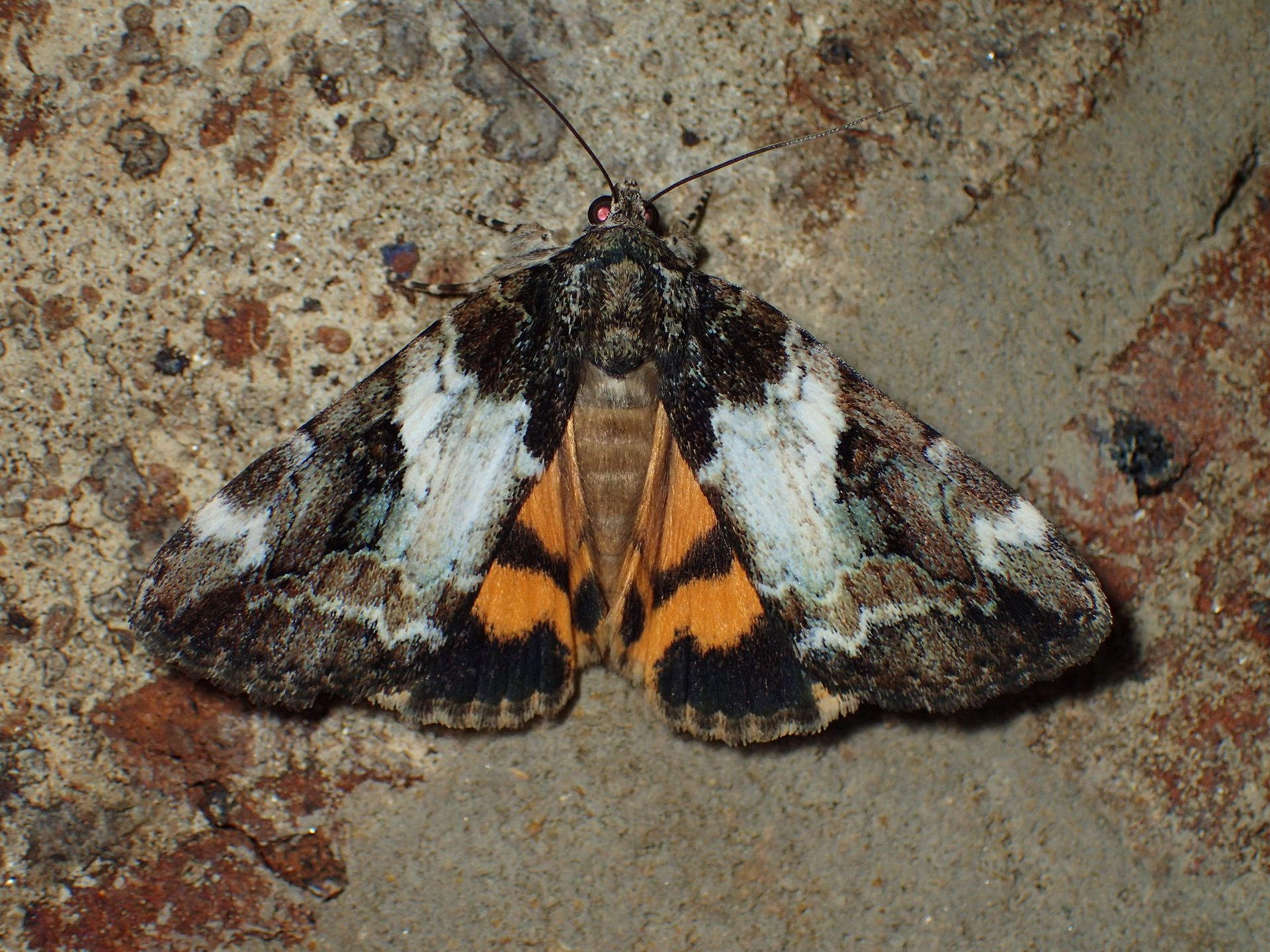
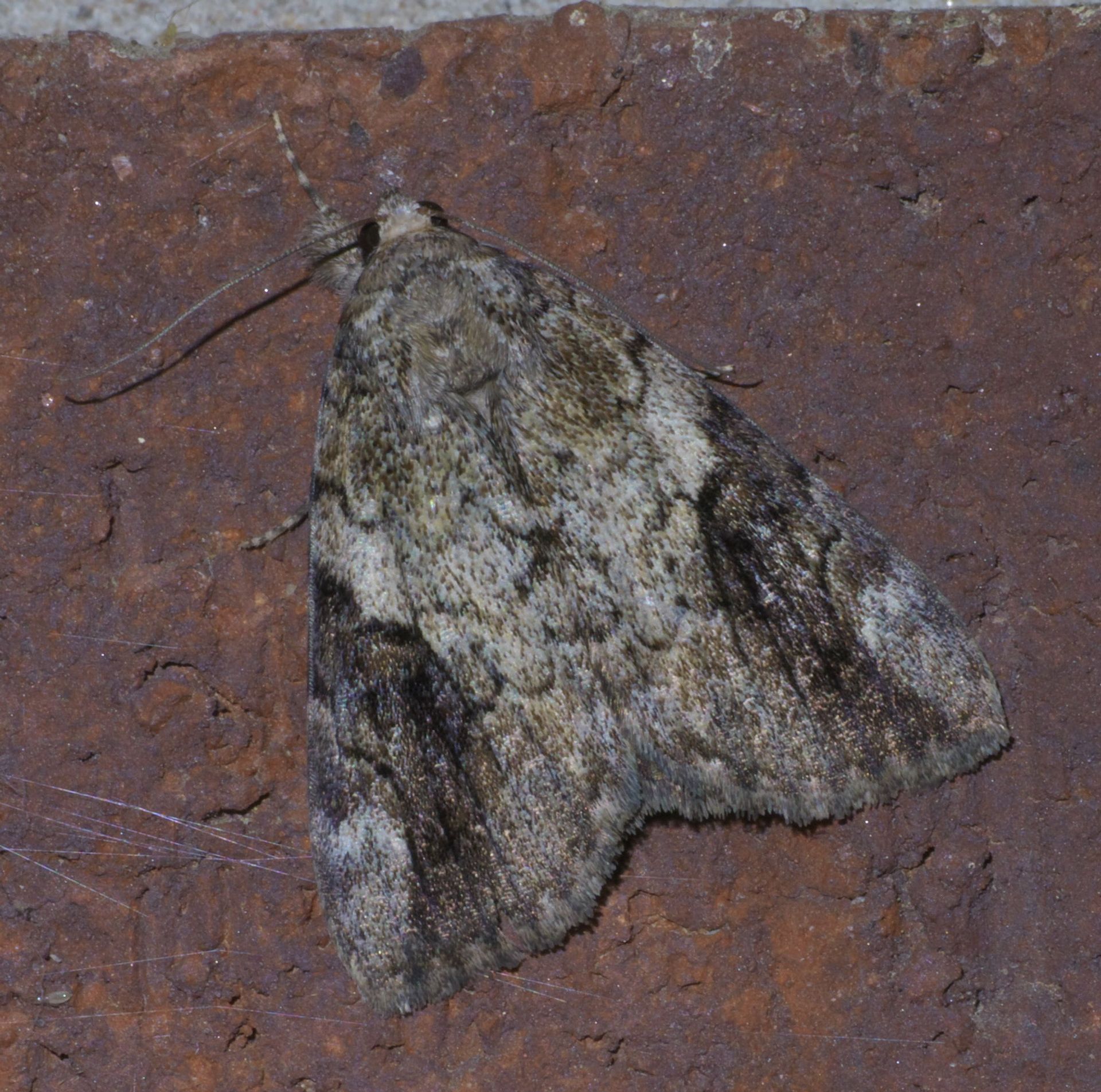
Distinguished from other Catocala by the specific pattern of the hindwing bands and the overall size. The combination of gray-brown cryptic forewings with orange-and-black banded hindwings is diagnostic for the ; species-level identification requires examination of hindwing pattern details and genitalia. Similar species include other underwing moths in the same genus, which differ in hindwing coloration and banding.
Images
Appearance
have a wingspan of 35–50 mm. The forewings are dull gray-brown with intricate mottled patterns that provide camouflage against tree bark. When at rest, the forewings are held together over the back, completely hiding the hindwings. The hindwings are strikingly colored with bands of orange, black, and white—patterns that are flashed suddenly to startle when the is disturbed. The body is robust and densely scaled.
Habitat
Deciduous and mixed forests with oak trees. are found in wooded areas where larval plants occur. The has been observed in dry, mixed conifer forests with oaks at elevations around 7,000 feet.
Distribution
North America: southern Ontario, Quebec, and Manitoba through New Hampshire, Connecticut, and New Jersey to Florida; west to Texas; north through Oklahoma, Kansas, Iowa to Wisconsin and Minnesota; east to Michigan.
Seasonality
are on wing from April to September depending on location. There is probably one per year.
Diet
Larvae feed on Quercus macrocarpa (bur oak), Quercus stellata (post oak), and Quercus virginiana (live oak). diet is not documented.
Life Cycle
Probably (one per year). Larval stage feeds on oak foliage. likely occurs in soil or leaf litter. Detailed information is limited.
Behavior
are and attracted to light, though underwing moths typically remain on the periphery of lighted areas rather than landing directly on sheets. When disturbed, adults flash their brightly colored hindwings to startle before taking . This startle defense complements their camouflage at rest.
Ecological Role
Larval herbivore on oak . likely serve as prey for including bats, birds, and spiders.
Human Relevance
Subject of citizen science observation during National Week and similar events. The contributes to documentation of moth biodiversity in eastern North America.
Similar Taxa
- Catocala aholibahLarger underwing with different hindwing pattern; occurs in similar but distinguishable by size and banding details.
- Catocala verillianaSmaller underwing with distinct hindwing markings; overlaps in range and .
- Catocala epioneAnother underwing with similar cryptic forewing strategy but different hindwing coloration and banding pattern.
Sources and further reading
- BugGuide
- Wikipedia
- GBIF taxonomy match
- iNaturalist taxon
- NCBI Taxonomy
- Catalogue of Life
- A Gathering of Lepidopterists: Who's Who of the Butterfly, Moth Experts | Bug Squad
- Got Moths? Celebrate National Moth Week and Global Citizen Science
- Bug Eric: National Moth Week Recap, 2015
- Bug Eric: National Moth Week Recap for Colorado Springs
- Bug Eric: National Moth Week 2024 Recap from Kansas City
- Bug Eric: New Mexico Night Bugs