Catocala benjamini
Brower, 1937
Benjamin's underwing
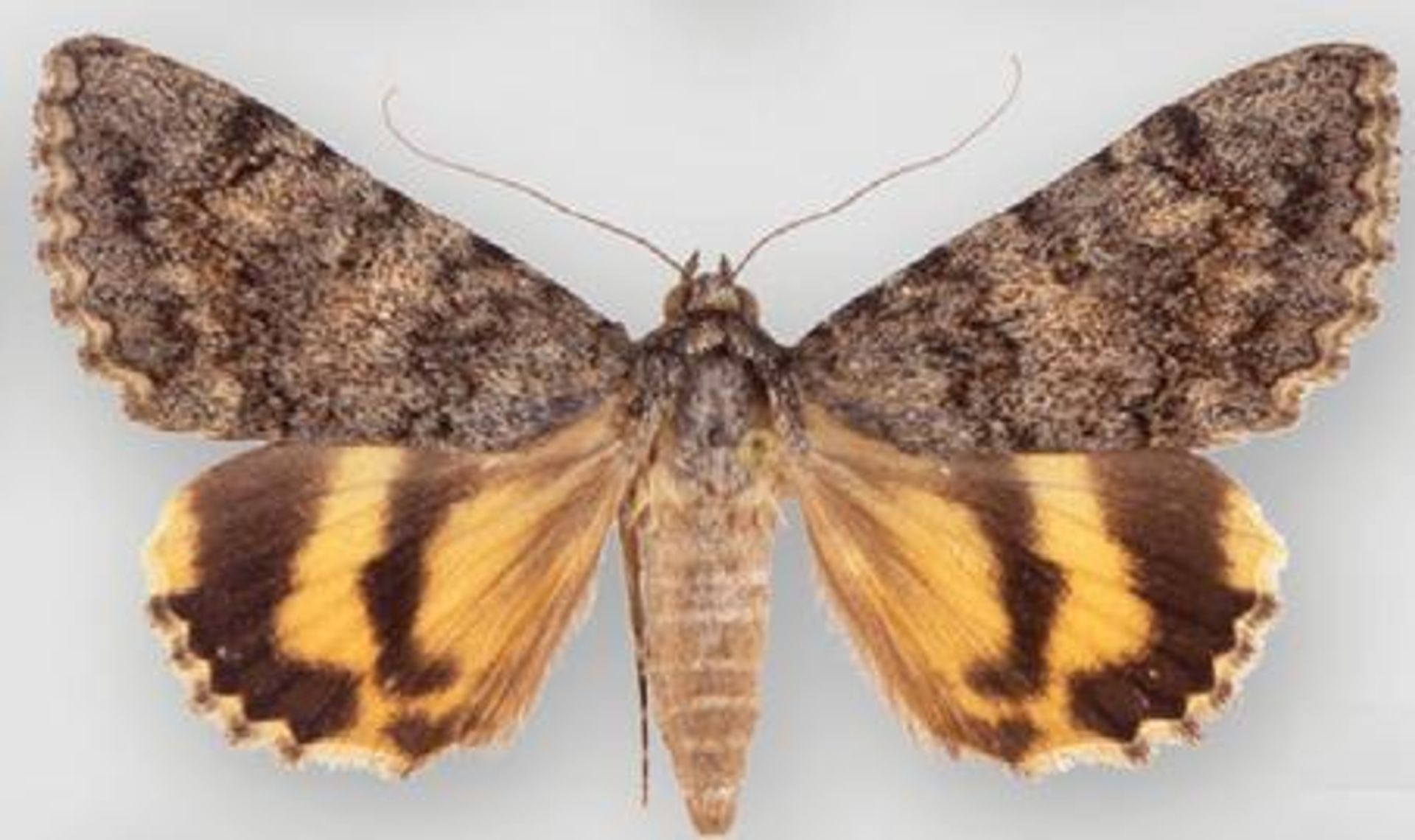
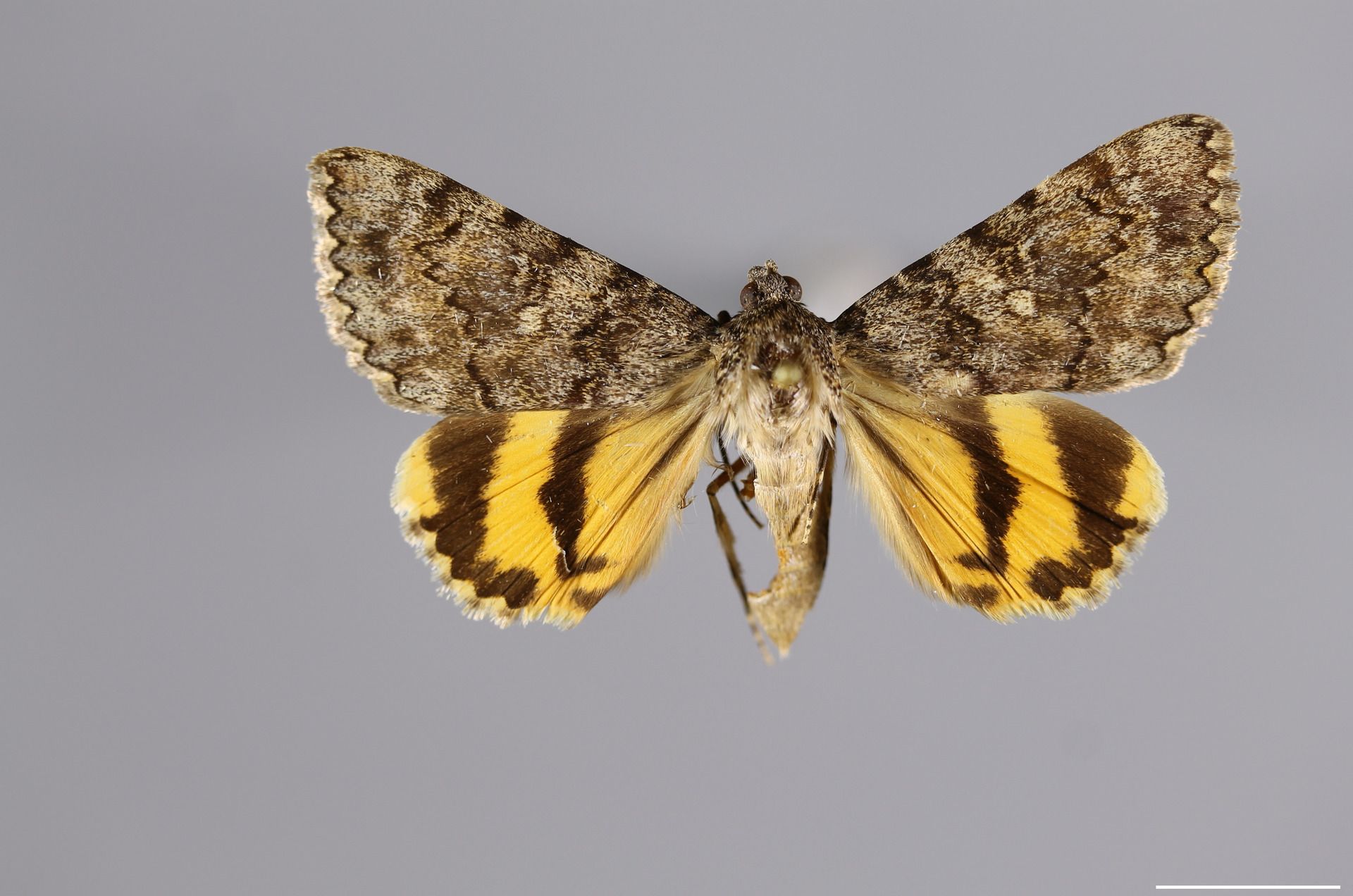
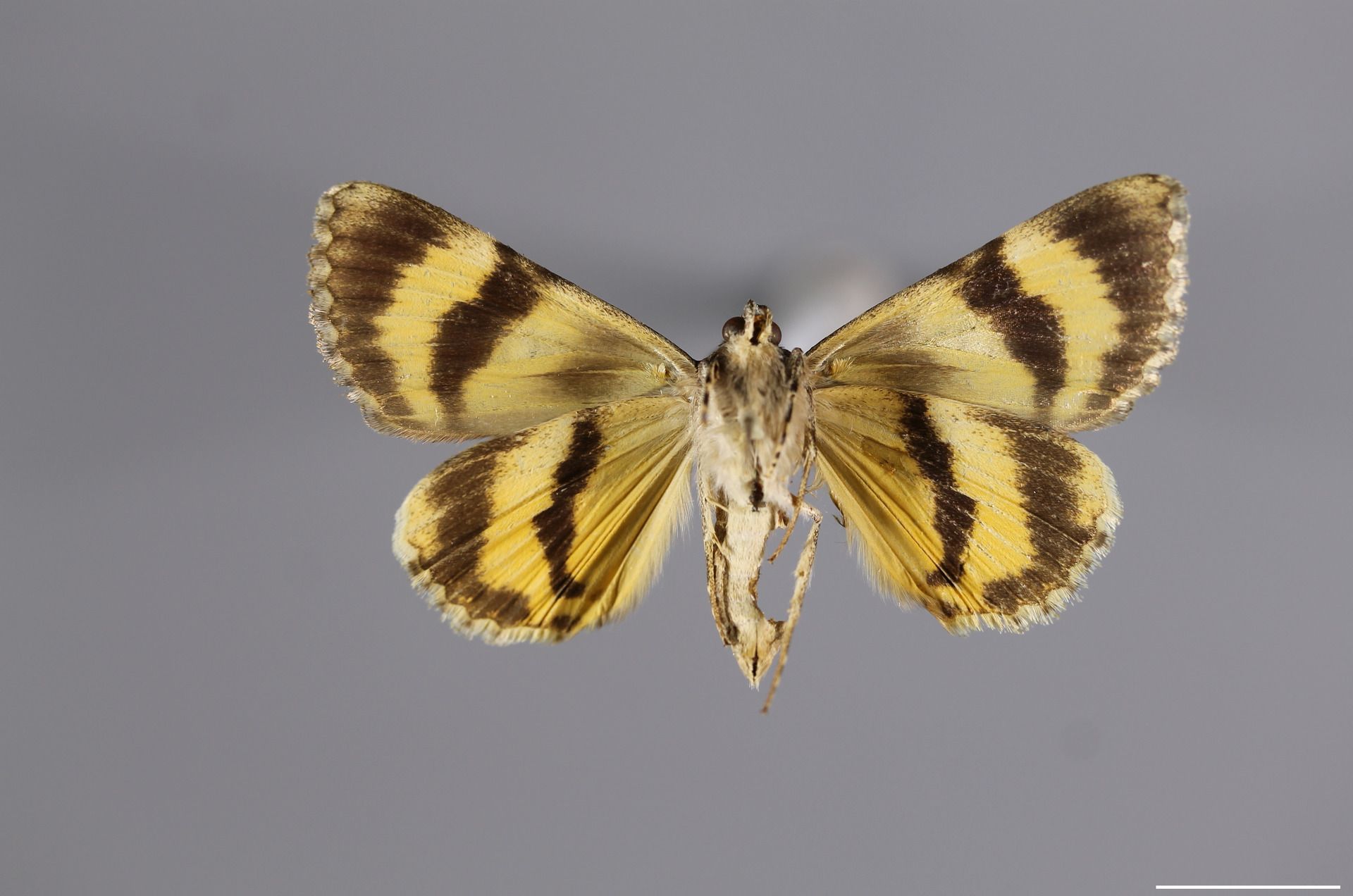
benjamini, or Benjamin's underwing, is a in the Erebidae. The was first described by Auburn Edmund Brower in 1937. It was formerly considered a of Catocala andromache but is now recognized as a distinct species. are active in June with likely one per year.
Pronunciation
How to pronounce Catocala benjamini: //kæ.toʊˈkɑː.lə bɛn.dʒəˈmiː.naɪ//
These audio files are automatically generated. While they are not always 100% accurate, they are a good starting point.
Identification
Formerly treated as a of andromache; distinguished as a separate based on morphological and geographic criteria. Specific diagnostic characters for field identification from similar underwing are not documented in available sources.
Images
Habitat
Associated with oak ; larvae feed on Quercus gambelii (Gambel oak), indicating dependence on oak woodland or forest .
Distribution
Found in the US states of Arizona, Nevada, southern California, and southern Utah. Four are recognized with more restricted ranges: C. b. benjamini (south-eastern California, Arizona, southern Nevada, south-western Utah), C. b. mayhewi (desert-facing slopes of mountain ranges in southern California), C. b. jumpi (Kofa Mountains, Arizona), and C. b. ute (Grand and San Juan counties, south-eastern Utah).
Seasonality
are on wing in June. Probably one per year.
Diet
Larvae feed on Quercus gambelii (Gambel oak). diet not documented.
Host Associations
- Quercus gambelii - larval plantGambel oak
Life Cycle
Likely (one per year), based on the observation that are on wing in June with no evidence of a second period.
Similar Taxa
- Catocala andromacheFormerly considered ; C. benjamini was described as a of C. andromache before being elevated to status.
More Details
Taxonomic history
Originally described as a of andromache, later recognized as a distinct . Four subspecies were described between 2009 and 2010, reflecting geographic variation across its range.
Sources and further reading
- BugGuide
- Wikipedia
- GBIF taxonomy match
- iNaturalist taxon
- NCBI Taxonomy
- Catalogue of Life
- A Gathering of Lepidopterists: Who's Who of the Butterfly, Moth Experts | Bug Squad
- Josef Knull was wrong! | Beetles In The Bush
- Bug Eric: Desert Grasshoppers
- Got Moths? Celebrate National Moth Week and Global Citizen Science
- Bug Eric: National Moth Week Recap, 2015
- Bug Eric: National Moth Week Recap for Colorado Springs