Catocala antinympha
Hübner, 1823
sweetfern underwing moth, sweetfern underwing
Catocala antinympha, the sweetfern underwing , is a North American underwing moth in the Erebidae. It is distinguished by its cryptic forewings that conceal brightly colored hindwings, a trait shared with other members of the Catocala. The has a single per year and is closely associated with sweetfern (Comptonia peregrina), its sole known larval plant. Its range spans northeastern North America from Quebec and Ontario to the mid-Atlantic states.
Pronunciation
How to pronounce Catocala antinympha: //kəˈtɒkələ ænˈtɪnɪmfə//
These audio files are automatically generated. While they are not always 100% accurate, they are a good starting point.
Identification
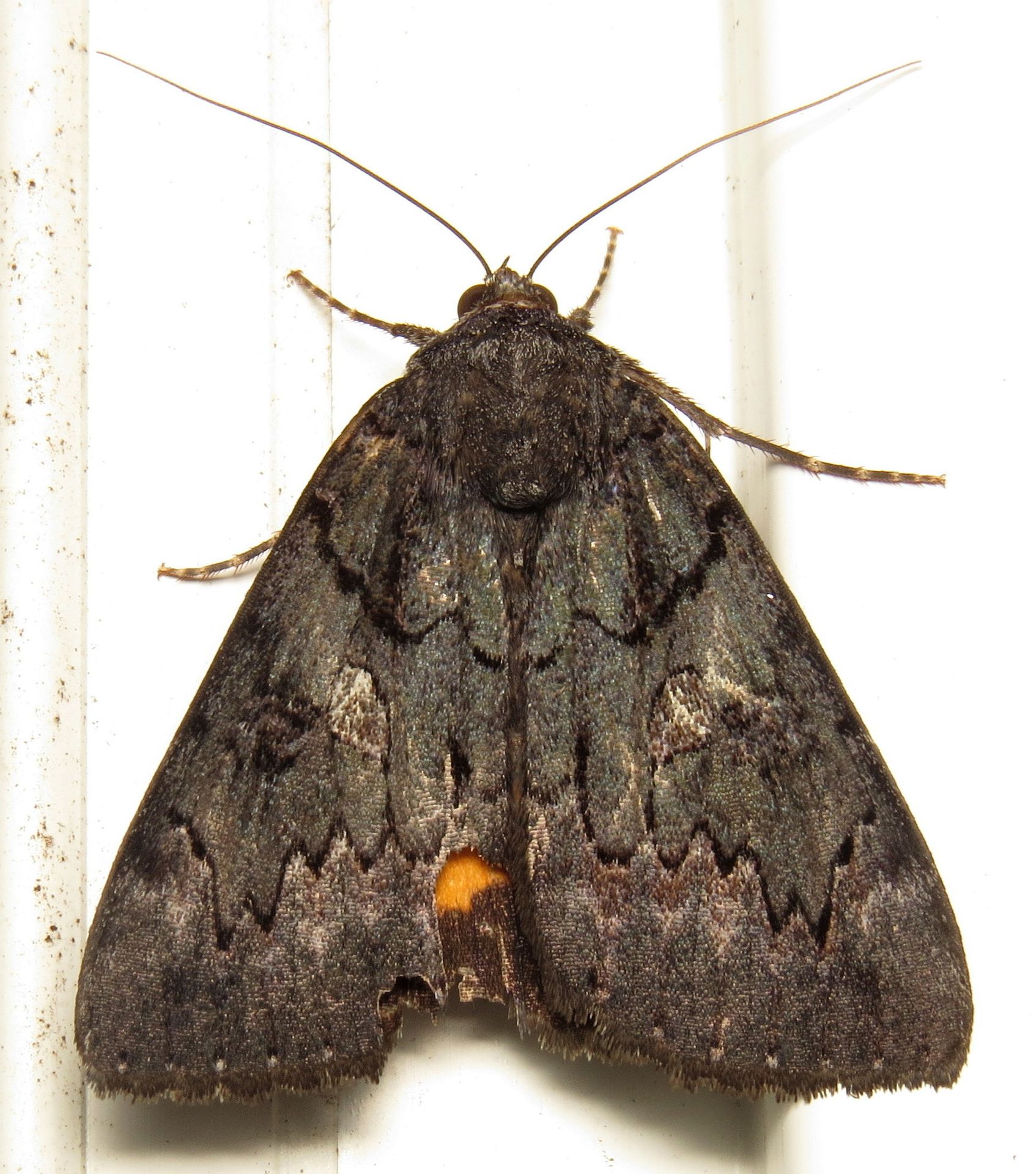
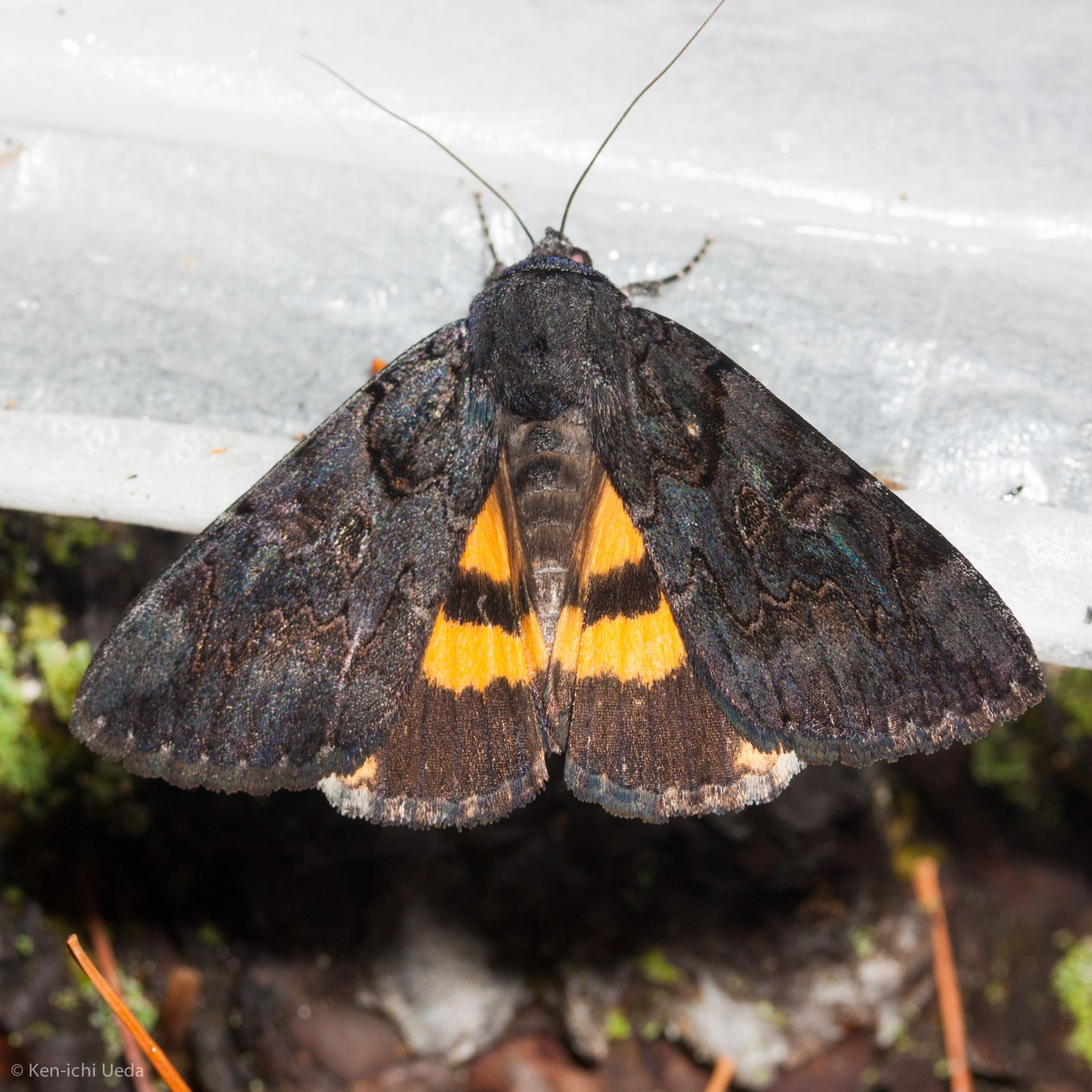
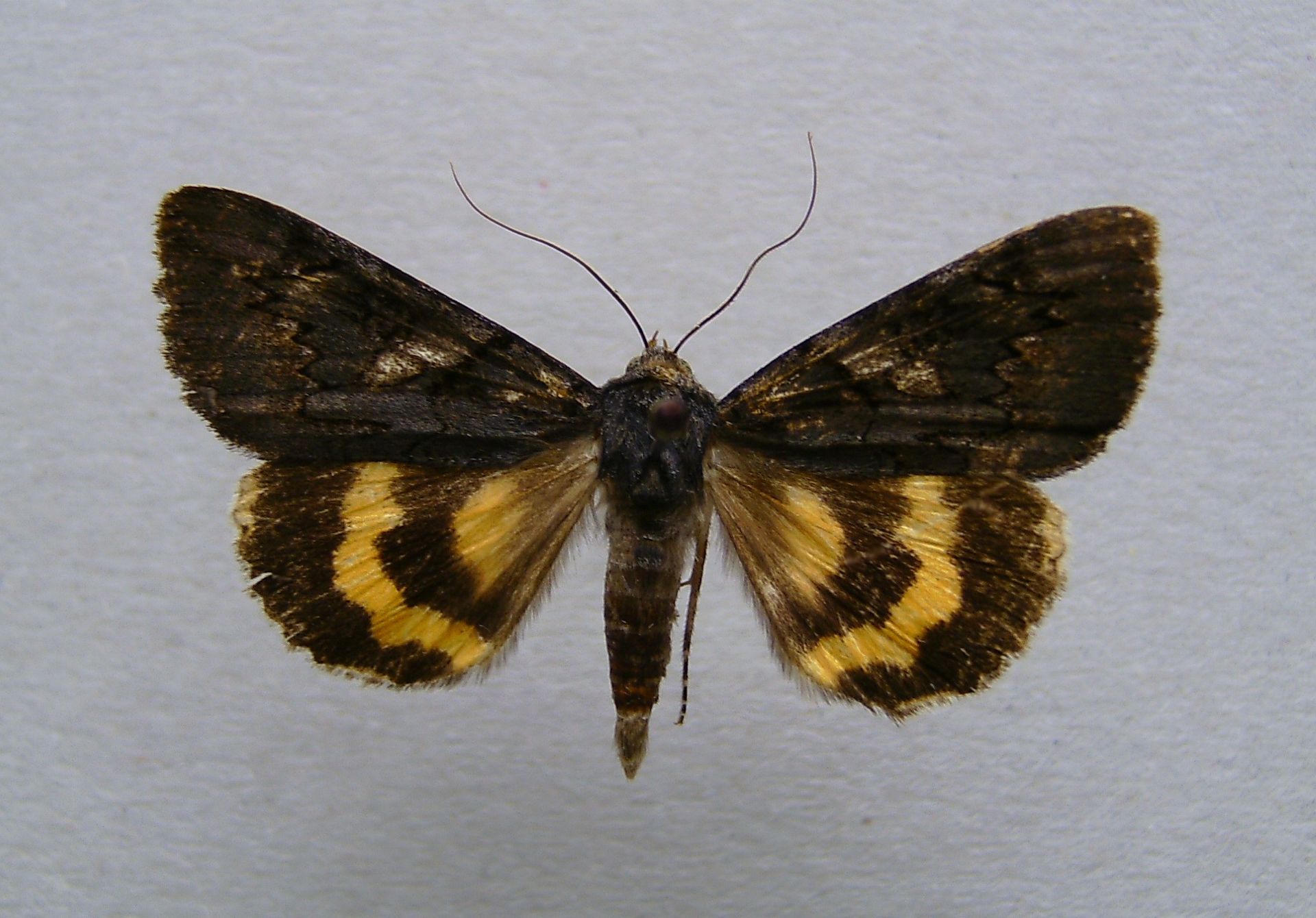
A medium-sized underwing with wingspan 45–55 mm. Forewings are dull gray-brown with intricate dark patterning, providing camouflage against tree bark. Hindwings are concealed at rest but display bold coloration when exposed—typically with bands of orange, black, and white that vary among individuals. Distinguished from other Catocala by specific forewing pattern elements and hindwing color banding; precise identification may require examination of genitalia or reference to regional identification guides.
Images
Habitat
Associated with dry, sandy or rocky where the larval plant sweetfern (Comptonia peregrina) grows. Found in open woodlands, forest edges, barrens, and coastal plains. are occasionally attracted to light but often remain on the periphery of lighted areas or in nearby vegetation.
Distribution
Eastern North America from Quebec and Ontario east to Nova Scotia, and south to Connecticut, Rhode Island, New York, Massachusetts, Pennsylvania, and Maryland. Records also include Saskatchewan and Vermont.
Seasonality
active from July to September. One per year ().
Diet
Larvae feed exclusively on sweetfern (Comptonia peregrina), a woody shrub in the Myricaceae . feeding habits unknown.
Host Associations
- Comptonia peregrina - larval plantsole documented
Life Cycle
Single per year. Larvae feed on sweetfern foliage. stage not explicitly documented in available sources. likely occurs in leaf litter or soil.
Behavior
are and generally reluctant to come directly to lights, often remaining in trees or on the periphery of illuminated areas. When disturbed, they flash their brightly colored hindwings as a startle defense before taking . This is characteristic of underwing moths and serves to momentarily confuse .
Ecological Role
Larva functions as a herbivore on sweetfern. likely serve as prey for including bats and night-flying birds. Specific role unconfirmed.
Human Relevance
Subject of interest to lepidopterists and enthusiasts, particularly during National Moth Week events. Not known to be of economic importance. The epithet and reflect its association with sweetfern, a plant with minor historical uses by humans.
Similar Taxa
- Catocala epioneSimilar size and underwing pattern; distinguished by differences in forewing maculation and hindwing banding, and by geographic range which overlaps partially but extends further west and south.
- Other Catocala speciesOver 250 in share cryptic forewings and colorful hindwings; identification to species requires attention to specific pattern elements, hindwing coloration, and often genitalia examination.
Sources and further reading
- BugGuide
- Wikipedia
- GBIF taxonomy match
- iNaturalist taxon
- NCBI Taxonomy
- Catalogue of Life
- A Gathering of Lepidopterists: Who's Who of the Butterfly, Moth Experts | Bug Squad
- Got Moths? Celebrate National Moth Week and Global Citizen Science
- Bug Eric: National Moth Week Recap, 2015
- Bug Eric: National Moth Week Recap for Colorado Springs
- Bug Eric: National Moth Week 2024 Recap from Kansas City
- Bug Eric: New Mexico Night Bugs