
Metalectra
Hübner, 1823
Species Guides
11- Metalectra albilinea(white-lined fungus moth)
- Metalectra bigallis
- Metalectra cinctus
- Metalectra diabolica(diabolical fungus moth)
- Metalectra discalis(Common Fungus Moth)
- Metalectra edilis
- Metalectra geminicincta
- Metalectra miserulata
- Metalectra quadrisignata(Four-spotted Fungus Moth)
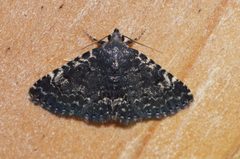
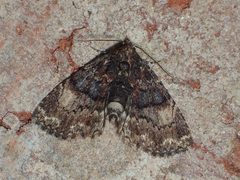
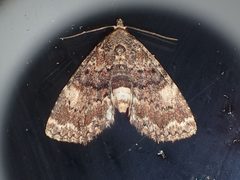
Metalectra is a of in the Erebidae, Boletobiinae. The genus was established by Jacob Hübner in 1823. in this genus are known as underwing moths or related to the underwing group, though they are generally smaller and less conspicuous than the classic Catocala underwings. The genus contains numerous species distributed primarily in North America.
Pronunciation
How to pronounce Metalectra: /ˌmɛtəˈlɛktrə/
These audio files are automatically generated. While they are not always 100% accurate, they are a good starting point.
Identification
Metalectra can be distinguished from the related Catocala (the classic underwing moths) by their generally smaller size and less boldly patterned hindwings. Forewings are typically cryptically colored in shades of brown or gray, often with fine streaking or mottling that provides camouflage against bark. When at rest, the hindwings are concealed beneath the forewings; when disturbed, the hindwings may be briefly exposed. Specific identification to species level usually requires examination of genitalia or detailed wing pattern analysis.
Images
Distribution
Primarily North America, with records from the United States including Vermont and other regions. The appears to be restricted to the Nearctic region based on available occurrence data.
Similar Taxa
- CatocalaBoth belong to Erebidae and share the 'underwing moths' due to their habit of concealing brightly colored hindwings beneath cryptic forewings. Catocala are generally larger with more dramatically contrasting hindwing patterns (often orange, red, or yellow with black bands), while Metalectra species are smaller with more subdued coloration.
More Details
Taxonomic placement
Metalectra was historically placed in Noctuidae but is now classified in Erebidae following molecular phylogenetic revisions of the Noctuoidea. It belongs to the Boletobiinae.
Observation frequency
The has accumulated over 12,000 research-grade observations on iNaturalist, indicating it is relatively well-documented by citizen scientists, though individual may be under-recorded due to identification challenges.