
Metalectra discalis
Grote, 1876
Common Fungus Moth
Metalectra discalis, known as the common fungus , is a small moth in the Erebidae. It occurs across eastern and central North America, with active primarily during summer months. The is notable for larval associations with fungi rather than plants.
Pronunciation
How to pronounce Metalectra discalis: /mɛtəˈlɛktrə dɪsˈkælɪs/
These audio files are automatically generated. While they are not always 100% accurate, they are a good starting point.
Identification
May be distinguished from similar small erebid by geographic range and association with fungal . Specific diagnostic features for field identification are not well documented in available sources.
Images
Appearance
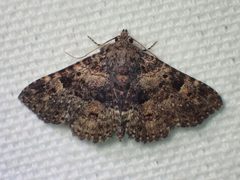
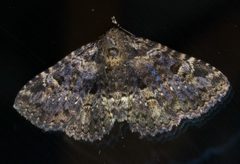
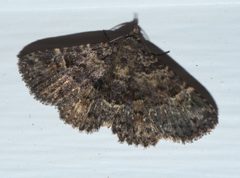
Small with wingspan 20–29 mm. have relatively nondescript, dull coloration typical of many moths in this .
Habitat
Associated with wooded or forested environments where bracket fungi and other persistent fungi occur. Larval directly tied to fungal substrates.
Distribution
Eastern and central North America: from Quebec, Ontario, and Wisconsin east to Maine, south to Florida, west to Texas and Missouri.
Seasonality
active May to September in southern portions of range; June to August in northern portions. Multiple per year likely.
Diet
Larvae feed on bracket fungi and probably other persistent fungi. diet not documented.
Host Associations
- bracket fungi - larval food sourceLarvae have been recorded feeding on bracket fungi
Life Cycle
Multivoltine, with two or more per year. Complete with , larval, pupal, and stages. Larval stage associated with fungal substrates.
Behavior
are . Larvae inhabit fungal fruiting bodies.
Ecological Role
Fungivore; contributes to decomposition of fungal material and nutrient cycling in forest .
Human Relevance
No significant documented economic or agricultural impact. Occasionally encountered by naturalists and enthusiasts.
Similar Taxa
- Other Metalectra speciesSimilar size and appearance; may require genitalia examination or molecular analysis for definitive identification
- Other small Erebidae in BoletobiinaeSimilar general ; association with fungi may help distinguish M. discalis
More Details
Taxonomic history
Originally described as Homopyralis discalis by Grote in 1876, later transferred to Metalectra.