
Cisthene angelus
(Dyar, 1904)
angel lichen moth
Cisthene angelus is a small in the Erebidae, Arctiinae, described by Harrison Gray Dyar Jr. in 1904. It belongs to the lichen moth tribe Lithosiini, characterized by larvae that feed on lichens. The occurs in arid and semi-arid regions of the southwestern United States and northern Mexico. Like other tiger moths in the Cisthene, it likely produces ultrasonic clicks as a defense against bat , though this specific has not been directly documented in C. angelus.
Pronunciation
How to pronounce Cisthene angelus: /sɪsˈθiːni ˈændʒələs/
These audio files are automatically generated. While they are not always 100% accurate, they are a good starting point.
Identification
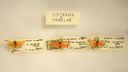
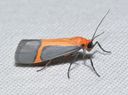
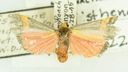
Small with wingspan approximately 15-20 mm. Forewings grayish with variable lichen-like mottling; hindwings typically pale with pink or yellowish tint. Distinguished from similar Cisthene by geographic range and subtle wing pattern differences. Cisthene tenuifascia occurs further east; C. martini has more contrasting markings. Genitalia examination may be required for definitive identification.
Images
Habitat
Arid and semi-arid environments including desert scrub, pinyon-juniper woodlands, and rocky slopes. Associated with lichen-covered rocks and tree bark in these .
Distribution
North America: recorded from southern Nevada and Utah south to southern Arizona and western Texas. Range extends into northern Mexico.
Host Associations
- lichens - larval food sourceinferred from tribe Lithosiini; specific records for C. angelus not documented
Behavior
are and attracted to light. Based on congeneric studies, likely exhibits acoustic aposematism—emitting ultrasonic clicks when approached by echolocating bats. This , documented in Cisthene martini, serves as a warning signal of chemical unpalatability rather than evasive .
Ecological Role
Larval stage contributes to nutrient cycling through consumption of lichens. serve as prey for insectivorous bats and birds. Chemical defenses acquired during larval feeding may render adults unpalatable to .
Similar Taxa
- Cisthene martiniOverlaps in range; distinguished by more contrasting wing patterns and documented acoustic aposematism
- Cisthene tenuifasciaSimilar size and appearance; occurs in more eastern and northern
- Cisthene packardiiSympatric in parts of Arizona; requires genitalia dissection for reliable separation
More Details
Taxonomic history
Originally described as Illice angelus by Dyar in 1904; later transferred to Cisthene. The Cisthene is part of the diverse tiger moth (Arctiinae) now classified within Erebidae.
Conservation status
Not evaluated by IUCN. Appears secure within its limited but intact desert range.
Sources and further reading
- BugGuide
- Wikipedia
- GBIF taxonomy match
- iNaturalist taxon
- NCBI Taxonomy
- Catalogue of Life
- Cisthene-martini - Entomology Today
- Autumn Angelus Archives - Entomology Today
- Cisthene martini Archives - Entomology Today
- Entomologists Discuss Discovery's "Mosquito" Documentary: A Live-Tweet Recap
- Tiger Moths Use Acoustic Aposematism to Deter Bat Predators