
Spilosoma vagans
Boisduval, 1852
Wandering Tiger Moth, Wandering Diacrisia
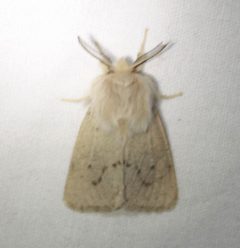
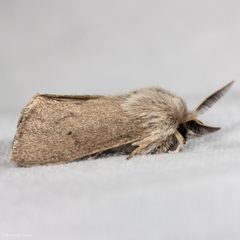
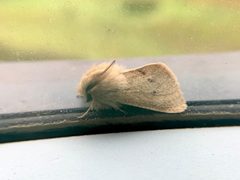
Spilosoma vagans is a tiger moth in the Erebidae, described by Boisduval in 1852. It occurs in western North America from southern California north to southern British Columbia and southwestern Alberta. fly from late April through early August in dry forest . The larvae feed on herbaceous plants.
Pronunciation
How to pronounce Spilosoma vagans: /ˌspaɪloʊˈsoʊmə ˈveɪɡənz/
These audio files are automatically generated. While they are not always 100% accurate, they are a good starting point.
Identification
Forewing length 14–18 mm. Distinguished from similar tiger moths by its western North American distribution and association with dry forest . The specific epithet 'vagans' refers to its wandering or widespread occurrence. Two are recognized: S. v. vagans and S. v. kasloa.
Images
Habitat
Drier forests, including open ponderosa pine forests and mixed hardwood-conifer forests.
Distribution
Western North America: southern California, southern Utah, central Colorado north to southern British Columbia and southwestern Alberta.
Seasonality
on wing from late April to early August.
Diet
Larvae feed on various herbaceous plants.
Similar Taxa
- Spilosoma virginicaAlso called 'yellow bear,' but occurs in eastern North America and lacks black bands as a caterpillar; S. vagans is western in distribution
- Pyrrharctia isabellaThe banded woolly bear, with distinct black-orange-black banding pattern; S. vagans caterpillars differ in coloration and geographic range
Sources and further reading
- BugGuide
- Wikipedia
- GBIF taxonomy match
- iNaturalist taxon
- NCBI Taxonomy
- Catalogue of Life
- Dashing caterpillars predicting weather: Woolly bears, Pyrrharctia Isabella; yellow bears, Spilosoma virginica; and leopard moths, Hypercompe scribionia — Bug of the Week
- Nocturnal hunters: Mexican redrump tarantula, Brachypelma vagans — Bug of the Week
- A friendly encounter with a very large tarantula: Red Rump Tarantula, Tliltocatl vagans — Bug of the Week
- Spider megacolony study breaks publicity records at Pensoft
- Stylish Lepidoptera: Ermine Moth, Atteva aurea; Yellow-Collared Scape Moth, Cisseps fulvicollis; Pearl Crescent, Phyciodes tharos; Variegated Fritillary, Euptoieta claudia — Bug of the Week