
Enteucha
Meyrick, 1915
Species Guides
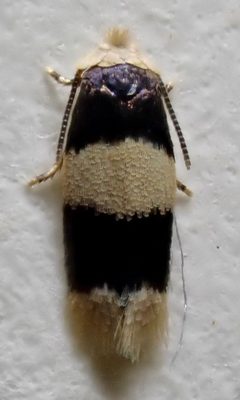
2Enteucha is a of minute in the Nepticulidae, established by Edward Meyrick in 1915. Members of this genus are microlepidoptera, commonly known as pygmy moths or micro moths. The genus is part of the diverse Nepticulidae family, which includes some of the smallest moth . Records from GBIF indicate presence in Denmark and Sweden.
Pronunciation
How to pronounce Enteucha: /ɛnˈteʊ̯.kə/
These audio files are automatically generated. While they are not always 100% accurate, they are a good starting point.
Identification
As a of Nepticulidae, Enteucha are characterized by extremely small body size, with wingspans typically under 5 mm. possess narrow, forewings with distinctive metallic or iridescent scaling patterns. The hindwings are narrow and often have reduced venation with long fringes. Accurate identification to species level requires examination of genitalia and wing venation patterns under magnification.
Images
Distribution
Recorded from Denmark (DK) and Sweden (SE) based on GBIF occurrence data. The likely has a broader Palearctic distribution given the widespread nature of Nepticulidae, but confirmed records are limited to these northern European countries.
Life Cycle
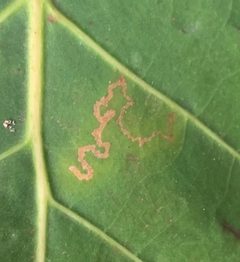
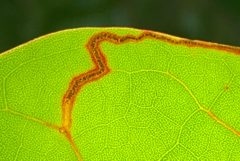
Nepticulidae have larval stages that are leaf miners, feeding internally within plant tissue. Larvae typically create serpentine or blotch mines in leaves. occurs within the mine or in a silken cocoon on the ground or leaf surface. Specific plants and details for Enteucha are not well documented.
Behavior
are or , often active during daylight hours. They exhibit characteristic rapid, fluttering patterns typical of microlepidoptera. Males are attracted to light, though less strongly than many larger .
Ecological Role
As leaf-mining larvae, in this contribute to nutrient cycling through their herbivory on living plant tissue. They serve as prey for and other natural enemies. The genus represents part of the high diversity of microlepidoptera in temperate .
Human Relevance
No significant direct economic impact. are of interest to lepidopterists and researchers studying microlepidoptera diversity. Some species may be indicators of quality or plant composition due to specific associations.
Similar Taxa
- StigmellaAnother large in Nepticulidae with similar minute size and leaf-mining larvae; distinguished by differences in genitalia structure and wing pattern details
- EctoedemiaNepticulid with overlapping ; separation requires examination of male genitalia and specific wing markings
More Details
Taxonomic note
The Enteucha was established by Edward Meyrick, a prolific British entomologist who described numerous microlepidoptera genera in the early 20th century. The authorship is consistently cited as Meyrick, 1915 across major taxonomic databases.
Research status
The remains poorly studied with limited -level documentation. Most Nepticulidae genera require extensive revision using modern molecular and morphological methods.