
Korscheltellus lupulina
(Linnaeus, 1758)
Common Swift Moth
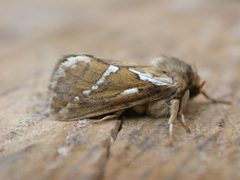
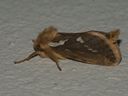
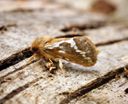
Korscheltellus lupulina, commonly known as the Common Swift , is a hepialid moth native to Europe and parts of northern Asia. It was previously classified in the Hepialus but was moved to Korscheltellus based on morphological and phylogenetic studies. The is frequently observed and often abundant across its range. It is one of several swift moth species characterized by rapid, darting patterns and reduced mouthparts in the stage.
Pronunciation
How to pronounce Korscheltellus lupulina: /kɔrˈʃɛltɛləs luˈpuːlɪna/
These audio files are automatically generated. While they are not always 100% accurate, they are a good starting point.
Identification
Distinguished from other European Hepialidae by the combination of: brown forewings with variable but generally subdued patterning (lacking strong contrasting bands of some relatives); rapid, erratic low over vegetation; and early flight period (May–July). Separated from Korscheltellus fusconebulosa (Map-winged Swift) by less distinct forewing markings—K. fusconebulosa has more prominent dark brown patches creating a map-like pattern. Separated from Hepialus humuli () by smaller size, darker coloration, and different flight period (H. humuli flies June–August). Genitalia examination may be required for definitive identification of worn specimens.
Images
Habitat
Found in diverse open including grasslands, meadows, pastures, road verges, gardens, and woodland clearings. Tolerates disturbed and anthropogenic environments. Larvae develop in soil, requiring areas with root systems of herbaceous plants.
Distribution
Europe (widespread and common), including British Isles, Scandinavia, and Mediterranean regions. Extends eastward through northern Asia excluding China. Absent from North Africa. Records confirmed from Belgium (Antwerp province) and throughout temperate European range.
Seasonality
fly from May to July in most of range, with peak activity typically in June. Single-brooded (). Larvae present year-round in soil, feeding on roots.
Host Associations
- Herbaceous plants - larval foodplantLarvae feed on roots of various herbaceous plants including grasses and forbs. Specific records include Medicago lupulina (black medick), Plantago , and various grasses.
Life Cycle
laid singly or in small groups on vegetation or soil surface; hatch within 2–3 weeks. Larvae feed on plant roots, developing slowly over 2–3 years. occurs in underground ; pupa overwinters. emerge in spring, do not feed, and live approximately 1–2 weeks. Single per year.
Behavior
exhibit rapid, darting close to ground vegetation, often described as 'swift-like'—the source of the . Flight is most active in late afternoon and evening, particularly in warm, calm conditions. Adults do not visit flowers or feed. Males patrol territories and may form small -like . Females broadcast while in flight, dropping them onto suitable vegetation or soil.
Ecological Role
Larvae act as root herbivores, potentially affecting plant composition in high- . serve as prey for bats, birds, and insectivorous insects. Soil-dwelling larvae contribute to soil aeration and nutrient cycling through burrowing activity.
Human Relevance
Occasional minor pest in gardens and lawns when larval densities are high, causing yellowing or dieback of turf and herbaceous plants. Generally not economically significant. Used as in ecological studies due to abundance and ease of identification. Subject of citizen science monitoring in Europe.
Similar Taxa
- Korscheltellus fusconebulosaMap-winged Swift has more distinct dark brown patches on forewings creating map-like pattern; flies slightly later (June–August); genitalia differ.
- Hepialus humuli is larger (wingspan 46–70 mm), males are white, females are yellow-brown; flies June–August; larvae feed on roots of trees and shrubs rather than herbs.
- Pharmacis fusconebulosaFormerly confused with K. fusconebulosa; now recognized as distinct with different genitalia and more northern distribution.
More Details
Taxonomic history
Transferred from Hepialus to Korscheltellus in 1993 based on morphological and molecular data. The Korscheltellus was erected to accommodate with distinct genitalia and wing venation patterns.
Conservation status
Not evaluated by IUCN; considered common and widespread with no significant threats identified. Benefits from open management and tolerates moderate anthropogenic disturbance.