
Phyllocnistinae
Herrich-Schäffer, 1857
Genus Guides
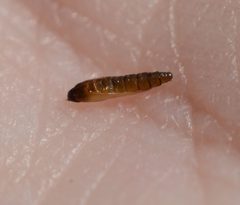
1Phyllocnistinae is a of leaf-mining within Gracillariidae. The group contains the Phyllocnistis, whose larvae are specialized serpentine leaf miners that feed between the upper and lower surfaces of plant leaves. Members occur in tropical and subtropical regions worldwide, with some achieving pest status on economically important crops.
Pronunciation
How to pronounce Phyllocnistinae: //ˌfɪloʊˈknɪstɪnaɪ//
These audio files are automatically generated. While they are not always 100% accurate, they are a good starting point.
Identification
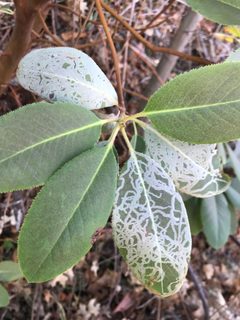
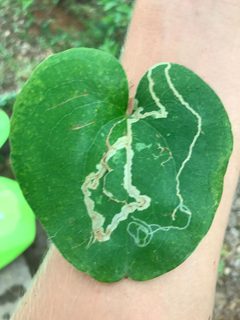
Larvae create distinctive serpentine (snake-like) mines in leaves, often visible as pale trails on the leaf surface. Mines typically widen slightly as the larva grows and may terminate in a small pupal chamber. are small with narrow wings; specific identification requires examination of genitalia and wing venation patterns.
Images
Habitat
Tropical and subtropical forests, agricultural areas, and citrus groves. occupy environments where their plants occur, from lowland regions to montane central highlands.
Distribution
Widespread in tropical and subtropical regions: Asia (Japan, India, Taiwan, Indonesia, Philippines), Australia, Pacific islands (Hawaii), the Americas (Central America, Florida, Neotropics), and other citrus-growing regions worldwide.
Diet
Larvae feed on leaf tissue between epidermal layers, creating serpentine mines. Recorded plants include Citrus (Rutaceae), Drimys granadensis (Winteraceae), Gaiadendron punctatum (Loranthaceae), and Tropaeolum emarginatum (Tropaeolaceae).
Host Associations
- Citrus species - larval major for P. citrella
- Drimys granadensis - larval for P. drimiphaga
- Gaiadendron punctatum - larval for P. maxberryi
- Tropaeolum emarginatum - larval for P. tropaeolicola
Life Cycle
deposited on leaves. Larvae hatch and immediately enter leaf tissue, mining between upper and lower while feeding. Larval development occurs entirely within the mine; takes place within the leaf mine or in a slight chamber at the mine terminus. emerge from pupal cases to mate and oviposit.
Behavior
Larvae are obligate leaf miners, creating visible serpentine trails as they feed. occurs within the mine without constructing an external cocoon. males of some are attracted to specific compounds, including (7Z-11Z)-7,11-hexadecadienal.
Ecological Role
Larvae function as folivores that damage leaf tissue. Serve as for (Encyrtidae, Eulophidae), contributing to local . Some are significant agricultural pests affecting crop productivity.
Human Relevance
Phyllocnistis citrella () is a potentially serious pest of citrus, discovered in Florida in 1993, causing economic damage to citrus production. Subject to programs and management through -based .
Similar Taxa
- Other Gracillariidae subfamiliesPhyllocnistinae distinguished by strictly serpentine leaf-mining habit and within the mine; other often have blotch mines, external pupation, or different mine morphologies
- LyonetiinaeSome Lyonetiinae also create linear mines, but typically have different habits and morphological features
Sources and further reading
- BugGuide
- Wikipedia
- iNaturalist taxon
- NCBI Taxonomy
- Catalogue of Life
- Citrus Leafminer, Phyllocnistis citrella Stainton (Insecta: Lepidoptera: Phyllocnistinae)
- Systematics, host plants, and life histories of three new Phyllocnistis species from the central highlands of Costa Rica (Lepidoptera, Gracillariidae, Phyllocnistinae)