
Leucospilapteryx
Spuler, 1910
Species Guides
1Leucospilapteryx is a of small in the Gracillariidae, first described by Spuler in 1910. The genus contains three recognized distributed across parts of Europe and North America. Members of this genus are leaf-mining moths, with larvae that feed internally on plant tissues. The genus is classified within the Acrocercopinae.
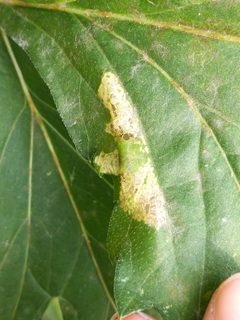
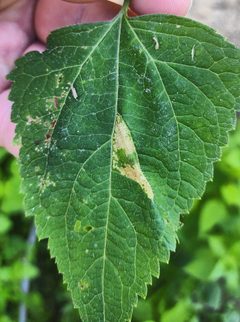
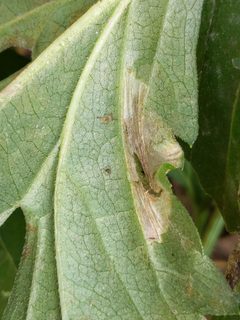
Pronunciation
How to pronounce Leucospilapteryx: /ˌljuːkoˌspɪlæpˈtɛrɪks/
These audio files are automatically generated. While they are not always 100% accurate, they are a good starting point.
Identification
Leucospilapteryx are small gracillariid with wingspans typical of the . The name refers to white (leuco-) spotted (spila-) wings (-pteryx), suggesting distinctive wing patterning. Species-level identification requires examination of genitalia and plant associations; L. omissella and L. venustella are known from Europe, while L. anaphalidis is recorded from Japan. Distinguishing Leucospilapteryx from related genera such as Phrixe or Caloptilia requires knowledge of gracillariid .
Images
Habitat
correspond to those of plants used by larvae. L. omissella has been recorded from Chenopodium and Atriplex in disturbed and coastal habitats. L. venustella is associated with grape (Vitis) and related Vitaceae. Specific habitat requirements for L. anaphalidis are poorly documented.
Distribution
Europe: recorded from Denmark (DK) and Sweden (SE). North America: present in Vermont and other parts of the United States. L. anaphalidis is known from Japan. Distribution data are incomplete and likely underrepresented due to the small size and specialized of these .
Diet
Larvae are leaf miners. L. omissella feeds on Chenopodiaceae including Chenopodium and Atriplex. L. venustella feeds on Vitaceae including Vitis . Specific plants for L. anaphalidis are not documented in available sources. do not feed; they possess reduced or non-functional mouthparts typical of many gracillariids.
Host Associations
- Chenopodium - larval L. omissella
- Atriplex - larval L. omissella
- Vitis - larval L. venustella
Life Cycle
Complete with , larva, pupa, and stages. Larvae are internal feeders, creating blotch or serpentine mines in leaves. occurs within the mine or in a silken cocoon on the leaf surface. Specific timing of life stages varies by and latitude. stage is not documented for most species.
Behavior
are and attracted to light. Larvae are solitary miners. No other documented .
Ecological Role
As leaf miners, larvae contribute to herbivore pressure on plants. are known to attack gracillariid larvae, though specific associations for Leucospilapteryx are not documented. The is not considered economically significant.
Human Relevance
L. venustella occasionally mines leaves of cultivated grape (Vitis vinifera), but is not a major pest. No other documented human interactions.
Similar Taxa
- CaloptiliaSimilar size and wing shape; Caloptilia typically have more elongate wings and different resting posture with wings held steeply roof-like. Caloptilia larvae often fold or roll leaves rather than mine exclusively.
- PhrixeAnother Acrocercopinae with similar ; separation requires examination of genitalia and plant associations.
More Details
Taxonomic history
The was established by Spuler in 1910. were subsequently transferred from other genera, including Elachista (L. omissella and L. venustella). The placement in Acrocercopinae reflects recent molecular phylogenetic studies, though gracillariid classification remains under revision.