Lobocleta peralbata
(Packard, 1873)
Speckled Wave
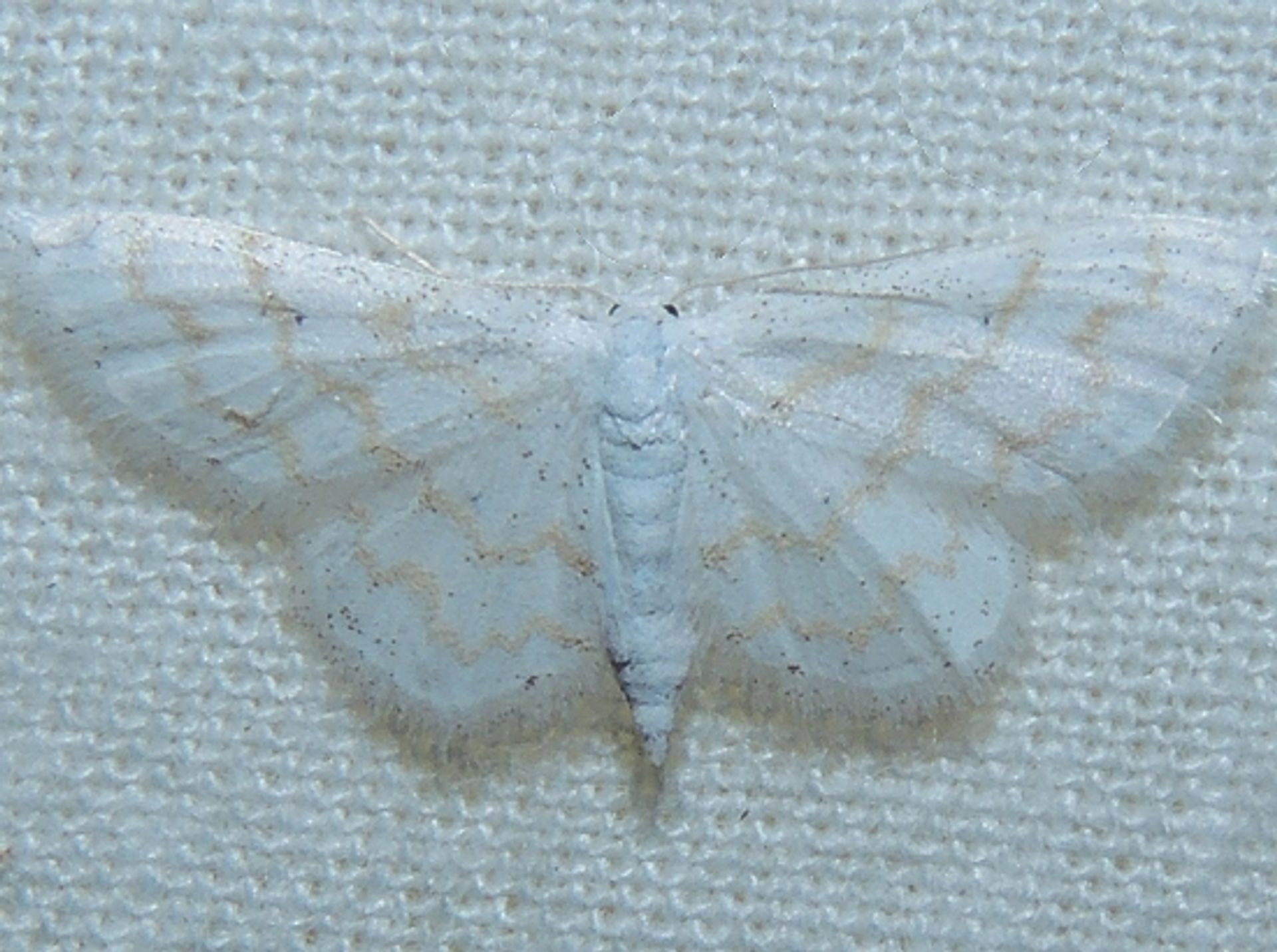
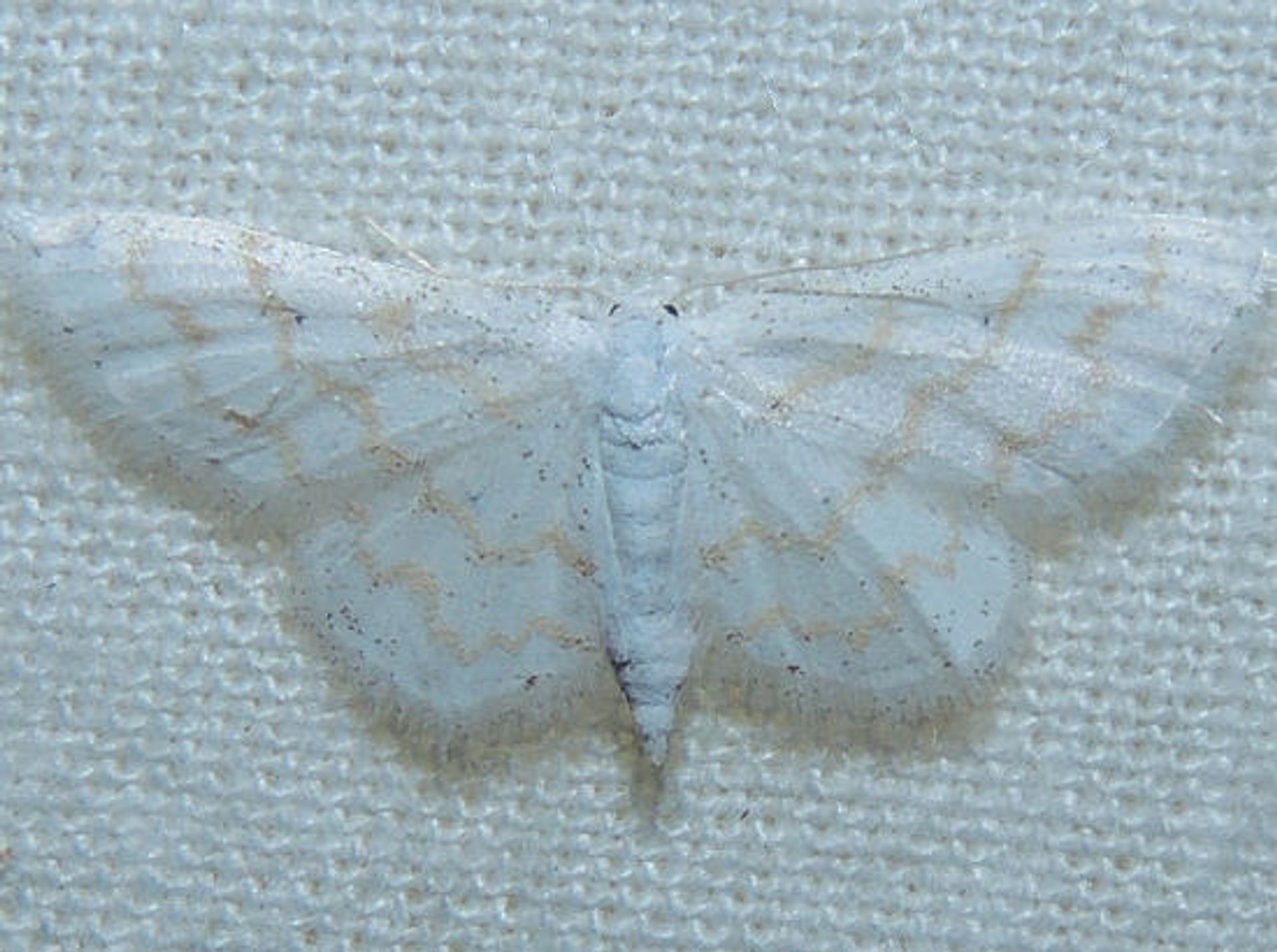
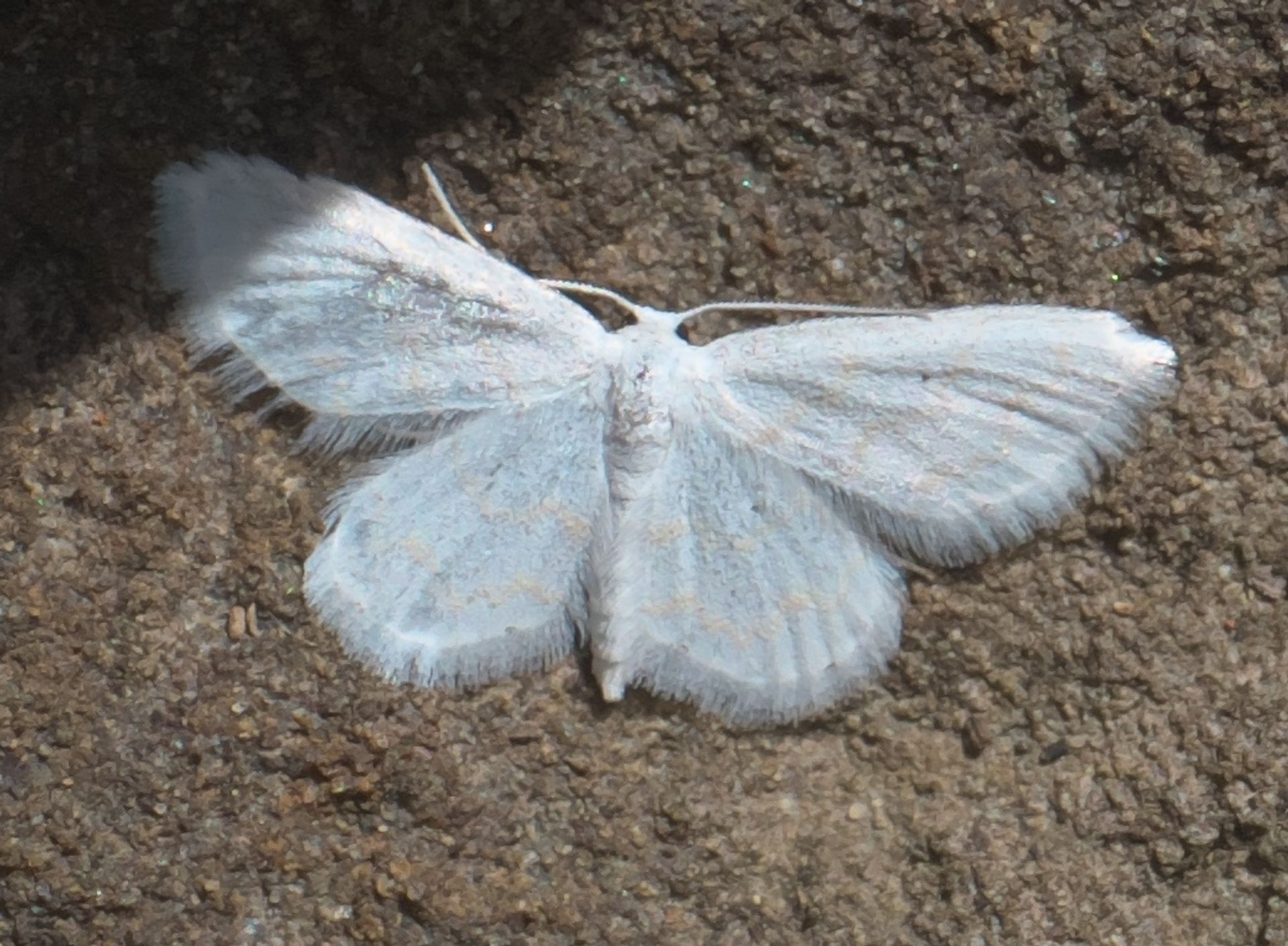
Lobocleta peralbata is a small geometrid known as the Speckled Wave, with a wingspan of 11–20 mm. It is widespread across the southeastern and southwestern United States. are active nearly year-round, from December through September. The belongs to the Sterrhinae, which includes many small wave moths with delicate patterning.
Pronunciation
How to pronounce Lobocleta peralbata: /ˌloʊbəˈkliːtə pərˈælbəˌtɑː/
These audio files are automatically generated. While they are not always 100% accurate, they are a good starting point.
Identification
Distinguished from other Lobocleta by its predominantly white to pale gray ground color with fine, scattered dark speckling rather than bolder markings or stripes. The combination of small size (under 20 mm wingspan), pale coloration, and subtle wavy patterning separates it from larger or more contrastingly marked geometrids in the same region. Similar species in the may show more pronounced brown or gray banding.
Images
Appearance
A small with wingspan 11–20 mm. Wings are predominantly white to pale gray with fine speckling and wavy transverse lines characteristic of wave moths. Patterning is subtle, with scattered dark dots and faint undulating markings across the wings. Body is slender and matches the pale wing coloration.
Habitat
Found in open, dry across its range, including scrublands, grasslands, and open woodlands. Specific microhabitat preferences are not well documented.
Distribution
North America, recorded from Arizona eastward to Florida and north to North Carolina. Present across the southeastern and southwestern United States with a gap in the central plains region.
Seasonality
active from December through September, with peak activity likely during warmer months. This extended period suggests multiple or continuous breeding in favorable climates.
Behavior
are and attracted to light. activity spans most of the year in warmer parts of its range.
Similar Taxa
- Other Lobocleta speciesShare small size and wave patterning but differ in ground color intensity and marking boldness; some have more pronounced brown or gray bands
- Idaea spp.Other small geometrids with similar size and patterning, but typically show more distinct spotting or different wing shapes
More Details
Taxonomic note
Originally described by Packard in 1873. The Lobocleta is placed in Sterrhinae, a group of small to medium geometrids often called wave moths or carpet moths due to their characteristic wavy wing patterns.
Observation data
The has accumulated over 2,200 observations on iNaturalist, indicating it is frequently encountered and relatively well-documented photographically, though detailed biological studies remain limited.