
Lobocleta
Warren, 1906
Species Guides
7- Lobocleta granitaria
- Lobocleta griseata
- Lobocleta lanceolata
- Lobocleta ossularia(Drab Brown Wave)
- Lobocleta peralbata(Speckled Wave)
- Lobocleta plemyraria(Straight-lined Wave)
- Lobocleta quaesitata
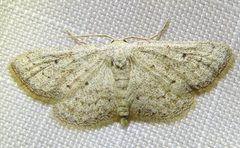
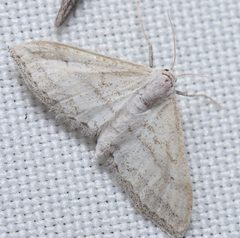
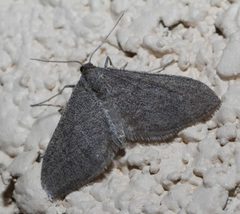
Lobocleta is a of in the Geometridae, Sterrhinae, erected by Warren in 1906. It belongs to the diverse group of geometrid moths commonly known as inchworms or loopers. The genus has been documented in North America with distribution records from the United States, including Vermont. As a member of Sterrhinae, it is part of one of the most -rich subfamilies within Geometridae.
Pronunciation
How to pronounce Lobocleta: /loʊˈbɒklɪtə/
These audio files are automatically generated. While they are not always 100% accurate, they are a good starting point.
Identification
Identification to level requires examination of genitalia and wing pattern characteristics typical of Sterrhinae. Members of Lobocleta can be distinguished from related genera in Sterrhinae by specific wing venation and male genitalic structures, though precise diagnostic features require taxonomic knowledge. The genus is small-bodied with relatively broad wings compared to some other geometrid groups.
Images
Distribution
Documented from the United States, with specific records from Vermont. The occurs in North America.
Similar Taxa
- IdaeaBoth belong to Sterrhinae and share similar small size and broad-winged appearance; distinguished by genitalic and wing pattern differences
- ScopulaAnother Sterrhinae with overlapping geographic range and morphological similarity; Lobocleta generally have more uniform wing patterns
More Details
Taxonomic History
The was established by William Warren in 1906 within Geometridae. Its placement in Sterrhinae reflects current molecular and morphological phylogenetic studies of the .
Observation Data
iNaturalist records indicate substantial observation effort (over 13,000 observations at level), suggesting Lobocleta is relatively frequently encountered in its range, though many records may represent unidentified or tentatively identified specimens.