Eupithecia unicolor
(Hulst, 1896)
Pug Moth
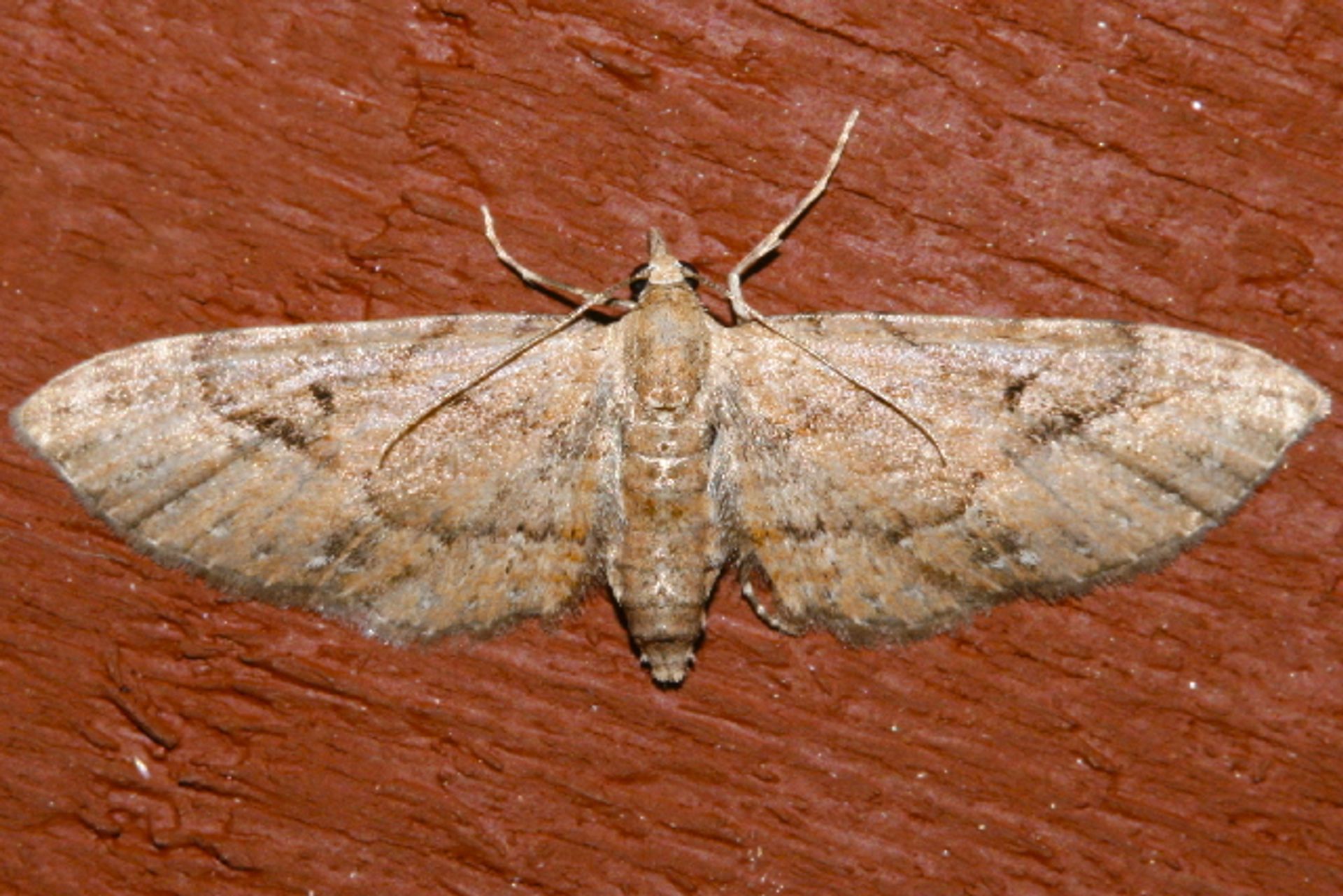
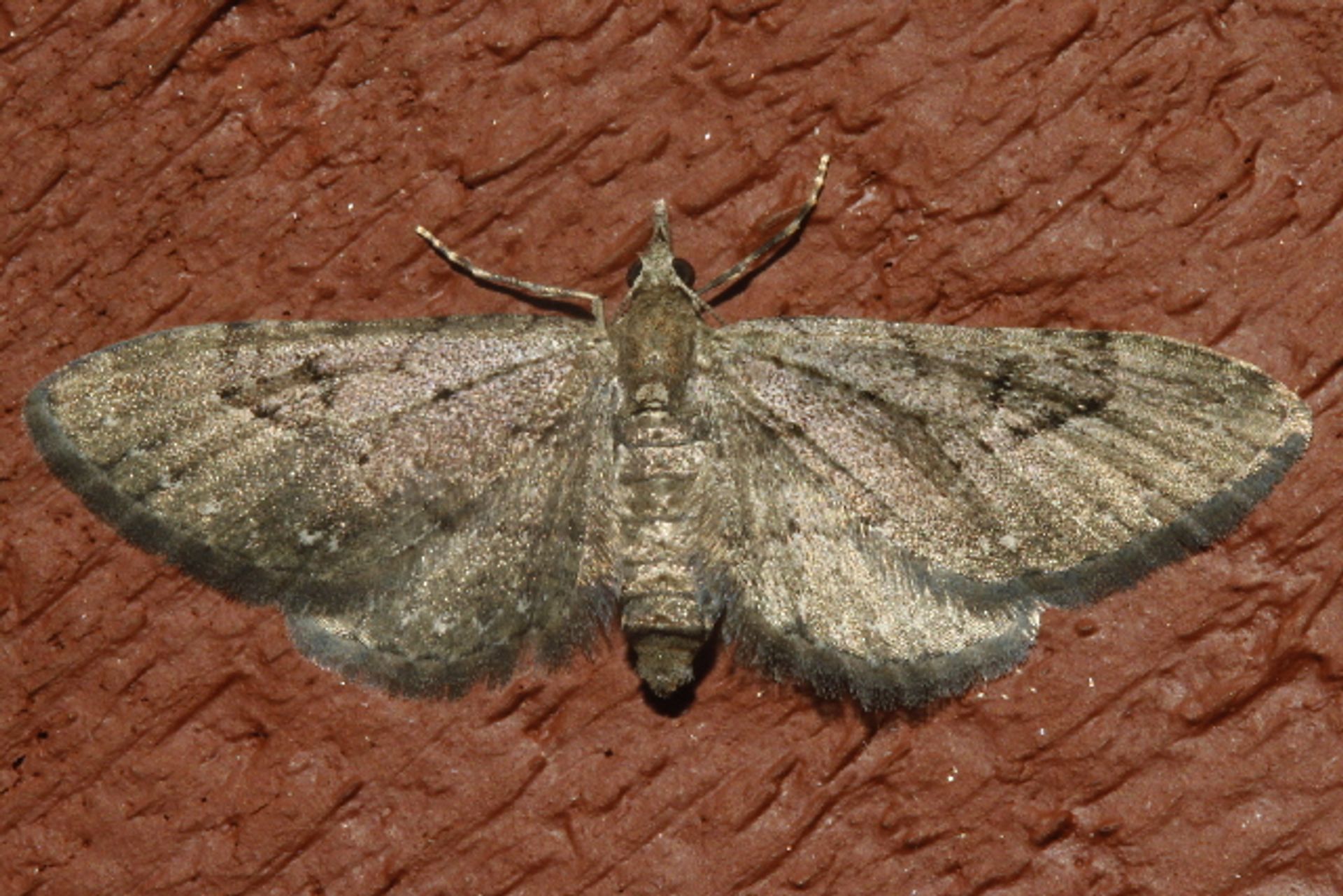
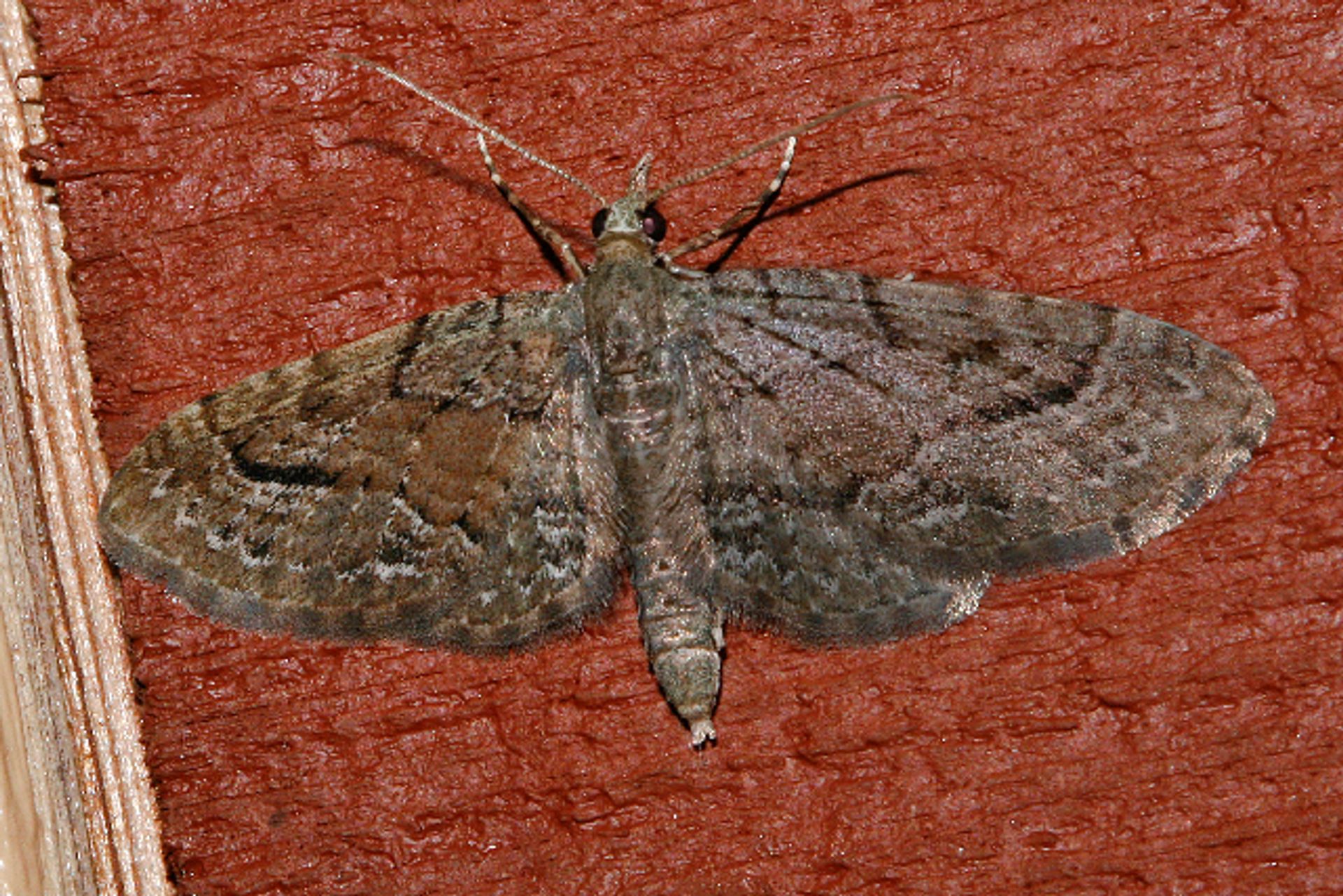
Eupithecia unicolor is a small geometrid native to western North America. are active from spring through late autumn, with a wingspan of approximately 21 mm. The is notable for its narrow wings and characteristic resting posture typical of pug moths. Larvae feed on coniferous trees including juniper, western redcedar, and Alaska cedar.
Pronunciation
How to pronounce Eupithecia unicolor: /juːˈpɪθɪkiə juːˈnɪkəlɔr/
These audio files are automatically generated. While they are not always 100% accurate, they are a good starting point.
Identification
Members of the Eupithecia are readily recognized by their narrow wings and unique resting posture. Specific identification of E. unicolor requires examination of genitalia or other subtle morphological characters, as many Eupithecia appear similar superficially.
Images
Appearance
have a wingspan of about 21 mm. Full-grown larvae reach approximately 20 mm in length.
Habitat
Associated with coniferous forests containing trees including Juniperus scopulorum, Thuja plicata, and Chamaecyparis nootkatensis.
Distribution
Western North America: from British Columbia south to California.
Seasonality
recorded on wing from May to November. Larvae present from April to May. occurs in June. Overwinters as mid-instar larva.
Diet
Larvae feed on Juniperus scopulorum (Rocky Mountain juniper), Thuja plicata (western redcedar), and Chamaecyparis nootkatensis (Alaska cedar). feeding habits not documented.
Host Associations
- Juniperus scopulorum - larval Rocky Mountain juniper
- Thuja plicata - larval western redcedar
- Chamaecyparis nootkatensis - larval Alaska cedar
Life Cycle
stage not documented. Larval stage: full-grown larvae reach about 20 mm, found April–May. Overwinters as mid-instar larva. occurs in June. spans May through November.
Behavior
; attracted to light.
Ecological Role
Larval herbivore on coniferous trees. have been observed visiting apple flowers and may contribute to pollination.
Human Relevance
Has been documented as a visitor to apple flowers, suggesting potential role in pollination of agricultural crops.
Similar Taxa
- Other Eupithecia speciesMany pug moths in this appear superficially similar; -level identification typically requires dissection and examination of genitalia.
More Details
Pollination observation
A 2021 study on apple pollination in Arkansas documented Eupithecia (including E. unicolor) visiting apple flowers at night, contributing to pollination services.
Sources and further reading
- BugGuide
- Wikipedia
- GBIF taxonomy match
- iNaturalist taxon
- NCBI Taxonomy
- Catalogue of Life
- Cicindela scutellaris lecontei x scutellaris unicolor intergrades in southeast Missouri | Beetles In The Bush
- Oregon Researchers Find a Native Wasp With a Taste for Stink Bugs
- P.M. Pollinators: Study Shines Light on Nocturnal Insects' Role in Apple Production
- Bug Eric: New Mexico Night Bugs