
Rindgea maricopa
(Hulst, 1898)
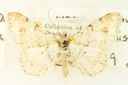
Rindgea maricopa is a of geometrid described by George Duryea Hulst in 1898. The species is currently treated as a synonym of Digrammia maricopa, reflecting ongoing taxonomic revisions within the Geometridae. Like other members of this , it is a moth with larvae that are likely folivorous, though specific details about its remain poorly documented. The species epithet "maricopa" references Maricopa County or the Maricopa region of Arizona, suggesting a southwestern North American distribution.
Pronunciation
How to pronounce Rindgea maricopa: /ˈrɪndʒiːə ˌmærɪˈkoʊpə/
These audio files are automatically generated. While they are not always 100% accurate, they are a good starting point.
Images
Distribution
Southwestern North America, specifically associated with the Maricopa region of Arizona based on the epithet. The type locality and precise range are not well documented in available sources.
Similar Taxa
- Digrammia maricopaRindgea maricopa is currently synonymized under Digrammia maricopa, making these names refer to the same biological entity under different taxonomic treatments. Digrammia is the accepted in current classifications.
- Other Digrammia speciesMembers of Digrammia share similar wing patterns, body shape, and larval habits as geometrid moths, requiring genitalia examination or molecular analysis for definitive identification.
More Details
Taxonomic Note
The Rindgea was established by Rindge in 1958 for a group of geometrid moths previously placed in other genera. Subsequent revisions have moved many Rindgea , including R. maricopa, into the genus Digrammia. This reflects the complex and ongoing taxonomic history of the Geometridae, particularly the Ennominae. The original description by Hulst (1898) predates modern phylogenetic methods, and the species has been reclassified multiple times.
Etymology
The specific epithet "maricopa" derives from the Maricopa people, an group of the Gila River region in Arizona, or from Maricopa County, Arizona. This naming convention is common in southwestern North American entomology, where many are named after local geographic features or Indigenous groups.
Sources and further reading
- BugGuide
- GBIF taxonomy match
- Pogonomyrmex maricopa Archives - Entomology Today
- The Painful but Fascinating Stings of Harvester Ants
- Heroes, Not Headaches: Reframing the Reputation of Harvester Ants
- Steve Naranjo: Having an Impact and Making a Difference
- Bug Eric: False Chinch Bugs
- Researchers Share New Method for Detecting Insect Egg Predators