Scythris trivinctella
(Zeller, 1873)
banded scythris moth
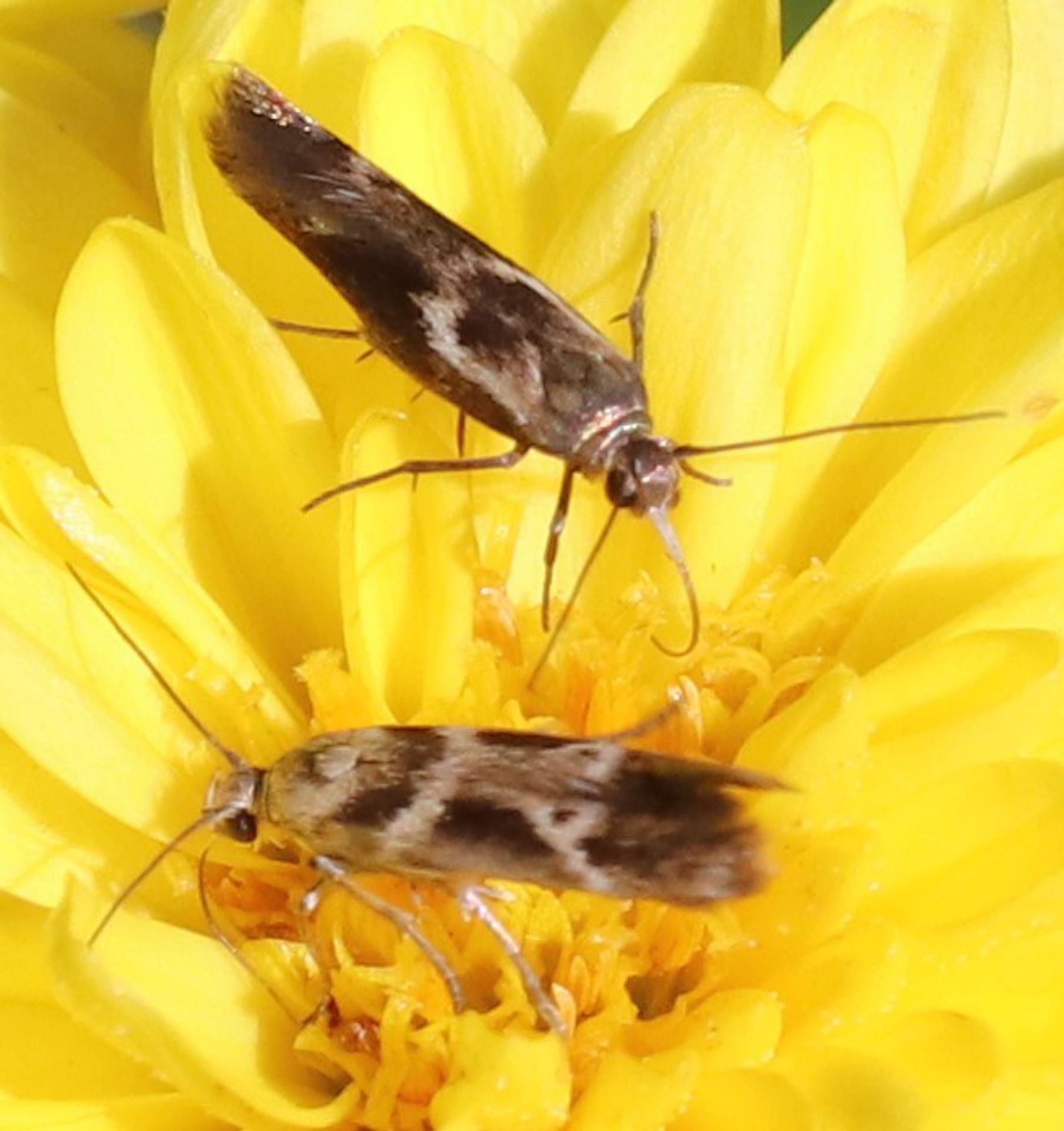
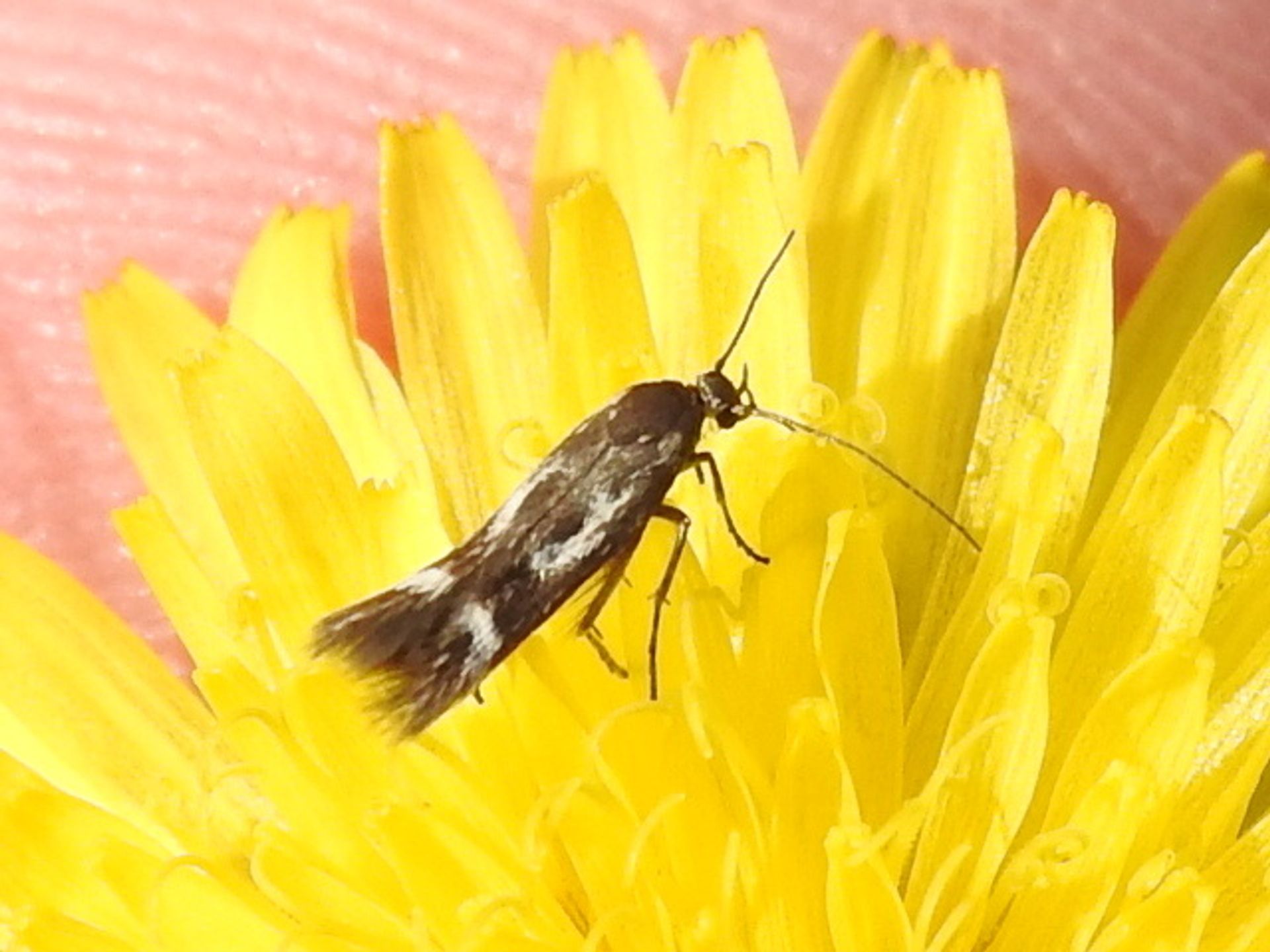
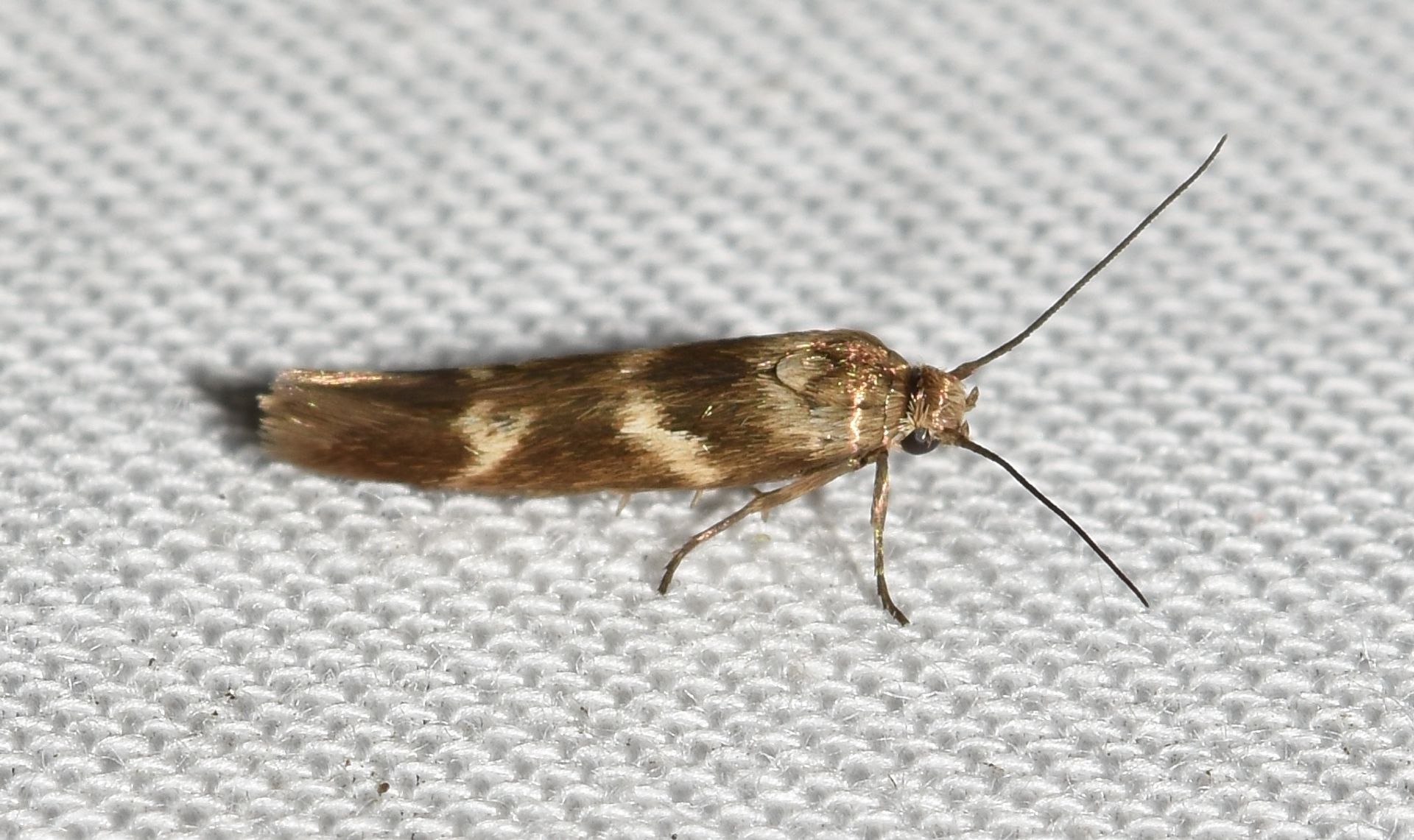
Scythris trivinctella is a small North American in the Scythrididae, commonly known as the banded scythris moth. It is one of the most frequently observed scythridid , with nearly 4,000 iNaturalist records. are active across a broad geographic range from New England to southern British Columbia and south to Mexico. The species was described by Zeller in 1873.
Pronunciation
How to pronounce Scythris trivinctella: //ˈsɪθ.rɪs ˌtraɪ.vɪŋkˈtɛl.ə//
These audio files are automatically generated. While they are not always 100% accurate, they are a good starting point.
Identification
Distinguished from other Scythrididae by the three pale transverse bands on the forewings. Similar in the Scythris and related genera (Neoscythris, Landryia) often lack this distinct banded pattern or show different band arrangements. Genitalia examination may be required for definitive identification, as many scythridid species remain undescribed and external can be subtle.
Images
Appearance
Small with wingspan of 11–12 mm. Forewings typically show three distinct pale transverse bands against a darker background, creating the 'banded' appearance referenced in the . Body slender and delicate, typical of microlepidopterans in this .
Habitat
Occurs in open, dry including prairie, grassland, and scrubland. Associated with herbaceous vegetation and flowering plants, particularly composites (Asteraceae). have been observed on flowering shrubs in disturbed areas such as roadside embankments.
Distribution
North America: New England south to Florida, west through Great Plains states to Texas and Arizona, south into Mexico, north to southern British Columbia. Also recorded from Utah and eastern Oregon.
Seasonality
active during late summer and fall; records from August through October based on observation data and collecting events.
Diet
Larvae feed internally on Amaranthus hybridus (smooth pigweed).
Host Associations
- Amaranthus hybridus - larval plantlarvae feed internally on this plant
Behavior
are and frequently found resting on or flying among flowers of herbaceous plants and shrubs. Often occur in on flowering vegetation. Nervous disposition makes them difficult to approach for observation or photography.
Ecological Role
Larvae function as internal feeders on plants. may serve as of small-flowered plants and as prey for insectivorous birds and other arthropods.
Human Relevance
No significant economic importance. Of interest to lepidopterists and naturalists studying microlepidopteran diversity. Frequently photographed by macro photographers due to its small size and accessible habits.
Similar Taxa
- Scythris mixaulaSimilar size and but feeds on cactus and is abundant in western states; lacks the three-banded forewing pattern
- Neoscythris spp.Related of similar size and habits; distinguished by genitalia and subtle external morphological differences
- Landryia spp.Related with strikingly asymmetrical genitalia; external often similar
More Details
Taxonomic history
Originally described as Butalis trivinctella by Zeller in 1873; later transferred to Scythris. placement has varied: treated as Scythrididae by some authorities, or as Scythridinae of Xylorictidae by others.
Research status
The Scythris and related genera are in need of taxonomic revision. Many remain undescribed despite being collected for decades. Powell (2010) noted that most genera in this group have dozens of known species but only 4–6 formally described.