Scythris inspersella
(Hübner, 1817)
Norfolk owlet
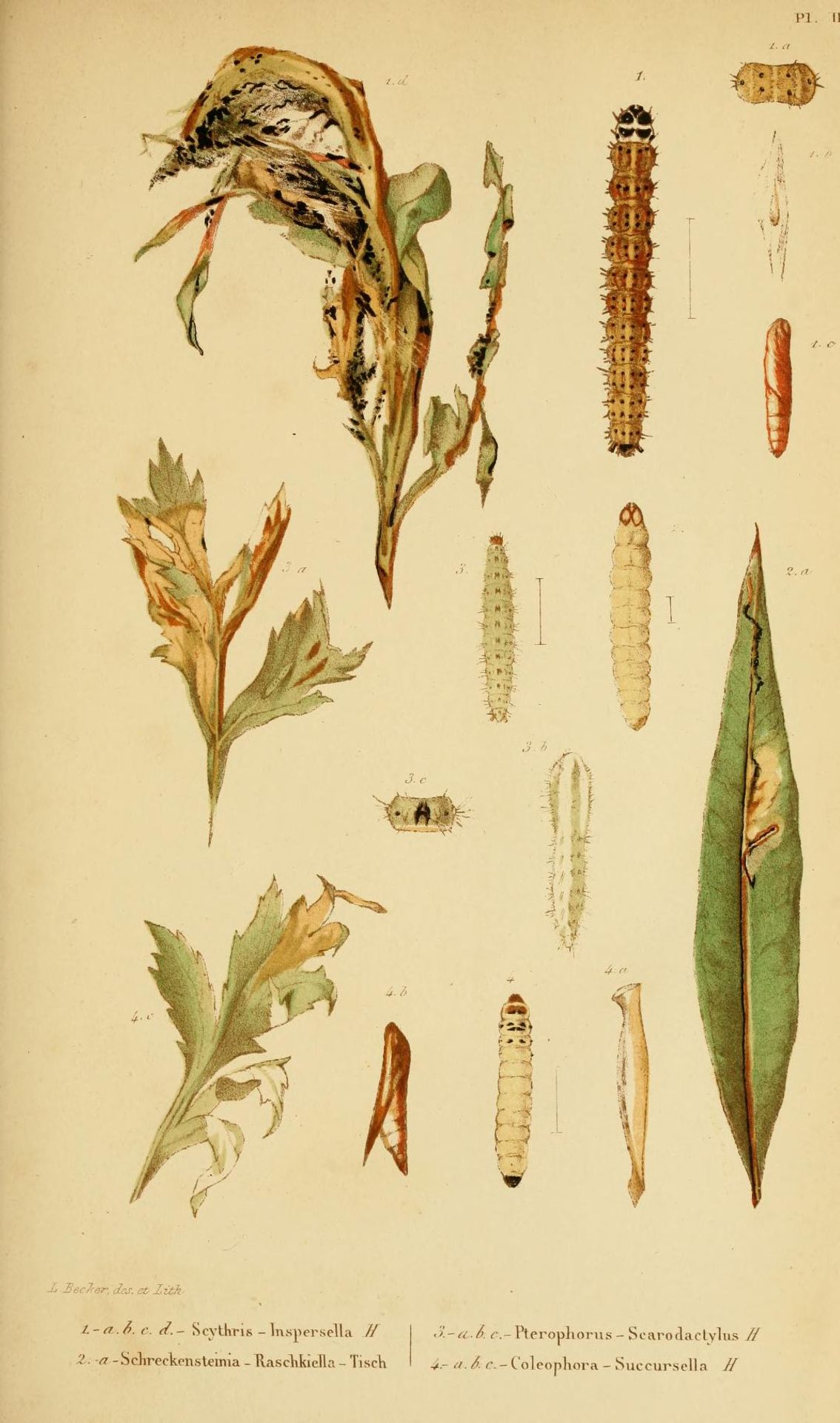
Scythris inspersella, commonly known as the Norfolk owlet, is a small in the Scythrididae first described by Jacob Hübner in 1817. It has a Holarctic distribution spanning Asia, Europe, and North America. The is and has been observed visiting flowers during its July–August period. Its larvae feed gregariously on willowherbs (Onagraceae), spinning together the terminal shoots of their plants.
Pronunciation
How to pronounce Scythris inspersella: /ˈsɪθ.rɪs ɪn.spərˈsɛl.ə/
These audio files are automatically generated. While they are not always 100% accurate, they are a good starting point.
Identification
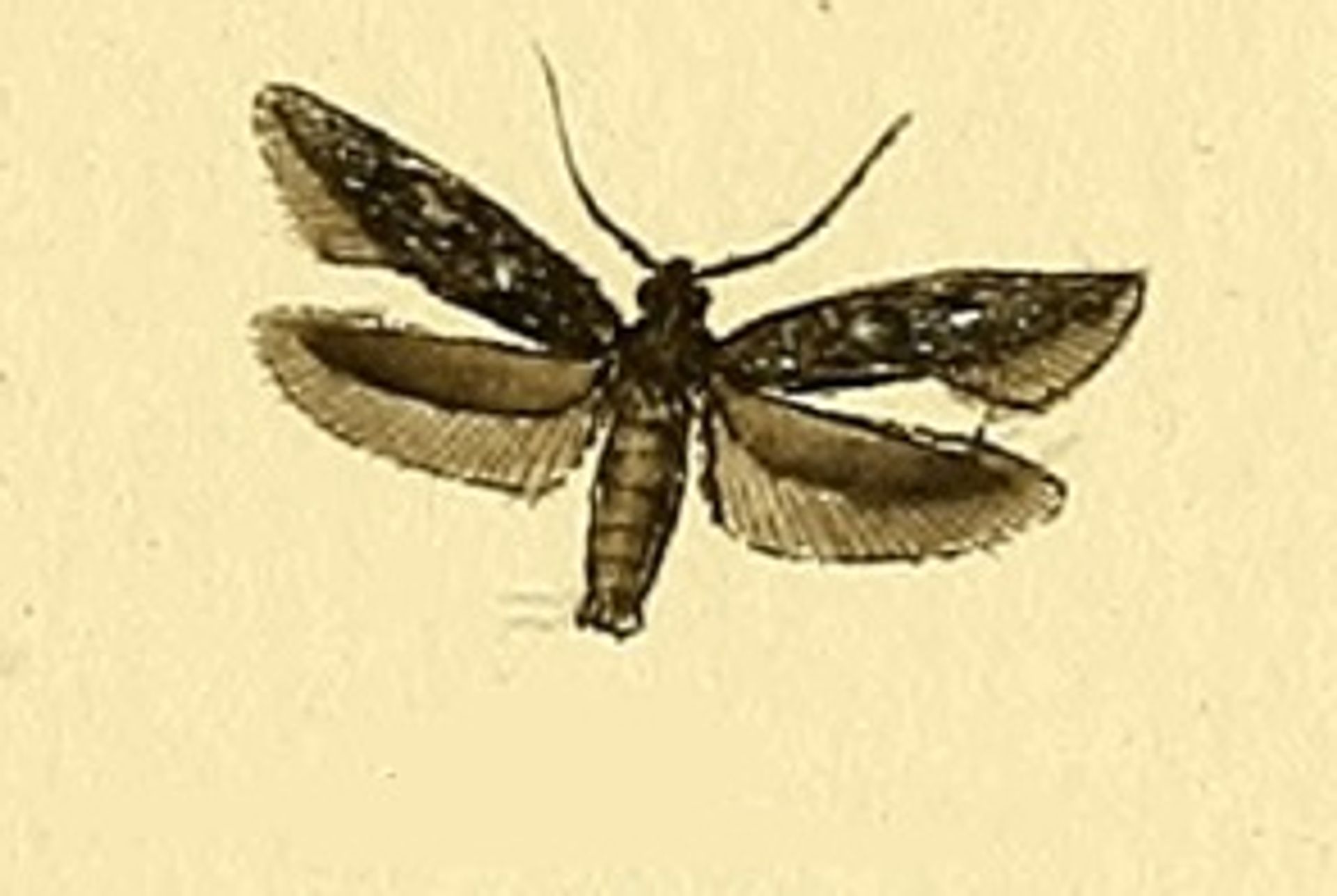
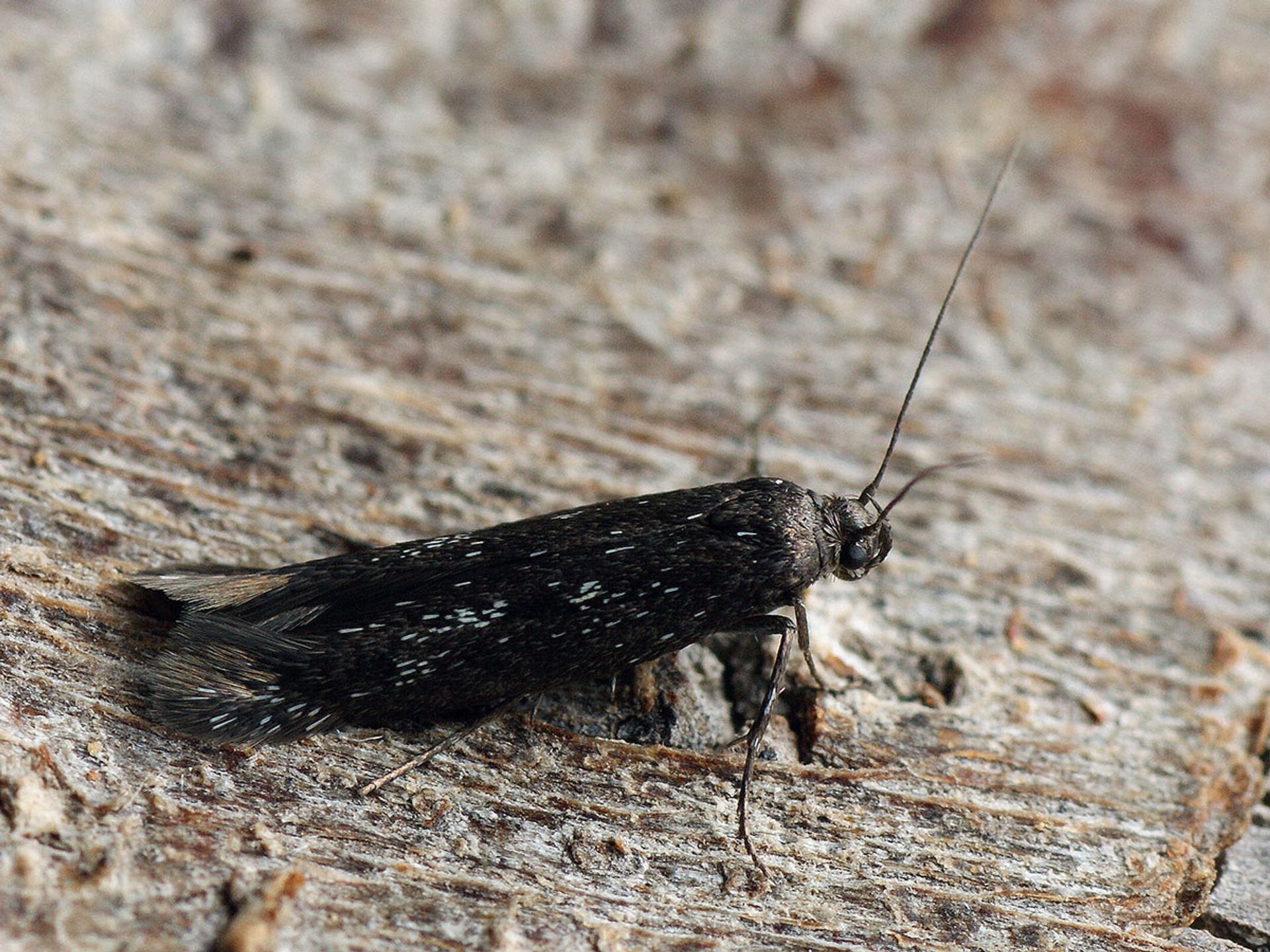
Distinguished from similar Scythris by the combination of black forewings with blueish-white scaling and dark ochreous brown hindwings. The flower-visiting during July–August, combined with the specific wing pattern, aids identification. Larval association with willowherb species (Chamerion angustifolium, Epilobium montanum, Epilobium hirsutum) provides additional diagnostic context where present.
Images
Habitat
Associated with stands of willowherb plants (Chamerion angustifolium, Epilobium montanum, Epilobium hirsutum), typically in open or disturbed where these plants grow.
Distribution
Holarctic distribution: recorded from Asia, Europe, and North America. In Great Britain, first recorded from Hockwold, Norfolk in 1977 (identified 1980), with subsequent records from elsewhere in Norfolk, Yorkshire (2001), and Tunstall Common, Suffolk. Additional records from Belgium (Antwerpen, Brabant, Hainaut provinces, Walloon Region).
Seasonality
active July to August, flying during daylight hours. Larvae present June to July.
Diet
Larvae feed on rosebay willowherb (Chamerion angustifolium), broad-leaved willowherb (Epilobium montanum), and great willowherb (Epilobium hirsutum). feeding not documented.
Host Associations
- Chamerion angustifolium - larval food plantrosebay willowherb
- Epilobium montanum - larval food plantbroad-leaved willowherb
- Epilobium hirsutum - larval food plantgreat willowherb
Life Cycle
Larvae feed gregariously, spinning together the terminal shoots of their plant. details not documented. emerge July–August.
Behavior
activity with visiting flowers. Larvae exhibit gregarious feeding and construct silk shelters by spinning plant shoots together.
Ecological Role
Herbivore: larvae consume above-ground tissues of willowherb . association: visit flowers, though pollination efficacy not documented.
Human Relevance
Minor significance as a subject of entomological study; British discovery (Norfolk, 1977) contributed to understanding of Holarctic distribution patterns. Not known as an agricultural or forestry pest.
Similar Taxa
- Other Scythris speciesMany Scythris share small size and similar wing proportions; S. inspersella distinguished by black forewings with blueish-white and specific plant associations.
- Neoscythris speciesFormerly congeneric or closely related; distinguished by genitalia and traits.