
Coelopoeta
Walsingham, 1907
Species Guides
1Coelopoeta is a of small in the superfamily Gelechioidea, native to western North America. The genus has undergone repeated taxonomic revision, having been placed in Elachistidae, Oecophoridae, and currently in the Coelopoetinae within Pterolonchidae. It contains three described , two from California and one from the Yukon. The genus was established as in 1907 and remained so until 1995, when two additional species were described.
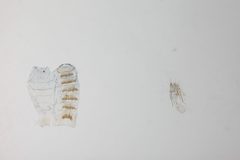
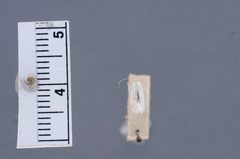

Pronunciation
How to pronounce Coelopoeta: //ˌsɛloʊˈpiːtə//
These audio files are automatically generated. While they are not always 100% accurate, they are a good starting point.
Identification
Coelopoeta are small distinguished by their unusual taxonomic history and restricted western North American distribution. They can be separated from superficially similar gelechioid moths by their specific plant associations: C. glutinosi and C. phaceliae are restricted to Eriodictyon and Phacelia respectively. The is currently defined by morphological characters including mouthpart structure, , and wing venation, though genitalia differs from related .
Images
Habitat
occur in western North American supporting their specific plants. C. glutinosi and C. phaceliae are associated with Eriodictyon and Phacelia vegetation in California, including high elevation areas for the latter. C. maiadella occurs in the Yukon Territory.
Distribution
Western North America, specifically California and the Yukon Territory. Notably absent from intermediate regions including Oregon, Washington, Idaho, and British Columbia despite geographic continuity between the known .
Diet
Larval stages are leaf miners. C. glutinosi larvae mine leaves of Eriodictyon ; C. phaceliae larvae mine leaves of Phacelia species. feeding habits are not documented.
Host Associations
- Eriodictyon - larval C. glutinosi
- Phacelia - larval C. phaceliae
Life Cycle
Larval stage consists of leaf-mining caterpillars that feed internally within plant leaves. and patterns are not documented in available sources.
Behavior
Larvae exhibit endophytic feeding as leaf miners. behavior patterns have not been described.
Ecological Role
As specialized leaf miners, larvae likely function as herbivores on their restricted plant , potentially influencing leaf tissue dynamics in Eriodictyon and Phacelia .
Human Relevance
No documented economic or cultural significance. The is of interest primarily to taxonomists due to its unstable classification history and phylogenetic position within Gelechioidea.
Similar Taxa
- ElachistidaeHistorically classified within this based on morphological characters; distinguished by divergent genitalia and current placement in Pterolonchidae
- OecophoridaeFormerly placed in Oecophorinae by Brown et al. 2004; separated by subsequent phylogenetic analyses supporting Pterolonchidae placement
More Details
Taxonomic instability
Coelopoeta represents a case study in gelechioid phylogenetic uncertainty. The has been assigned to four different -level over a century: Hyponomeutidae (1907), Elachistidae (1920-2011, with Coelopoetinae from 1978), Oecophoridae (2004), and currently Pterolonchidae (2014 cladistic analysis by Heikkilä et al.). The 2011 recognition as family Coelopoetidae by van Nieukerken et al. was superseded by the 2014 analysis.
Species synonymy
C. baldella, described in 1920 from California based on supposed color differences, was synonymized with C. glutinosi by Annette F. Braun in 1948. This synonymy was upheld by Hodges (1983), Kaila (1995), and van Nieukerken et al. (2011) due to morphological identity and shared plants.