
Callima
Clemens, 1860
Species Guides
2- Callima argenticinctella(Orange-headed Callima Moth)
- Callima nathrax
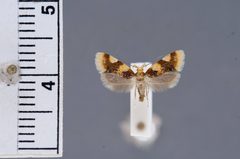
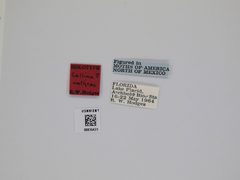
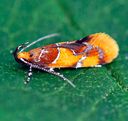
Callima is a of concealer moths in the Oecophoridae, established by Clemens in 1860. The genus includes such as Callima argenticinctella, commonly known as the orange-headed epicallima. These are small that are frequently encountered at blacklight setups during surveys. The genus has been documented from multiple continents including North America and Europe.
Pronunciation
How to pronounce Callima: /kəˈlaɪmə/
These audio files are automatically generated. While they are not always 100% accurate, they are a good starting point.
Identification
Small in this can be distinguished by their distinctive color patterns, including orange or yellowish markings. Callima argenticinctella specifically shows a silvery banding pattern. These moths are typically under 10 mm in length and can be mistaken for leafhoppers or small at blacklight sheets due to their diminutive size. Close examination of wing venation and scaling patterns is required for definitive identification to genus.
Images
Distribution
Documented from Denmark (DK), Vermont in the United States, and other regions of North America. The has a broad distribution with records from both the Palearctic and Nearctic regions.
Seasonality
have been observed during summer months, with records from July in North America. Activity appears to peak during the warmer season.
Behavior
are and attracted to ultraviolet light sources. They are frequently encountered at blacklight sheets during surveys, though their small size makes them easily overlooked among other attracted insects.
Human Relevance
Serves as a subject for citizen science initiatives such as National Week, contributing to biodiversity documentation. The represents part of the 'little stuff'—small moths under 10 mm—that volunteer observers are encouraged to examine closely for maximum diversity records.
Similar Taxa
- StigmellaBoth are small under 10 mm that can appear at blacklight sheets; Stigmella are pygmy leaf-mining moths that may be confused with Callima due to similar size and , but differ in wing pattern and larval .
- AcrolophusTubeworm in this are similar in size and use, appearing at blacklight setups, but differ in wing shape and larval tube-building .
- Leafhoppers (Cicadellidae)Non-lepidopteran insects that are frequently confused with Callima at blacklight sheets due to similar small size and jumping movements; examination reveals hemipteran versus lepidopteran wing structure.